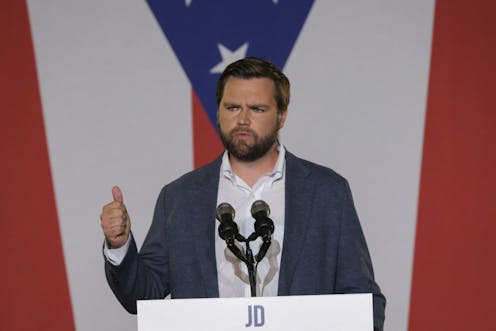
The United States has detected signs that Iran may be attempting to rebuild its nuclear program following U.S.-led strikes on key Iranian nuclear facilities in June, according to Vice President JD Vance. The comments come as U.S. and Iranian officials prepare for high-stakes diplomatic talks in Geneva aimed at addressing ongoing concerns over Tehran’s nuclear ambitions.
Speaking to reporters on Wednesday, Vance reiterated Washington’s firm stance on nuclear nonproliferation, emphasizing that Iran must not be allowed to develop a nuclear weapon. “The principle is very simple: Iran cannot have a nuclear weapon,” he said, underscoring the Biden administration’s continued commitment to preventing nuclear escalation in the Middle East.
The reported efforts by Iran to restore its nuclear capabilities have raised fresh concerns in Washington and among U.S. allies. Intelligence assessments suggesting renewed activity at previously targeted nuclear sites could complicate diplomatic negotiations and heighten tensions in an already volatile region. The U.S.-led strikes in June were intended to disrupt Iran’s nuclear infrastructure and curb its ability to advance uranium enrichment and weapons development.
The upcoming Geneva talks between U.S. and Iranian delegations are expected to focus on nuclear compliance, regional security, and potential pathways to de-escalation. Analysts say the outcome of these discussions could significantly impact U.S.-Iran relations, global energy markets, and broader geopolitical stability.
Iran has consistently maintained that its nuclear program is intended for peaceful purposes, while U.S. officials argue that increased uranium enrichment and restricted international inspections raise serious proliferation risks. As diplomatic efforts resume, the international community will be closely monitoring whether both sides can find common ground or if tensions over Iran’s nuclear program will intensify further.
The situation highlights the fragile balance between military deterrence and diplomacy as the United States seeks to prevent nuclear weapons development while avoiding broader regional conflict.