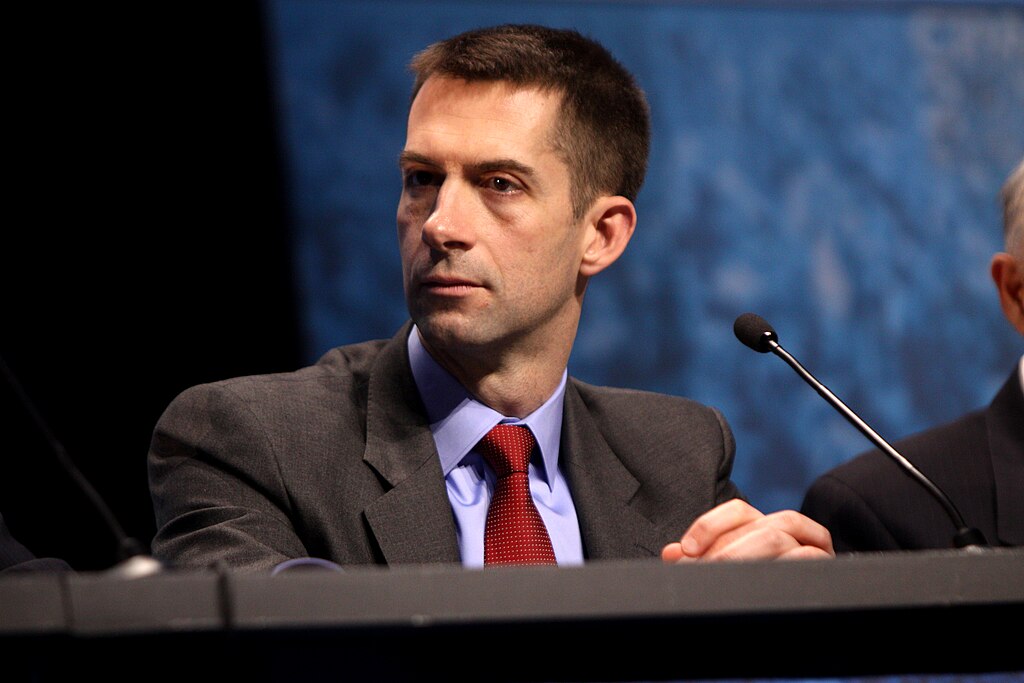
U.S. Senator Tom Cotton (R-AR) has urged the U.S. intelligence community to pause intelligence sharing with Germany’s domestic spy agency following Berlin’s classification of the Alternative for Germany (AfD) party as an "extremist" group. In a letter addressed to Director of National Intelligence Tulsi Gabbard, Cotton warned that shared intelligence could be misused to target the AfD, Germany’s largest opposition party.
Germany’s domestic intelligence service designated the AfD as extremist on May 2, paving the way for increased surveillance. The party called the move anti-democratic and has taken legal action. Cotton argued that intelligence cooperation should be suspended until Berlin recognizes the AfD as a legitimate political entity. He also requested a review into whether the U.S. under President Joe Biden assisted in surveilling the AfD or other German opposition parties.
The letter aligns with growing support for the AfD from figures in Donald Trump’s circle. Secretary of State and National Security Adviser Marco Rubio called on Germany to reverse the extremist label, while Vice President JD Vance criticized German officials for allegedly seeking to dismantle the AfD. Billionaire Elon Musk, a vocal Trump supporter, previously endorsed the AfD and cautioned against banning it ahead of Germany’s elections.
The German embassy in Washington and Gabbard’s office did not immediately respond to requests for comment. New German Chancellor Friedrich Merz has pushed back against U.S. involvement in Germany’s domestic political matters, warning Washington to refrain from interference.
This latest development underscores the deepening ideological divide between Washington’s Trump-aligned leadership and European governments, especially on issues related to nationalism and far-right politics. The situation could strain transatlantic intelligence cooperation amid broader geopolitical tensions.