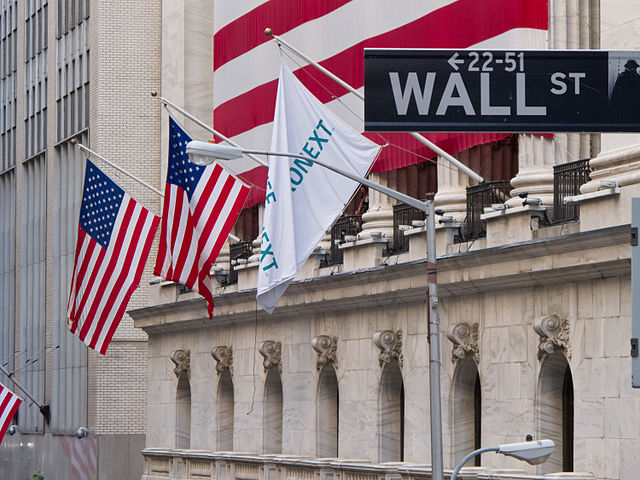
U.S. stock futures moved slightly lower on Sunday night, easing after a week of solid gains as investors assessed rising expectations for a potential Federal Reserve rate cut in December and uncertainty surrounding the next Fed chair. By 19:37 ET (00:37 GMT), S&P 500 futures were down 0.3% to 6,838.25, while Nasdaq 100 futures slipped 0.4% to 25,380.25. Dow Jones futures dipped 0.2% to 47,644.0.
The cautious start to the week follows a strong performance on Wall Street, where major indexes advanced on optimism around monetary policy. The S&P 500 gained 3.7% last week, the Nasdaq Composite surged nearly 5%, and the Dow Jones Industrial Average climbed more than 3%, supported by strong interest in technology and retail stocks.
Market sentiment has shifted notably in recent days as traders increase their bets on a December rate cut. The probability of a quarter-point cut has jumped to roughly 85%, up from the mid-40% range just a week earlier. Expectations strengthened after several Fed officials signaled openness to easing monetary policy, including comments from the New York Fed President and a Fed governor who suggested conditions could soon justify lowering rates. Still, the outlook remains uncertain due to limited new economic data ahead of the next policy meeting.
Adding to the market’s cautious tone, investors are closely watching developments surrounding the selection of the next Federal Reserve chair. President Donald Trump said Sunday that he has chosen his preferred candidate to replace Jerome Powell, emphasizing that the nominee will be expected to support interest-rate cuts. Reports indicate that the shortlist may include Kevin Hassett, former governor Kevin Warsh, and current Fed governor Christopher Waller. A leadership change favoring a more dovish stance could further boost confidence in looser monetary policy and potentially lift rate-sensitive sectors, particularly growth and retail stocks.