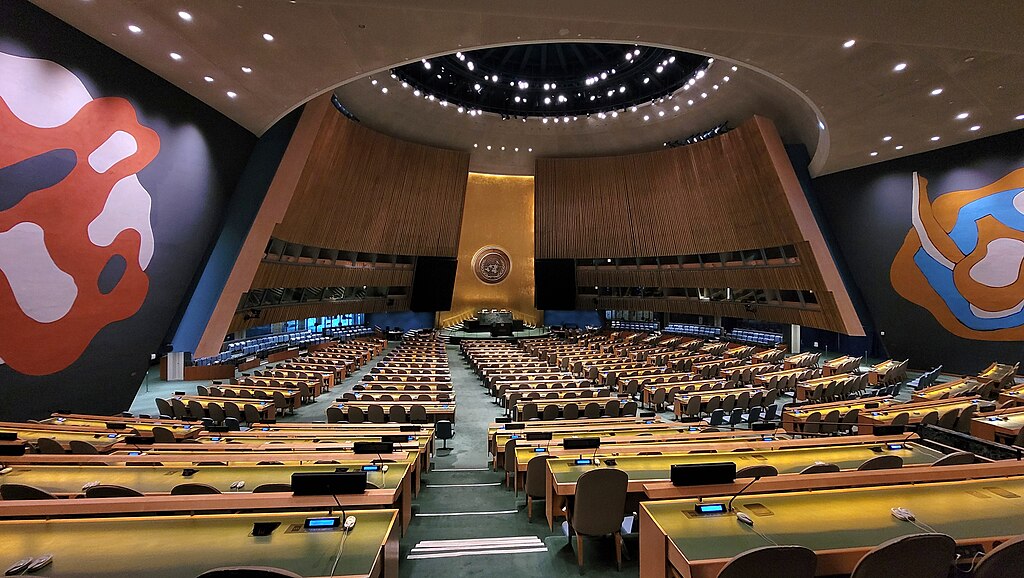
The United States told the U.N. Security Council that its recent airstrikes on Iranian nuclear facilities achieved their goal of degrading Iran’s capacity to develop a nuclear weapon. Acting U.S. envoy Dorothy Shea said the strikes were carried out under the U.N. Charter’s collective self-defense clause and aimed to reduce the threat posed by Iran to Israel and global peace.
President Donald Trump declared the weekend strikes “completely obliterated” Iran’s key enrichment sites and announced a ceasefire between Iran and Israel. However, a preliminary U.S. intelligence assessment suggests the strikes may have delayed Iran’s nuclear program by only a few months.
Israel’s U.N. Ambassador Danny Danon said the attacks successfully neutralized an imminent threat. Meanwhile, Iran’s U.N. Ambassador Amir Saeid Iravani condemned the airstrikes as “criminal aggression” and reiterated Iran’s claim that its nuclear program is for peaceful purposes. He emphasized diplomacy as the only viable path forward.
The Security Council convened to assess the status of the 2015 Iran nuclear deal, which lifted sanctions in return for nuclear restrictions. Trump withdrew from the agreement in 2018, reinstating U.S. sanctions, prompting Iran to scale back its commitments.
U.N. political chief Rosemary DiCarlo expressed disappointment over the lack of progress in fulfilling the deal’s objectives. Indirect U.S.-Iran negotiations had resumed in April but were halted after Israel began targeting Iran’s nuclear and missile sites on June 13.
Russia’s U.N. Ambassador Vassily Nebenzia criticized Western narratives, citing IAEA reports. The agency has not confirmed Iran’s program is entirely peaceful but found no evidence of a coordinated weapons effort.
The situation underscores deep divisions within the international community over Iran’s nuclear ambitions and the path toward long-term regional stability.