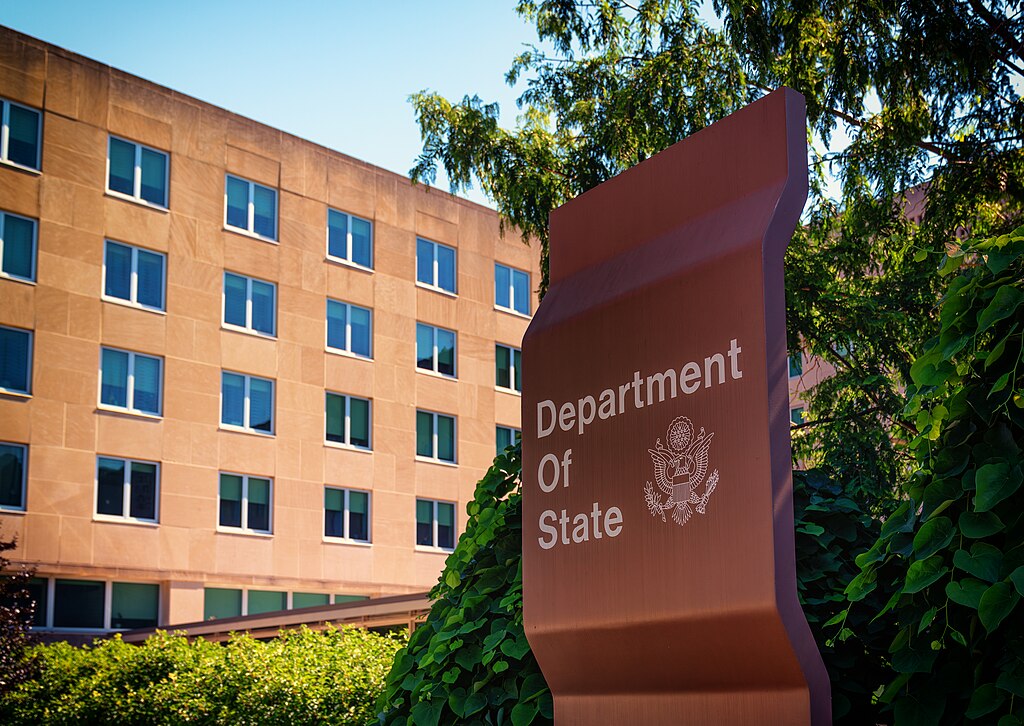
The Trump administration has revoked Iraq’s waiver to pay Iran for electricity, intensifying its "maximum pressure" campaign against Tehran. A State Department spokesperson stated that the decision prevents Iran from gaining financial relief, reinforcing efforts to curb its nuclear ambitions, ballistic missile program, and support for militant groups.
Trump reinstated his hardline stance on Iran after returning to office in January, having previously withdrawn the U.S. from the Iran nuclear deal. Washington aims to isolate Iran economically and cut its oil revenues to hinder its nuclear development, though Tehran insists its program is peaceful. The U.S. has imposed sweeping sanctions, restricting global business with Iran.
National Security spokesperson James Hewitt emphasized that Iran must abandon its nuclear ambitions or face continued pressure. The administration also called on Iraq to end its reliance on Iranian electricity, labeling Iran an unreliable energy supplier.
The waiver’s removal adds pressure on Baghdad to advance negotiations with its Kurdish region on oil exports via Turkey, aligning with U.S. goals to stabilize global energy markets and curb Iranian oil sales. The talks, however, remain contentious.
The U.S. sees Iraq’s energy transition as an opportunity for American companies to modernize Iraq’s power infrastructure. The State Department noted that Iran’s electricity exports accounted for just 4% of Iraq’s energy consumption in 2023, downplaying the impact of the waiver’s expiration.
As tensions rise, Iraq faces mounting pressure to secure alternative energy sources while navigating U.S. demands and regional dynamics.