


 US Alcohol Ban Exposes Canada’s Internal Trade Barriers
  Asian Currencies Weaken as Dollar, Oil Prices Rise
  Polymarket Traders Bet on Trump AI Rename to ‘Super Intelligence’
  BOJ Set for Rate Hike as Inflation and Yen Pressure Mount
  Oil Prices Jump Nearly 3% as Iran Holds Firm on Hormuz Conditions
  XRP Price Targets $1.70 as Bullish Momentum Builds
  BlackRock’s Rick Rieder Favors Bonds Over Stocks as Treasury Yields Surge
  Japanese Yen Retreats as Dollar Rises Ahead of Fed, BOJ Rate Decisions
  Judge Blocks Trump Election Conditions on Counterterrorism Grants
  RBA Hikes Interest Rate to 4.60% as Inflation Risks Rise
  UN Extends Haiti Security Force Mandate Ahead of Elections
  RBA Says ASX Still Falls Short on Governance and Risk Controls
  Trump Eyes $54 Billion South Korean Investment in Alaska LNG


 Add as a preferred source on Google
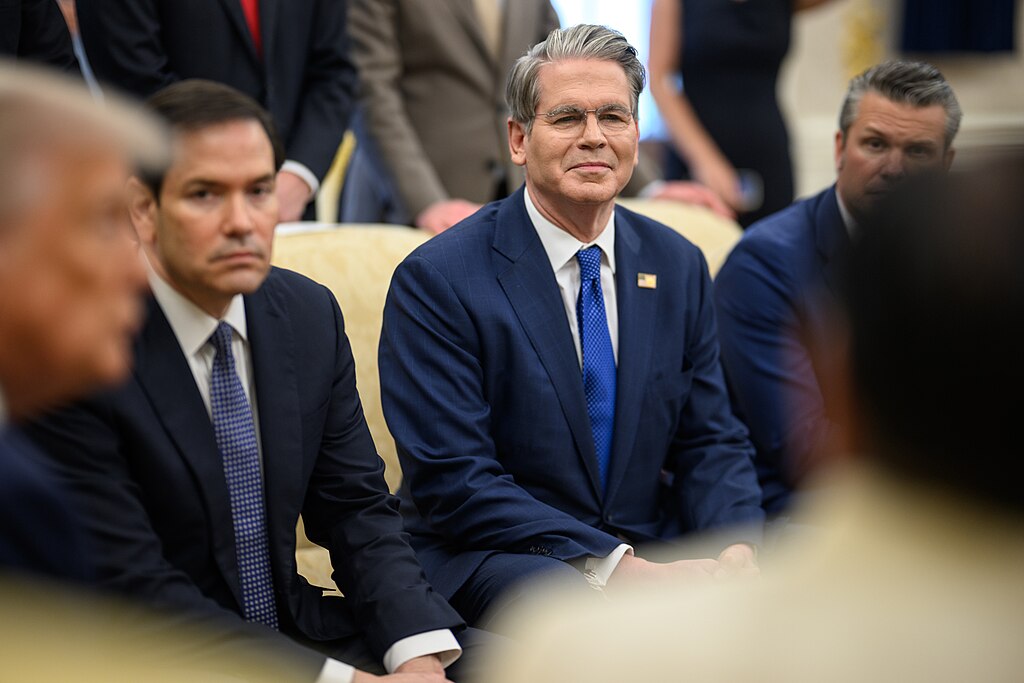
U.S. Treasury Secretary Scott Bessent has emphasized the importance of clear and well-communicated monetary policy during a recent meeting with Japanese Finance Minister Satsuki Katayama, as concerns grow over sharp movements in the Japanese yen. According to a statement released by the U.S. Treasury Department on Wednesday, Bessent highlighted the “inherent undesirability of excess exchange rate volatility,” underscoring the need for sound policy formulation and communication to stabilize currency markets.
The comments come at a time when global financial markets are closely watching Japan for possible currency intervention. Earlier this week, the yen weakened to its lowest level in 18 months, fueling speculation that Japanese authorities could step in to halt its downward trend. The yen showed signs of recovery on Wednesday after Katayama issued another strong verbal warning, stating that officials would take “appropriate action against excessive currency moves without excluding any options.”
Following those remarks, the yen strengthened by 0.43% against the U.S. dollar, trading at 158.46 per dollar. Earlier in the session, it had touched 159.45, its weakest level since July 2024. After meeting Bessent in Washington, Katayama said both sides shared concerns about what she described as the yen’s “one-sided depreciation,” signaling alignment between the two governments on the risks posed by rapid currency swings.
Bessent has consistently argued that Japan’s weak yen is best addressed through tighter monetary policy rather than direct market intervention. He has previously called on the Japanese government, led by Prime Minister Sanae Takaichi, to allow the Bank of Japan (BOJ) to raise interest rates more aggressively. Takaichi is known as a supporter of accommodative monetary policy, which has contributed to prolonged yen weakness.
In December, the BOJ raised its benchmark interest rate to 0.75% from 0.5%, citing progress toward its long-standing 2% inflation target. However, critics argue that the gradual pace of rate hikes has failed to stem yen depreciation. While a weaker yen benefits exporters, it also increases import costs, placing additional pressure on Japanese households and the broader economy.







