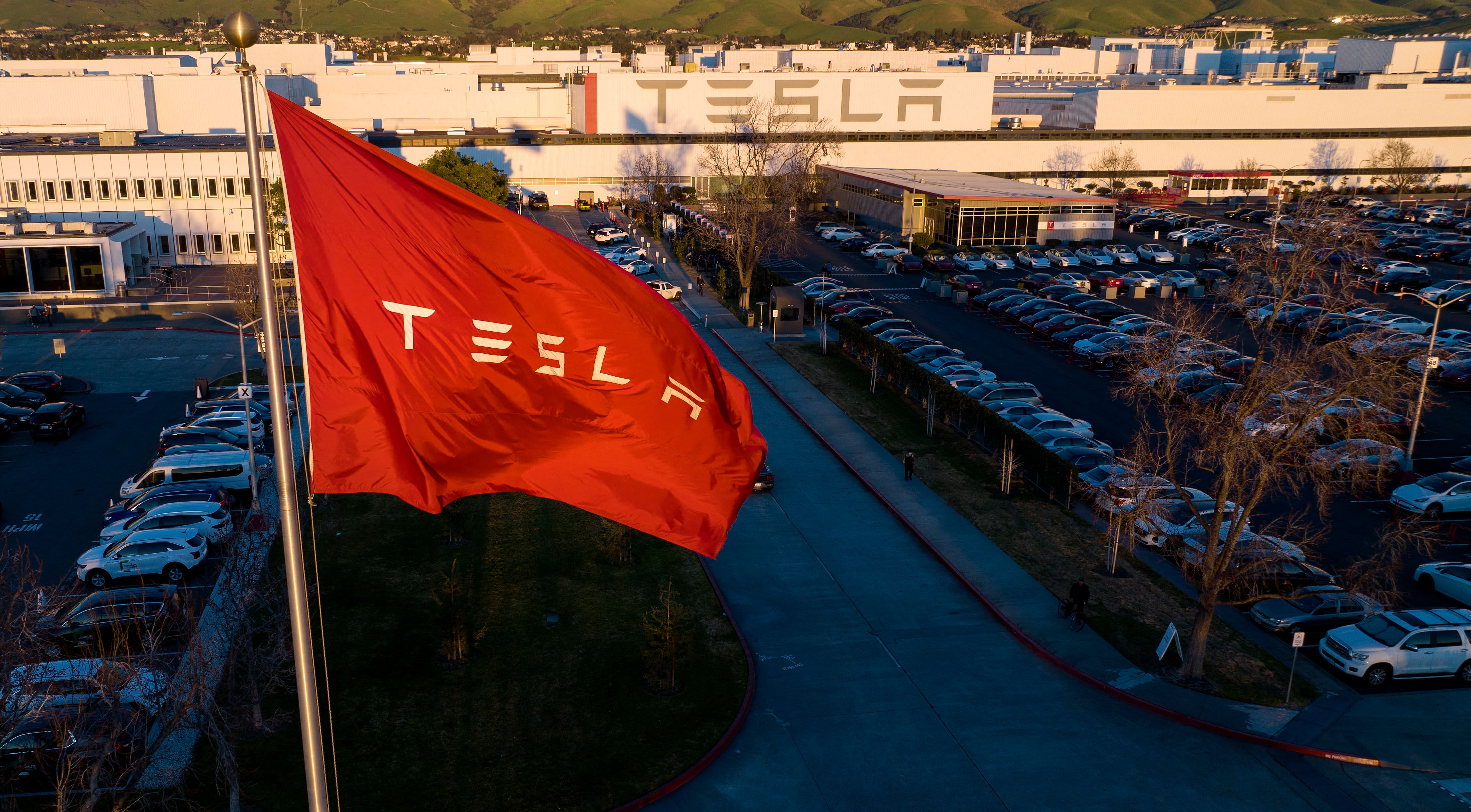
The National Labor Relations Board (NLRB) ruled that it was unlawful for Tesla to prohibit employees from wearing shirts bearing a union insignia.
In a 3-2 decision on a 2017 dispute between Tesla and the United Automobile Workers (UAW) union, the NLRB said that companies interfering with employees' rights to display union insignia have the burden of establishing special circumstances justifying it.
The majority found that the electric car maker failed to establish those special circumstances in this case.
NLRB Chair Lauren McFerran said the decision reaffirms the presumptive unlawfulness of any attempt to restrict the wearing of union clothing or insignia.
A Supreme Court precedent mandates a heightened burden for an employer to justify attempts to limit this right.
Consequently, the NLRB ordered Tesla to rescind its policy prohibiting employees from wearing black union shirts.
Global PC Makers Eye Chinese Memory Chip Suppliers Amid Ongoing Supply Crunch
Rio Tinto Shares Hit Record High After Ending Glencore Merger Talks
Every generation thinks they had it the toughest, but for Gen Z, they’re probably right
Washington Post Publisher Will Lewis Steps Down After Layoffs
Asian Markets Surge as Japan Election, Fed Rate Cut Bets, and Tech Rally Lift Global Sentiment
Supreme Court Signals Doubts Over Trump’s Bid to Fire Fed Governor Lisa Cook
Lee Seung-heon Signals Caution on Rate Hikes, Supports Higher Property Taxes to Cool Korea’s Housing Market
6 simple questions to tell if a ‘finfluencer’ is more flash than cash
Indian Refiners Scale Back Russian Oil Imports as U.S.-India Trade Deal Advances
Meta Faces Lawsuit Over Alleged Approval of AI Chatbots Allowing Sexual Interactions With Minors
Trump Administration Appeals Court Order to Release Hudson Tunnel Project Funding
Gold and Silver Prices Climb in Asian Trade as Markets Eye Key U.S. Economic Data
Oil Prices Slip as U.S.-Iran Talks Ease Middle East Tensions
Asian Stocks Slip as Tech Rout Deepens, Japan Steadies Ahead of Election
DBS Expects Slight Dip in 2026 Net Profit After Q4 Earnings Miss on Lower Interest Margins 


