The United States reportedly briefed foreign diplomats from 40 countries in Washington and in Beijing about the Chinese spy balloon that flew over American airspace over the weekend. The incident sparked outrage in Washington amidst already strained relations with China.
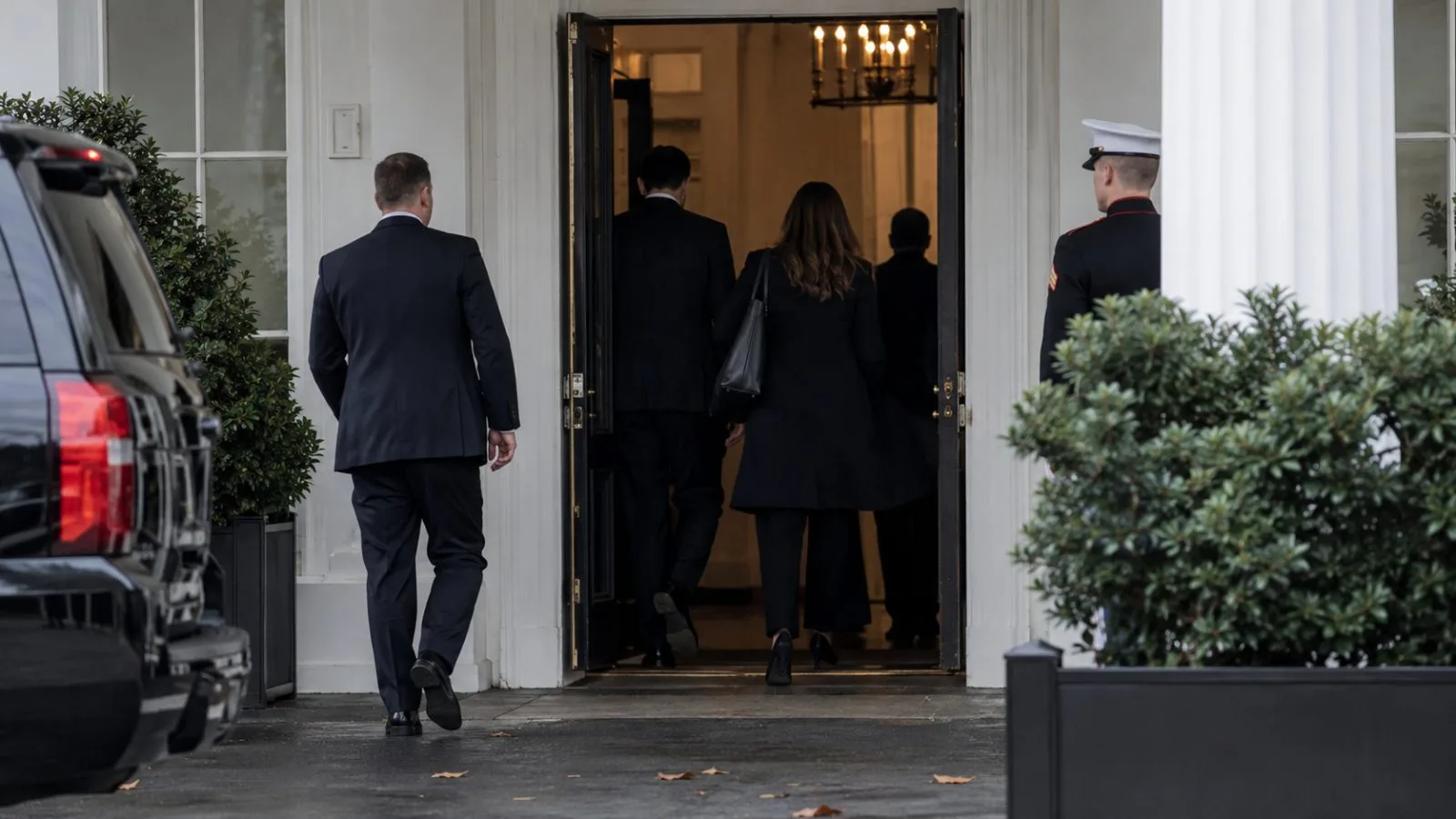
A senior Biden administration official and diplomats said Tuesday that US deputy secretary of state Wendy Sherman briefed nearly 150 foreign diplomats on Monday across 40 embassies. The official said that the US embassy in China gathered foreign diplomats on Monday and Tuesday to present Washington’s findings over the incident.
“We want to make sure that we are sharing as much as we can with countries around the world who may also be susceptible to these types of operations,” said the administration official. Washington also sent the information to US missions around the world to share with allies and partners.
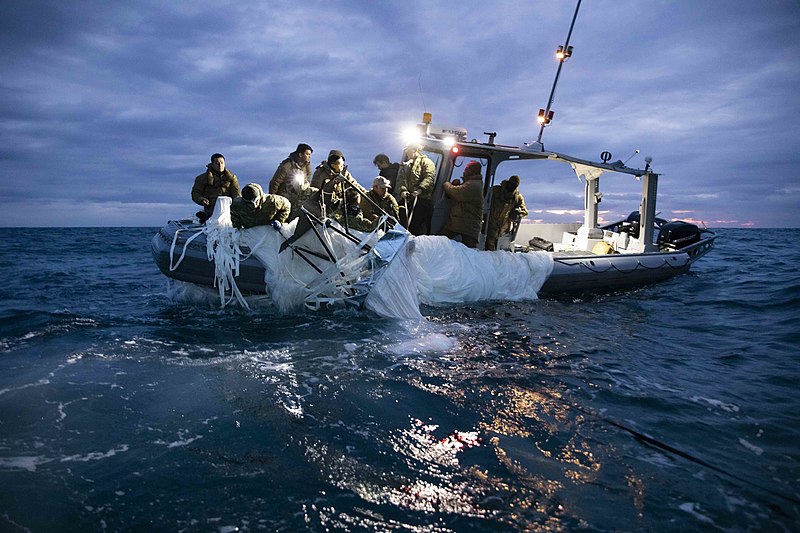
During the briefings in China, the US presented information that detailed that the balloon was not a weather balloon as Beijing claimed, but an airship used for espionage. Washington said the balloon was controlled by the Chinese military.
Diplomats at the Beijing briefing said they were informed that the solar panels found on the balloon indicated that it needed more power compared to a weather balloon and its flight path was not in line with natural wind patterns. US officials said the balloon was equipped with rudders and propellers.
“Based on the US briefing, our own understanding about such balloons and the fact that China has so far refused to name the company or entity that owns this balloon, we find it hard to believe it is a civilian weather balloon,” said a Beijing-based Asian defense diplomat.
A senior State Department official said on Thursday that Washington may consider taking action against entities linked to the People’s Liberation Army that supported the flight of the balloon. The official said the US is confident that the manufacturer of the balloon has a “direct relationship” with the Chinese military.
White House press secretary Karine Jean-Pierre echoed the possibility of the US taking action, but added that the government has not detailed what actions are being considered.