US consumer spending rose 1.4 percent in September, surpassing analysts' expectations of a 1 percent increase, but decreasing benefits for the unemployed, cooling temperatures and a COVID-19 resurgence could cut spending in the fourth quarter.
The gain in September marked the fifth straight monthly increase in consumer spending since the pandemic flattened the economy.
Consumer spending, which accounts for over two-thirds of US economic activity, jumped by 1 percent in August.
Personal income shot up by 0.9 percent in the month, exceeding expectations of a 0.4 percent hike. Income dropped 2.5 percent in incomes in August.
The economy would weaken if consumers, who drive two-thirds of economic activity, start cutting back on spending.
Coronavirus cases are increasing and the stimulus aid enacted by Congress in the spring for laid-workers, individuals, businesses have expired.
Gregory Daco, chief economist at Oxford Economics, said the prospect for sustained spending is "much grimmer" due to the absence of a fiscal stimulus package that would lead to slower employment gains becoming insufficient in preventing incomes from falling below pre-Covid levels.
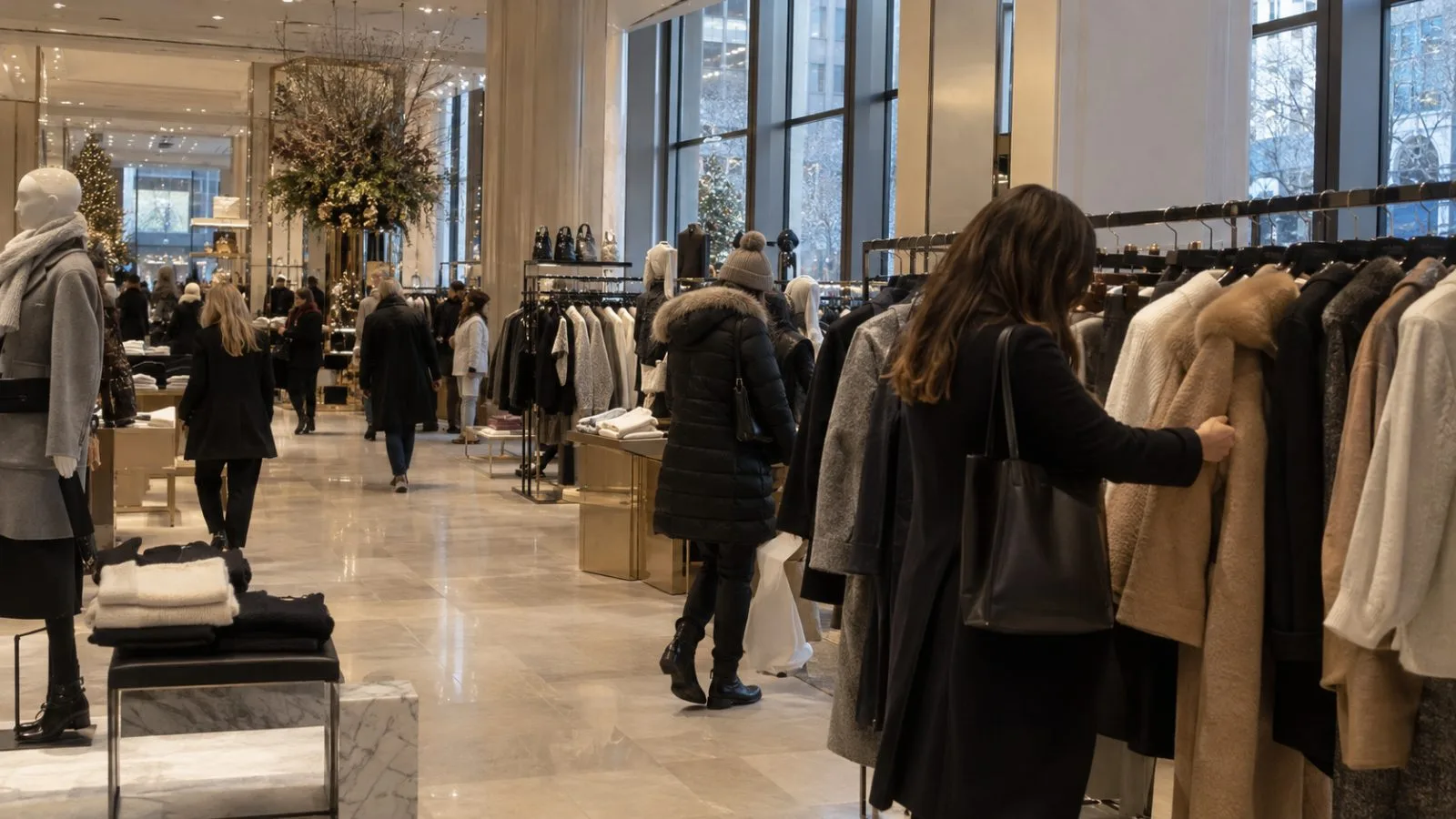
Consumer spending on durable goods such as autos jumped 3 percent in September, while those on nondurable goods, such as food and clothing, had a smaller 1.5 percent gain.
By contrast, spending on services rose by 1 percent.
Since the start of the pandemic, Americans have been spending freely on goods while cutting back sharply on the purchase of services, which make up the bulk of the economy.