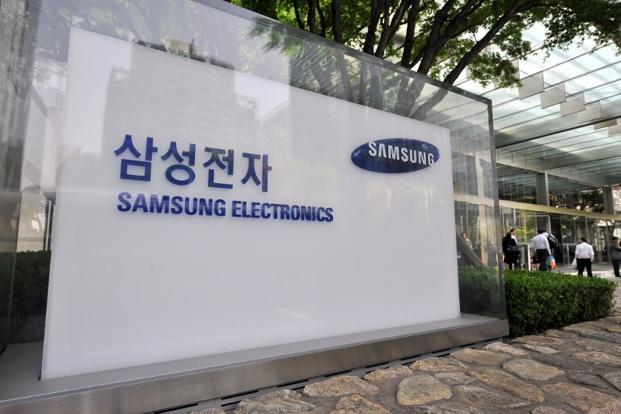
US restrictions against Huawei Technologies Co. are adversely impacting South Korean firms, which exports chips to China.
South Korea’s two biggest exporters, Samsung Electronics Co. and SK Hynix Inc. use US-made equipment while trading with Huawei and other Chinese firms.
Samsung earned almost 20 percent of its revenue from China in the latest quarter, while Hynix generated nearly 40 percent.
According to the Korea Institute for Industrial Economics & Trade analyst Kim Yang-paeng, US restrictions on Huawei can result in smaller Chinese tech exports containing South Korean semiconductors.
South Korea’s largest single export category is the chips, worth $94 billion last year, or 17 percent of its total exports.
China is also South Korea’s biggest trading partner.
Huawei is a major buyer of South Korean chips and was expected to buy over $10 billion from South Korea in 2019.
Nonetheless, Huawei’s decline may prove beneficial for some South Korean sectors such as smartphones, where Samsung is competing for the top spot globally.

Asian Currencies Hold Steady as Trump's Iran Deadline Rattles Markets
Energy Prices and Dollar Climb as U.S.-Iran Conflict Grips Global Markets
U.S. Stock Futures Surge as Trump Announces Iran Ceasefire, Oil Prices Plunge
Oil Prices Crash Nearly 15% After Trump-Iran Ceasefire Deal
China's Fermented Feed Push: Cutting Soybean Dependence Amid Trade War
U.S. Stock Futures Surge as Trump Postpones Iran Strikes, Ceasefire Hopes Rise
Asian Markets Hold Steady Ahead of Trump's Iran Deadline as Oil Tops $110
U.S.-Iran Ceasefire: Fragile Truce Raises Hopes for Strait of Hormuz Peace Deal
Asian Stocks Surge as U.S.-Iran Ceasefire Deal and Samsung Earnings Boost Market Confidence
India's Central Bank Holds Rates Amid Iran War Energy Shock
Italy's Service Sector Contracts for First Time in 16 Months Amid Rising Costs and Weakening Demand
Asian Currencies Rally as Dollar Weakens, Trump-Iran Ceasefire Boosts Risk Sentiment
Gold Prices Surge to Three-Week High as Trump-Iran Ceasefire Weakens Dollar
Sterling Slides as Dollar Holds Firm Amid U.S.-Iran Tensions
RBNZ Holds Rates at 2.25% as Middle East Conflict Fuels Inflation Concerns
U.S. Futures Slip as Iran Rejects Ceasefire and Trump Deadline Looms 


