Global leaders, lawmakers, and even members of Donald Trump's own Republican Party pushed back sharply after the U.S. president issued a sweeping threat suggesting an entire civilization could be destroyed unless Iran agreed to his terms — before ultimately announcing a two-week ceasefire deal just hours later.
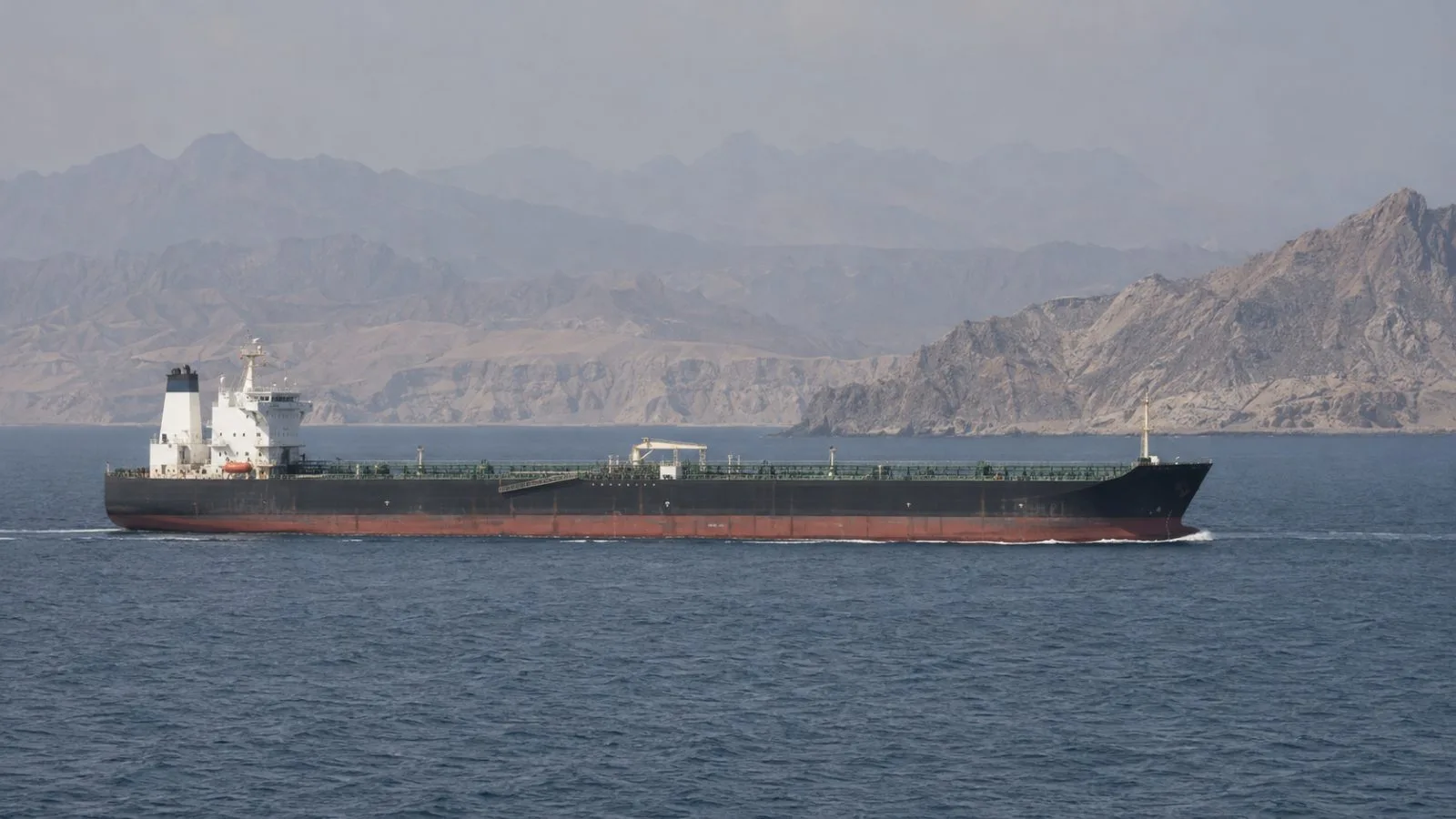
Early Tuesday morning, Trump posted an ominous warning online, suggesting a whole civilization faced destruction by nightfall if Iran refused to negotiate. He had set an 8 p.m. ET deadline, but at 6:32 p.m., he announced both sides had reached a temporary ceasefire agreement, contingent on Iran pausing its blockade of the Strait of Hormuz — a vital artery for global oil and gas shipments that Tehran had shut down following U.S.-Israeli military strikes.
Trump's central demands included Iran reopening the strait and cutting ties with militant proxy groups across the Middle East. He warned that American forces were prepared to strike Iranian bridges and power plants if compliance was not reached, a position that drew criticism from international law experts who argued such targets are primarily civilian infrastructure.
White House insiders, speaking anonymously, described the alarming language as a deliberate negotiation strategy. One official characterized it as creating leverage through unpredictability, with the goal of pressuring Tehran into concessions. Several aides reportedly helped craft the message, though the most extreme language originated with Trump himself.
Critics were swift and bipartisan. Democratic leaders called the rhetoric unconscionable and dangerous to U.S. troops abroad. Pope Leo condemned threats against Iranian civilians as unacceptable. Even longtime Trump ally Marjorie Taylor Greene called his words evil, while Senator Lisa Murkowski urged immediate de-escalation. Tucker Carlson also publicly denounced the inflammatory messaging.
Despite widespread concern, many Republican officials defended the approach, framing it as strong presidential leadership during a volatile and economically sensitive conflict.