The US expressed its gratitude to Taiwan for helping resolve a chip shortage that has snarled auto production, said Taiwan Economy Minister Wang Mei-hua.
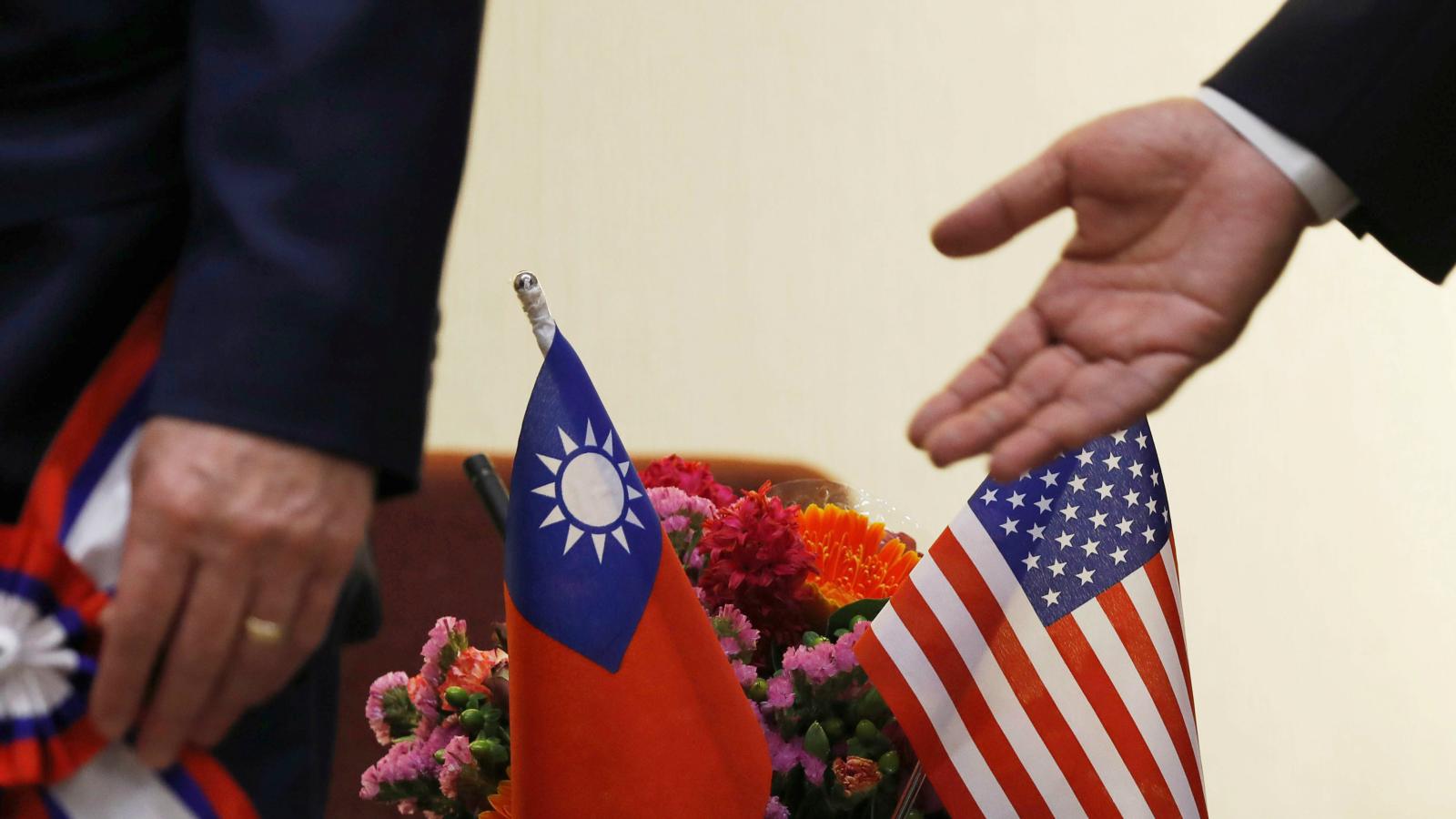
It transpired during a high-level closed-door meeting attended by the Taiwan minister and “very senior US officials.”
Senior executives from companies like Taiwan Semiconductor Manufacturing Co Ltd (TSMC) and Qualcomm Inc. were in attendance during the event, which was the first announced high-level exchange between the Biden administration and Taiwan.
Taiwan is home to tech firms such as TSMC, the world’s largest contract chipmaker.
Wang emphasized that the talks' focus of talks was not on auto chips and prioritizing their production was not brought up.
Among those discussed was TSMC's plan to put up a $12 billion plant in the state of Arizona.
As chip shortages have caused car factories worldwide to shut assembly lines, Taiwan has become the forefront of efforts to resolve the problem.
The auto chip shortage has affected Ford Motor Co, Toyota Motor Corp, Nissan Motor Co Ltd, Volkswagen AG, Subaru Corp, Fiat Chrysler, and other carmakers.