


 Trump Sanctions International Criminal Court, Sparking EU Backlash
  US Judge Blocks Trump Administration’s Taxpayer-Funded Political Ads
  Ripple Chairman Chris Larsen Donates $22.5 Million Ahead of US Midterms
  Zelenskiy Slams US Over Deadly Russian Strikes on Ukraine
  Flydubai Co-Pilot Planned Suicide Attack on Israel Airport, UAE Says
  UK Finance Minister Healey Calls for Fiscal Discipline Amid Global Risks
  Trump Cancels Alabama Football Trip as Hurricane Isaias Approaches
  Trump Announces Russia-Ukraine Energy Ceasefire as Zelenskiy Awaits Details
  Mahmoud Abbas Postpones Palestinian Elections to September 2027
  Trump Secures Russian Diesel Deal as US Fuel Prices Surge
  Houthis Warn Saudi Airports After Deadly Riyadh Attack
  North Korea Fires Ballistic Missiles as Tensions With South Korea Escalate
  US Charges Maduro and Wife With Torture Conspiracy
  Russian Strikes Kill Six in Ukraine, Including Three in Kharkiv
  Trump Announces Russia-Ukraine Energy Ceasefire Amid U.S. Pressure on Kyiv
  Yandex Data Center Hit by Drone Strike as Russia-Ukraine Cyber Infrastructure Attacks Escalate


 Add as a preferred source on Google
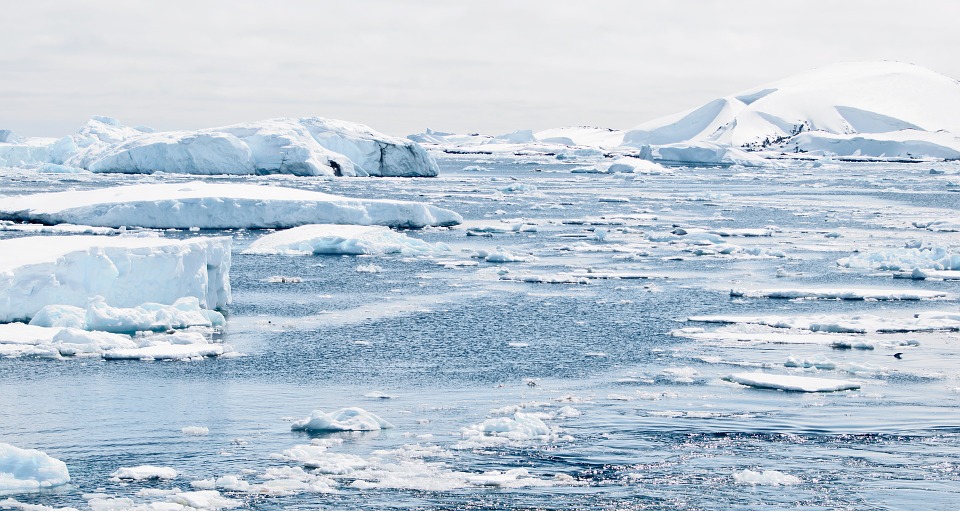
The United States is set to appoint an ambassador for the Arctic region. The move to appoint an envoy comes amidst Russia and China’s ambitions in the area.
The US State Department said Washington intends to appoint an ambassador-at-large for the Arctic region, highlighting the region’s strategic importance. The move to appoint an ambassador comes amidst NATO’s report of Russia’s reopening of old Soviet sites in the Arctic region, as well as China’s plans to build a “polar silk road.”
“An Arctic region that is peaceful, stable, prosperous, and cooperative is of critical strategic importance to the United States,” said the department.
“As one of eight Arctic nations, the United States has long been committed to protecting our national security and economic interests in the region, combating climate change, fostering sustainable development and investment, and promoting cooperation with Arctic states, Allies, and partners,” said the department.
Aside from the United States, Canada, Finland, Sweden, Norway, Denmark, Iceland, and Russia, make up the Arctic nations.
Friday last week, NATO chief Jens Stoltenberg said Russia reopened its Soviet-era military sites in the region, following his visit to the Arctic. Stoltenberg said Russian capabilities in the Arctic would pose a strategic challenge to the alliance.
Aside from Russia, China is also seeking to pursue the Arctic region, with Beijing having said it plans to establish a “Polar Silk Road” as well as eyeing the mineral resources and new shipping routes in the area.
Washington has yet to announce who would President Joe Biden nominate to be the Arctic ambassador.
A US judge Saturday ruled that the families of the victims of the 9/11 attacks are not entitled to seize the billions of dollars of assets that belong to the Afghanistan central bank as compensation. Around $7 billion of assets are currently held in the United States.
US Magistrate Judge Sarah Netburn in Manhattan said Friday that the Afghanistan Central Bank was immune from its jurisdiction.
The judge added that only the president could allow the seizures of the bank’s assets, which would also result in recognizing the Taliban as Afghanistan’s legitimate government.
“The Taliban’s victims have fought for years for justice, accountability, and compensation. They are entitled no less,” said the judge in her ruling. “But the law limits what compensation the court may authorize, and those limits put the DAB’s assets beyond its authority.”







