


 Australia Tightens Student Visa Rules, Targets Migration Cut by 2028
  North Korea Vows to Expand Nuclear Arsenal Amid U.S.-Led Military Buildup
  Trump Eyes End to Iran War, Plans Gulf Leaders Meeting
  Pentagon Restarts Testosterone Testing for US Troops
  Australia Plans New Rules Giving Users Control Over Social Media Feeds
  US-China Experts Push AI Nuclear Safeguards to Prevent Military Escalation
  Synthetic data could ease people’s concerns about privacy breaches. But who gets to create it?
  Japan, U.S. Discuss $19 Billion GlobalFoundries Chip Plant
  France Urges Faster AI Push Despite Safety Risks
  US Confirms Weapons in Orbit as Space Tensions Rise
  South Korea’s Lee Rules Out Military Role in Middle East War
  US Judge Dismisses Imran Ahmed Deportation Lawsuit
  Texas Republicans Turn Against AI Data Centers as Election Backlash Grows
  Guterres Urges Stronger Global AI Safeguards Ahead of UN Assembly
  FDA Weighs Safety Standards for Psychedelic Therapies
  US Delegation Visits Myanmar, Secures Release of American Adam Castillo


 Add as a preferred source on Google
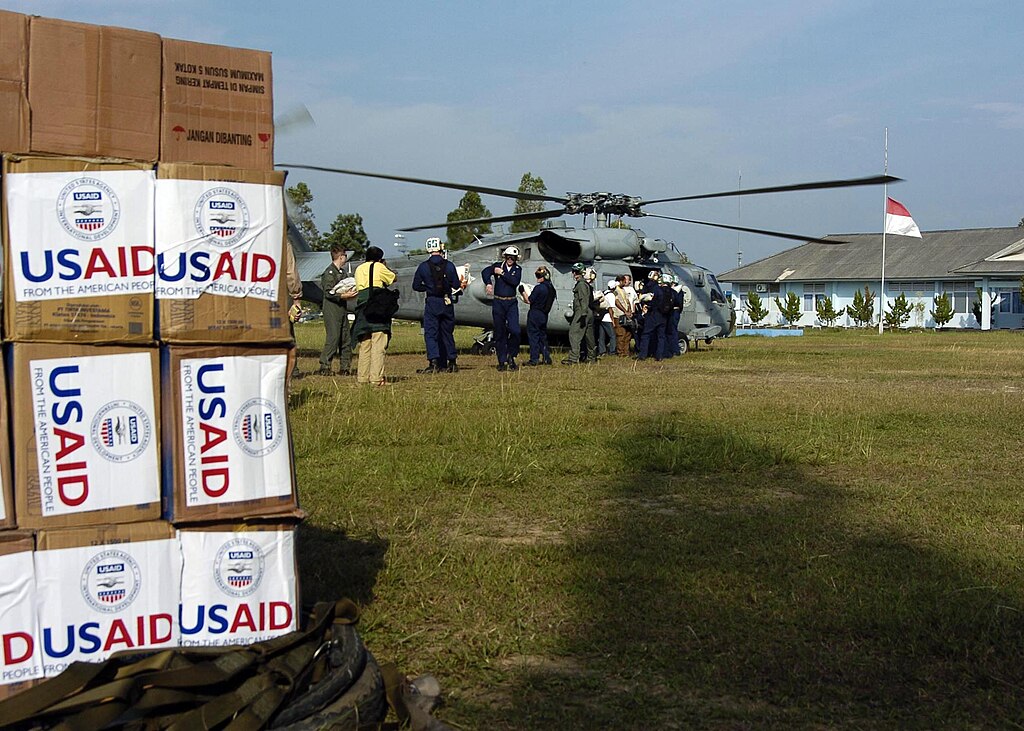
Deep funding cuts to the U.S. Agency for International Development (USAID) could result in over 14 million additional deaths by 2030, according to a new study published in The Lancet medical journal. The research underscores the global health impact of aid reductions initiated under President Donald Trump’s administration, which has targeted USAID as part of broader efforts to reduce what it calls “wasteful spending.”
The study highlights that USAID-funded health programs have played a crucial role in saving lives in low and middle-income countries, especially in Africa. Over the past two decades, these initiatives have helped prevent more than 91 million deaths globally, including 30 million children. However, projections suggest that dismantling the agency and continuing cuts could lead to 14 million additional deaths by 2030—4.5 million of which would be children under five.
The Trump administration has already slashed over 80% of USAID programs, consolidating the remainder under the U.S. State Department. Critics argue this reorganization undermines the effectiveness and independence of global aid delivery. Despite being the world’s largest humanitarian donor, providing $61 billion in foreign assistance in 2024—with over half channeled through USAID—Washington’s abrupt shift in strategy threatens decades of global health progress.
The study issues a dire warning: “Unless the abrupt funding cuts announced and implemented in the first half of 2025 are reversed, a staggering number of avoidable deaths could occur by 2030.” Human rights advocates stress that these cuts disproportionately affect the world’s most vulnerable populations and could reverse vital gains in child mortality, disease control, and healthcare infrastructure.
This dramatic rollback in foreign aid raises ethical and strategic concerns, with researchers calling for urgent policy reconsideration to avoid a global humanitarian crisis.







