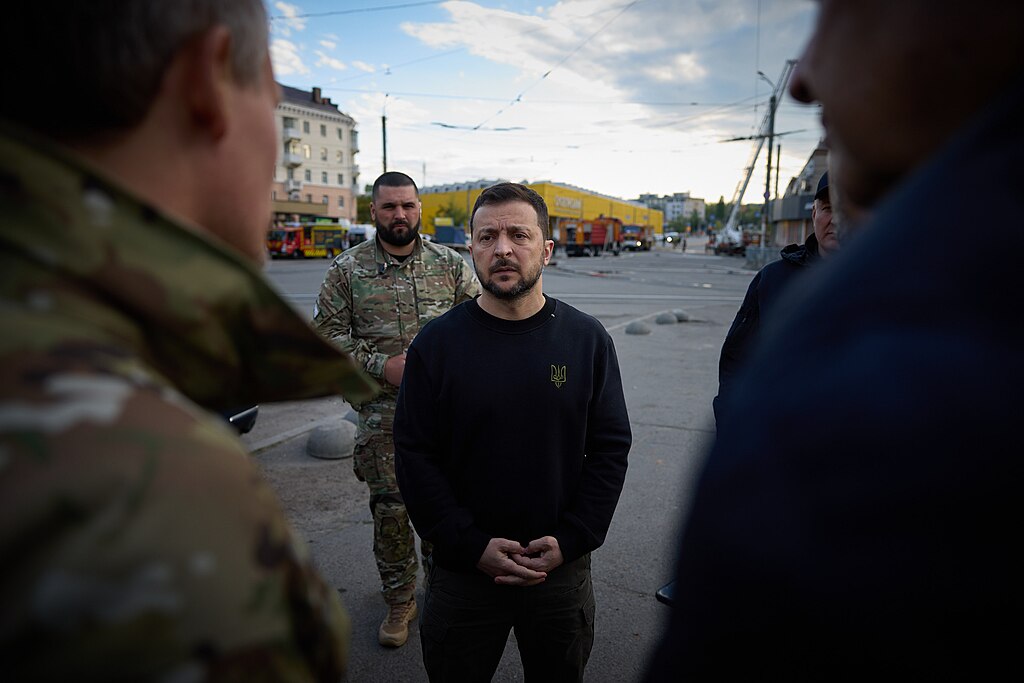
Ukrainian President Volodymyr Zelenskiy revealed on Monday that several of Kyiv's Western allies have quietly urged Ukraine to scale back its long-range strikes targeting Russia's oil and energy infrastructure. The request comes as a catastrophic global energy crisis — triggered largely by the ongoing U.S.-Israeli conflict with Iran — has sent oil, gas, and fuel prices to historic highs.
Zelenskiy, speaking to journalists via WhatsApp, confirmed that Ukraine has received these diplomatic signals and indicated a willingness to cooperate, but only under one condition: Russia must first stop its relentless attacks on Ukrainian energy infrastructure. He also expressed openness to an Easter ceasefire, signaling a cautious but notable shift in Ukraine's wartime posture.
A source with knowledge of the discussions confirmed that U.S. officials communicated this message to Ukrainian counterparts during routine diplomatic exchanges, adding that the original signals reportedly originated from Moscow. Neither the U.S. State Department nor the Russian embassy offered immediate comment.
The energy crisis has placed Ukraine in an increasingly difficult position. Russian strikes have already severely damaged Ukraine's power grid, leaving the country scrambling to secure alternative fuel and electricity sources. Meanwhile, global anti-missile defense systems are being redirected to the Middle East, leaving Ukraine with reduced access to critical air defense supplies.
To address these challenges, Zelenskiy undertook a four-day Middle East tour, returning with several key agreements. Ukraine secured a year-long diesel supply deal — essential for both its military operations and agricultural sector — along with framework cooperation agreements signed with Saudi Arabia and Qatar, and a similar deal in progress with the United Arab Emirates. Zelenskiy also raised the issue of air-defense missile procurement with regional leaders, though no confirmed agreements on that front were announced.