
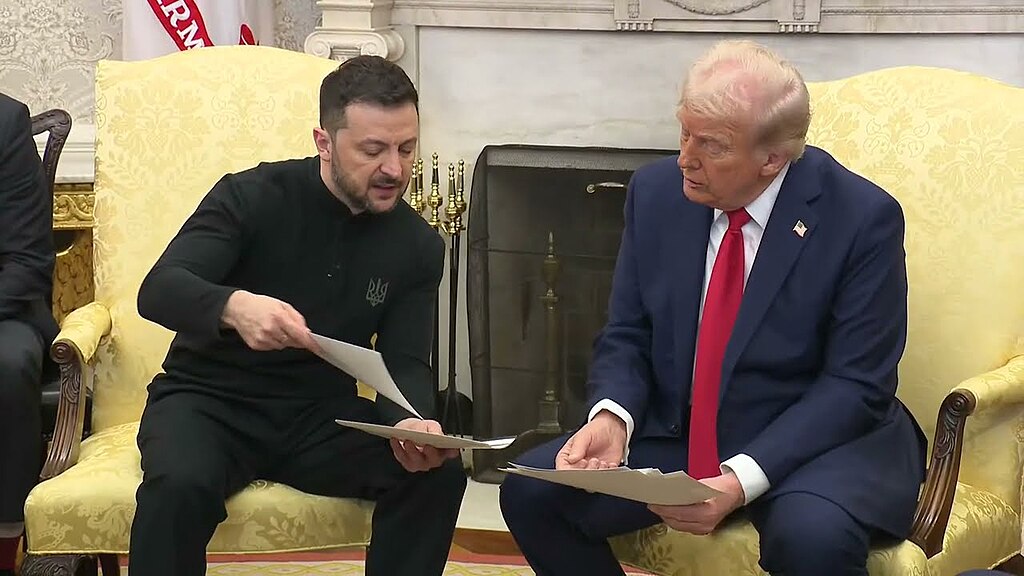
Ukraine urged Western allies to tighten sanctions on Russia following failed ceasefire talks in Istanbul—the first direct negotiations between the two nations since March 2022. The brief meeting ended without an agreement, as Kyiv rejected what it called “non-starters,” including Russian demands for territorial withdrawal.
The talks, convened by Turkey and influenced by U.S. President Donald Trump’s push to end the war, lasted under two hours. Both sides agreed in principle to a major prisoner swap involving 1,000 captives each but made no progress on halting hostilities.
President Volodymyr Zelenskiy, after speaking with Trump and European leaders, called for a unified global stance and tougher sanctions if Moscow refuses a full ceasefire. Russia’s lead negotiator, Vladimir Medinsky, said both sides would draft detailed proposals for a potential ceasefire before further talks. However, he also reiterated Russia’s readiness to continue fighting, referencing historical wars lasting decades.
Sources said the atmosphere was calm, but Russia refused Ukraine’s request to include U.S. representatives in the room. Ukrainian officials described Russia’s conditions as unrealistic and deeply detached from the current situation. British Prime Minister Keir Starmer and EU Commission President Ursula von der Leyen echoed Kyiv’s rejection, with the EU preparing new sanctions.
The Kremlin’s demands remain unchanged: Ukraine must cede occupied territory, renounce NATO membership, and adopt neutrality—terms Kyiv sees as capitulation. While Moscow framed the Istanbul meeting as progress, suggesting possible ceasefire options and ongoing dialogue, a true breakthrough appears distant.
A future summit between Presidents Trump and Putin is being considered, but the Kremlin insists it would require substantial preparation. Meanwhile, both sides agreed in principle to continue negotiations, though no date or location has been set.


