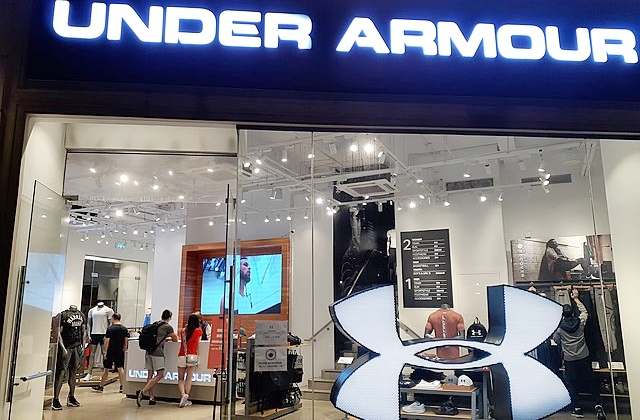
Under Armour and NBA superstar Stephen Curry have officially ended their long-running partnership, marking the close of a significant chapter for both the athlete and the sportswear company. Curry first joined Under Armour in 2013 after his Nike contract expired, eventually launching the “Curry Brand” in 2020. Following the split, the Curry Brand will operate independently, signaling a new direction for the four-time NBA champion.
Curry expressed gratitude toward Under Armour, noting that the brand supported him early in his career and helped him build something meaningful beyond basketball footwear. Despite the separation, Under Armour confirmed it will still release the Curry 13—its final Curry collaboration—in February, with additional colorways and apparel scheduled through October.
The end of this partnership comes at a challenging moment for Under Armour. The company has been working to rebuild demand amid economic uncertainty, fluctuating tariffs, and weakened consumer spending. Just last week, Under Armour projected disappointing annual sales and profit figures. CEO Kevin Plank, who returned to his role in April 2024 after consecutive annual sales declines, emphasized that the company is prioritizing its core brand as part of a broader turnaround strategy. His leadership has included stricter inventory control, reduced promotional activity, and workforce reductions.
Under Armour revealed that it has expanded its restructuring plans and expects to take on an additional $95 million in charges, partly due to the Curry Brand separation. However, the company does not anticipate a significant impact on overall financial performance. It estimates that global basketball revenue—including contributions from Curry Brand products—will reach between $100 million and $120 million in fiscal 2026.
The split marks a pivotal transition for both sides: Under Armour doubles down on its internal restructuring, while Curry gains full control over the future of his rapidly growing brand.