


 Amazon Eyes $8 Billion Nvidia Chip Spinoff to Fund AI Expansion
  Michael Saylor Sees Strategy, Strive Expanding Bitcoin Credit Market
  Ripple and Cardano Expand Blockchain Adoption in Brazil
  Lynas Shares Slide on A$968 Million Meteoric Resources Deal
  Ripple Locks 700 Million XRP Back in Escrow After October Release
  Airbus Spain Workers Approve Deal to End Months of Strikes
  SoftBank Shares Fall After $10 Billion OpenAI Investment
  California AG Subpoenas OpenAI Over AI Cybersecurity Incidents
  DogeOS Launches Testnet to Bring DeFi Apps to Dogecoin
  Citi Raises Bitcoin Target to $113,000 as Crypto Outlook Improves
  Flydubai Co-Pilot Tried to Crash Israel-Bound Jet, Netanyahu Says
  Evernorth Set for Nasdaq Debut With 473 Million XRP Treasury
  Trump Praises Boeing 737 Max After Flydubai Crash Attempt
  Sanofi, Regeneron Expand Drug Partnership in $8 Billion Deal
  WordPress Malware Uses Ethereum to Evade Removal
  MSTR Stock Rises 3% as Strategy Challenges MSCI Bitcoin Stance


 Add as a preferred source on Google
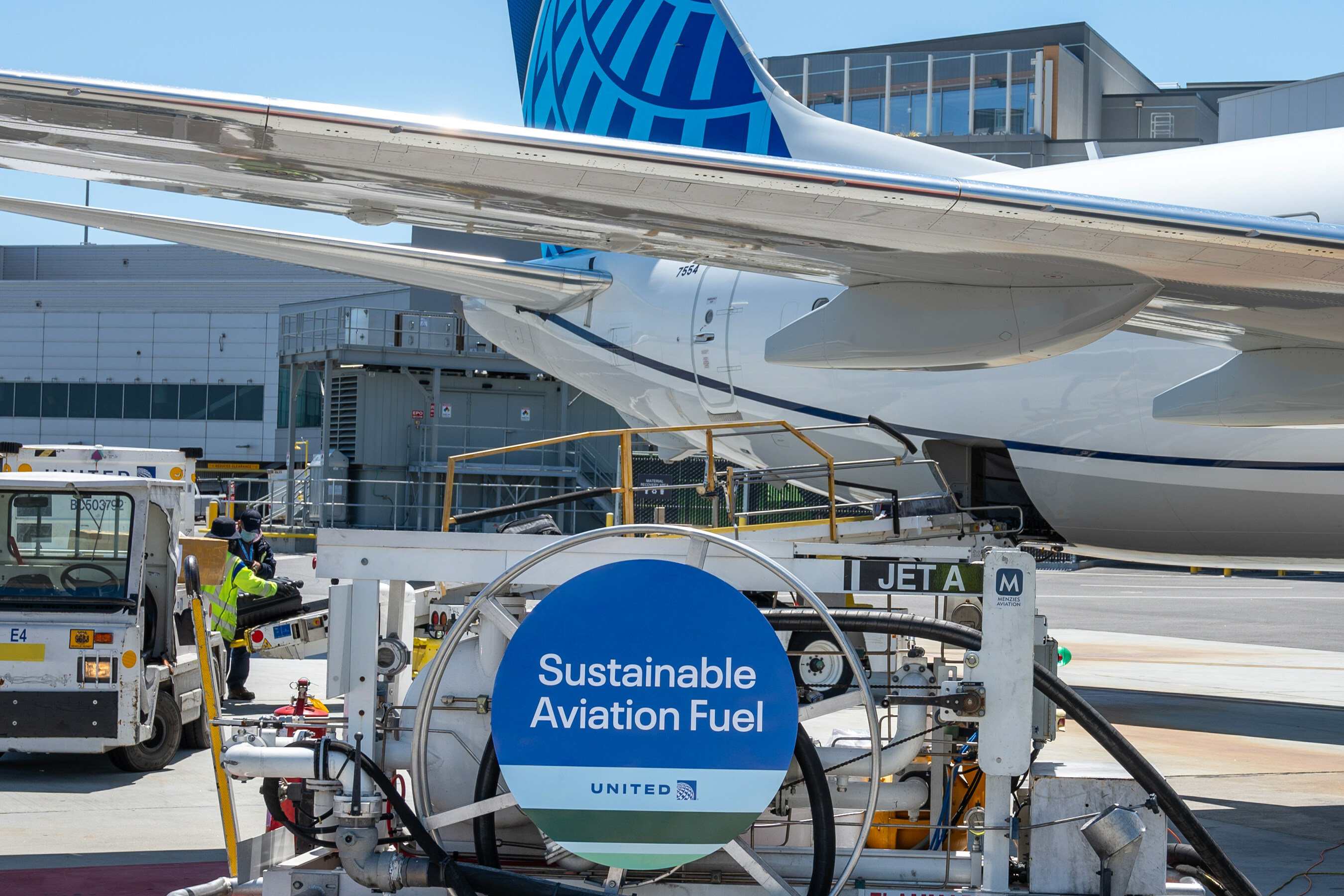
United Airlines announced on Tuesday a significant reduction in its aircraft delivery expectations for the year, citing ongoing delays from Boeing as the primary cause. Initially anticipating the arrival of 101 new narrow-body planes, the airline has adjusted this number to 61.
This change comes amidst a backdrop of challenges and scrutiny facing Boeing, affecting airlines' growth strategies.
Strategic Shifts and Financial Impact
CNBC reported that in response to the delivery delays and to accommodate future growth plans, United's CEO Scott Kirby said that they've adjusted their fleet plan to better reflect the reality of what the manufacturers can deliver. Part of this strategy includes capitalizing on the airline's unique positioning by expanding its mid-continent hubs and international network from its coastal hubs.
Additionally, United plans to lease 35 Airbus A321neos for 2026 and 2027, further diversifying its fleet amid Boeing's production caps.
Reuters noted that the airline also reduced its annual capital expenditure forecast to $6.5 billion, down from the approximate $9 billion initially projected. This adjustment reflects the broader strategy to manage growth in light of manufacturing constraints.
Regulatory Reviews and Service Delays
Amid these strategic shifts, United faces scrutiny from the Federal Aviation Administration (FAA), affecting its planned expansion. A spokeswoman revealed that certain services, including flights from Newark to Portugal and Tokyo to the Philippines, have been postponed due to this regulatory review. The airline also delayed its investor day, emphasizing its commitment to addressing safety protocol reviews with the FAA.
First Quarter Performance and Outlook
Despite a net loss of $124 million this quarter, United Airlines reported a nearly 10% increase in revenue compared to last year, showcasing resilience in operational performance. The airline anticipates earnings of between $3.75 and $4.25 per share in the second quarter, surpassing Wall Street expectations.
Looking forward, United remains optimistic, maintaining its full-year earnings forecast and experiencing a more than 4% increase in after-hours trading on Tuesday. This resilience, amid regulatory and manufacturing challenges, underscores United's strategic adaptability in a volatile industry landscape.
Photo: PR Newswire







