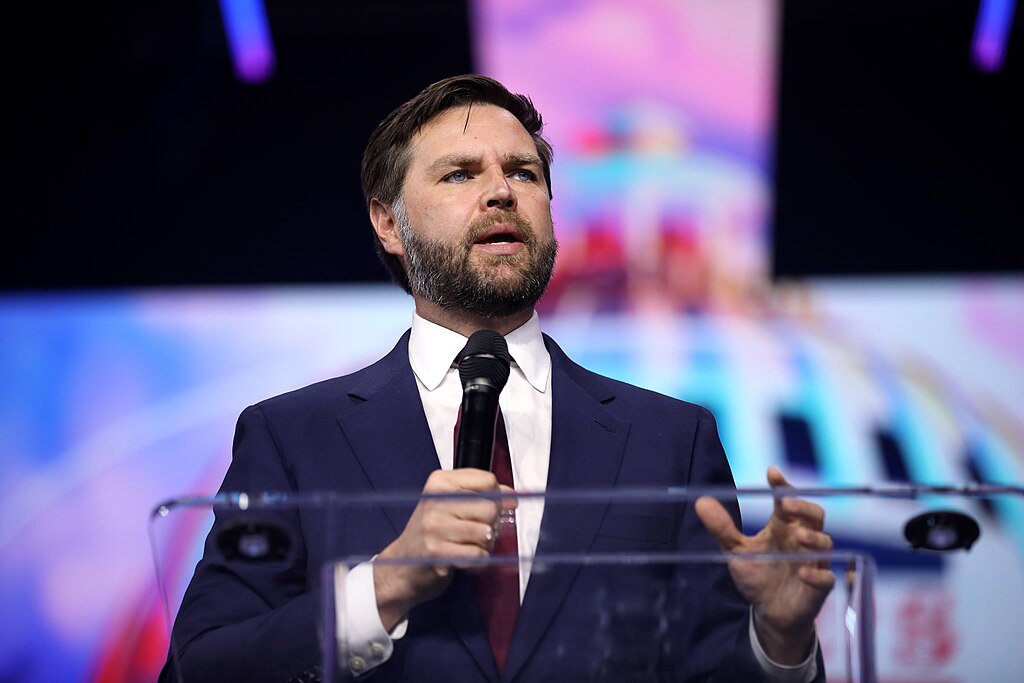
U.S. Vice President JD Vance ignited controversy at the Munich Security Conference, criticizing European leaders for limiting free speech and failing to manage immigration. His remarks drew sharp criticism from German Defence Minister Boris Pistorius, who called them "unacceptable" and accused Vance of undermining European democracy.
Vance's speech, which largely avoided discussing Russia or Ukraine, contrasted with expectations that peace talks following a call between U.S. President Donald Trump and Russian President Vladimir Putin would dominate the event. Instead, Vance identified threats to Europe as a retreat from free speech and uncontrolled immigration.
Pistorius rebuked Vance's comments, emphasizing that democracy in Germany and Europe was not up for debate. The clash highlighted divisions between Trump’s administration and European allies, particularly regarding the Ukraine conflict.
Vance met with Alice Weidel, leader of Germany's far-right AfD party, despite the party's extremist reputation and upcoming federal elections on February 23. The meeting is expected to spark criticism as the AfD faces surveillance for right-wing extremism and polls at 20%.
Before the conference, Vance told the Wall Street Journal that Trump could leverage economic and military tools in peace talks with Putin. However, his spokesperson denied any threat towards Russia.
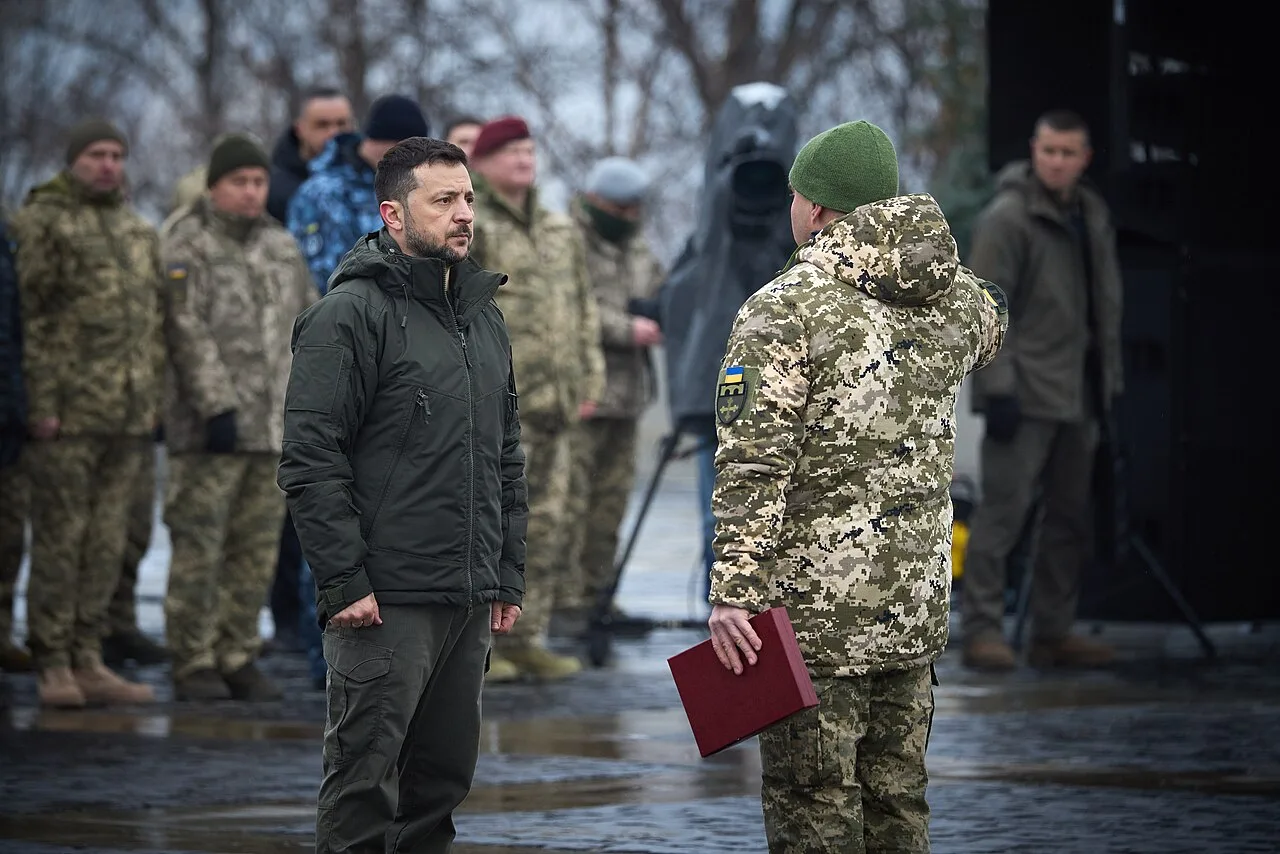
Ukrainian President Volodymyr Zelenskiy, after meeting Vance, insisted peace talks with Russia must involve Ukraine and European allies, warning against imposed solutions. German Foreign Minister Annalena Baerbock echoed this, rejecting any "sham peace."
Vance called for Europe to bolster its own defense, a stance NATO Secretary General Mark Rutte supported, urging increased European military spending. European leaders agreed but sought a gradual reduction in U.S. support.
Adding to tensions, billionaire Elon Musk, a major donor to Trump, publicly endorsed the AfD, further fueling transatlantic discord amid heightened U.S.-Europe divisions.