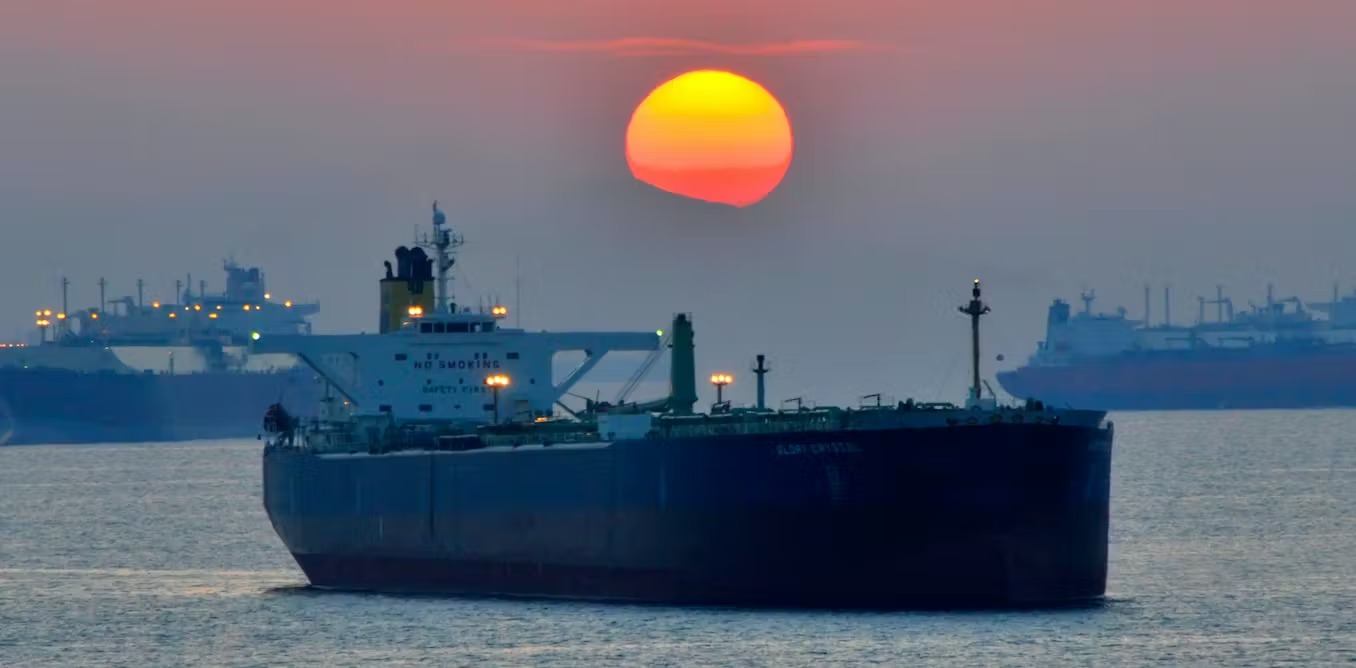
The Venezuelan government has sharply criticized the United States after U.S. authorities seized a sanctioned oil tanker operating off the Venezuelan coast, calling the move an act of “blatant theft.” In an official statement, Caracas vowed to “defend its sovereignty, natural resources, and national dignity with absolute determination,” emphasizing that it intends to bring the dispute before international organizations.
The tanker seizure, confirmed by U.S. President Donald Trump on Wednesday, immediately intensified already-high tensions between Washington and Caracas. The action aligns with ongoing U.S. sanctions aimed at pressuring President Nicolás Maduro’s government, which the U.S. accuses of corruption and undermining democratic institutions. Venezuela, however, argues that these sanctions constitute economic aggression designed to destabilize the country and restrict its ability to manage its own oil production and exports.
Following the announcement, global oil markets reacted swiftly. Crude prices climbed as traders assessed the implications for oil supply and geopolitical stability in the region. The incident added new uncertainty to an already fragile energy market, drawing international attention to the escalating conflict between the two nations.
The Venezuelan government maintains that the tanker operated legally and that the U.S. had no authority to seize it in international waters. Officials claim the action violates international law and sets a dangerous precedent for global maritime operations. Washington, on the other hand, argues that the tanker was involved in activities that breach U.S. sanctions and therefore justified enforcement.
As diplomatic tensions rise, analysts warn that further escalation could impact not only bilateral relations but also broader regional dynamics. With Venezuela pursuing legal action and the U.S. standing firm on its sanctions policy, the dispute underscores the deepening geopolitical struggle over control of the country’s vast oil resources—one of the world’s most strategically significant energy reserves.