


 Japan Protests to US After Marine Arrested in Okinawa Murder Case
  Iran Faces Rising Pressure as U.S. Builds Military Presence
  Trump Heads to Ohio to Boost Husted in Tight Senate Race
  Xi Rest Breaks Cut Trump Summit Schedule, WSJ Reports
  South Korea Warns Ukraine Over North Korean POW Dispute
  Ukraine Deploys FP-7 Ballistic Missile in Combat for First Time
  Iran Keeps Strait of Hormuz Closed as War Talks Stall
  Flydubai Co-Pilot Tried to Crash Israel-Bound Jet, Netanyahu Says
  California Leads Lawsuit Over Trump’s $810 Million Funding Cuts
  Israeli Settler Attack in West Bank Kills Palestinian
  Merz Pledges €1 Billion in Ukraine Aid During Kyiv Visit
  US Waives Egypt Military Aid Conditions Over Iran War Role
  Trump Taps Dennis Rodman as Kim Jong Un Outreach Continues
  TRUMP Memecoin Launches New Dinner Contest
  Putin Says Western Firms Could Regain Russian Assets
  G20 Divided Over US Push to Curb Industrial Overcapacity


 Add as a preferred source on Google
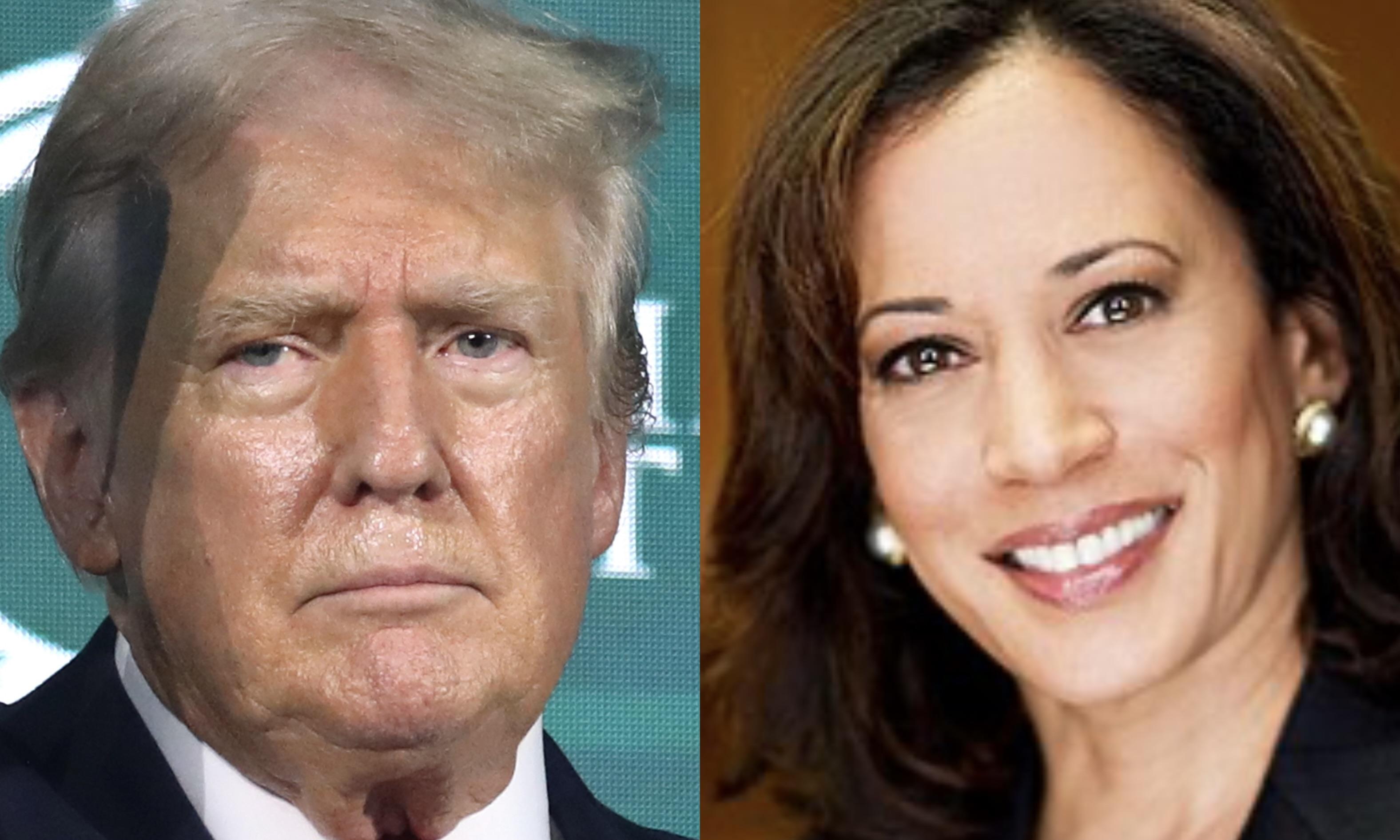
In a win for the Trump campaign and the Republican National Committee (RNC), Pennsylvania will now extend early in-person and mail-in voting through November 1, following a successful lawsuit in Bucks County. The extension, granted by court order, aims to provide additional time for Pennsylvania voters who had previously reported obstacles and delays, particularly in Bucks County.
The lawsuit, filed by the Trump campaign and the RNC, argued that restricted access to early voting sites had disenfranchised voters, with particular focus on Bucks County, where some voters were reportedly turned away or faced long wait times. The court’s decision marks a significant development in the battleground state, where voter access has remained a contentious issue amid heightened attention to election security and accessibility.
“The people of Pennsylvania deserve more time to exercise their right to vote without interference,” said RNC Chairwoman Ronna McDaniel. “This victory affirms that every eligible voter should have a fair chance to make their voice heard, and extending the early voting period does just that.” McDaniel’s statement highlights the broader significance of the ruling as both parties prepare for what is expected to be a tight race in the state.
The extension means Pennsylvania voters now have additional days to vote early, both in-person and by mail, providing an opportunity for those who may have encountered obstacles at their local polling stations. Bucks County has since committed to improving access and addressing the issues raised in the lawsuit. “We’re taking immediate steps to ensure no voter experiences delays or limited access,” said a county spokesperson.
Trump campaign officials celebrated the decision, emphasizing the importance of voter access and fair election practices in Pennsylvania, which remains a critical swing state. “This extension will give Pennsylvania voters the time they need to cast their ballots without the barriers that have surfaced,” said Trump campaign advisor Jason Miller. “We’re fighting for transparency and fairness in every step of this election process.”
While the ruling is viewed as a victory by Republican leaders, some Democratic officials expressed concerns about potential confusion for voters. “Changing voting deadlines so close to the election may create uncertainty for voters,” noted Pennsylvania Democratic Party Chairwoman Nancy Patton Mills. “While we support expanded access, it’s essential that voters have clear information about when and where they can vote.”
Pennsylvania’s extended voting period also has implications for mail-in ballots, with the new deadline allowing additional time for voters to mail their ballots or use secure drop boxes across the state. Election officials are urging voters to take advantage of this extension and submit their ballots as soon as possible to avoid any potential delays.
Political analysts suggest that this extension may impact turnout, particularly in areas where early voting access had been restricted. “An extended voting window can significantly influence turnout, particularly in key counties where access has been challenging,” said political analyst Dr. Emily Larson. “This decision could prove pivotal in a state where every vote truly counts.”
With Pennsylvania’s updated voting window now set to close on November 1, election officials and advocacy groups are focusing on clear communication efforts to ensure voters understand the new deadlines. The extension is expected to amplify participation in the crucial final days of the early voting period, setting the stage for a closely watched election outcome in Pennsylvania.







