


 AstraZeneca Q2 Earnings Beat Forecasts as Oncology Growth Supports 2026 Outlook
  Trump Administration Bars U.S. Travelers From Congo Flights Amid Ebola Outbreak
  Novartis Shares Plunge After Muscle Drug Fails Phase III Trial
  Hengrui Shares Rise on $2.6 Billion Novo Nordisk Obesity Drug Deal
  Moderna Short Sellers Hit With $4.8 Billion Loss as Stock Soars
  FDA Investigates New Cyclospora Outbreak as U.S. Cases Continue to Rise
  New York Declares Measles Disaster Emergency as Cases Surge
  SK Biopharmaceuticals Secures Global Rights to Biohaven Epilepsy Drug Opakalim
  Trump Signs Order to Cut Routine Childhood Vaccines
  GLP-1 Weight-Loss Drug Use Surges Among U.S. Children
  Novo Nordisk Strikes €1.17 Billion Nanexa Drug Delivery Deal
  Hanmi Pharm Soars 30% on $2.3 Billion Genentech Obesity Drug Deal
  Sanofi, Regeneron Expand Drug Partnership in $8 Billion Deal


 Add as a preferred source on Google
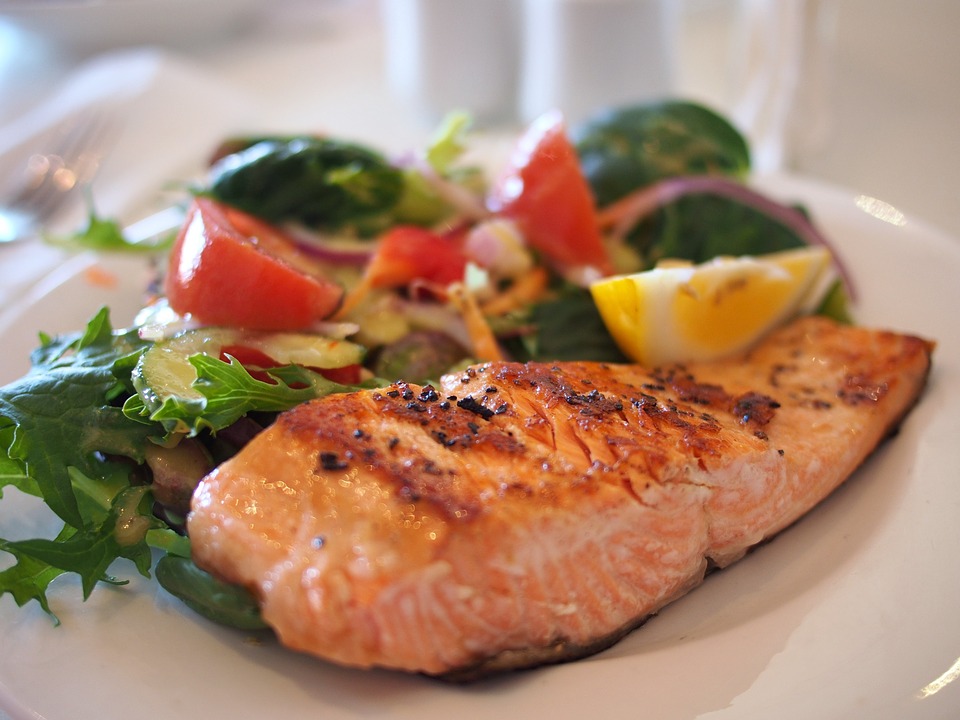
Visceral fat is also known as the fat located on the abdomen, the fat responsible for an expanding waistline, and also the dangerous kind of fat. However, a new report reveals a way to reduce this type of fat, and it also involves fat.
It might seem counterproductive to fight fat with fat, but Express reports that eating fatty fish every week is the way to go when trying to get rid of visceral fat. This is because these kinds of fish are high in protein as well as omega-3, which is a kind of fat that protects the body, especially the heart, from heart disease. There are several studies regarding fatty or oily fish that showed how omega-3 can also help in reducing visceral fat.
One particular study, involving adults and children who suffer from fatty liver disease, had to take fish oil supplements. At the end of the study, it showed that their visceral fat was reduced significantly, as did their liver fat. Experts recommend incorporating fatty or oily fish every week - two portions of it to be specific - with a balanced diet that is ideally low in carbohydrates. On the other hand, because not every fish is the same, experts also recommend eating a certain portion amount for certain types of fish for some people.
Women who are planning to get pregnant or who are already expecting a child or if they are breastfeeding, experts recommend eating no more than two portions of oily fish a week. The meat of every oily fish is also acceptable, but limit intake of certain fish such as rock salmon, halibut, sea bass, turbot, and sea bream.
Other than fatty fish, Express also reports that doctors recommend loading up on soluble fiber in order to reduce visceral fat in the body. This is because soluble fiber turns into a gel-like substance that helps slow down the digestion of food from the stomach and into the small intestines. Upon reaching the colon, this soluble fiber will then turn into short-chain fatty acids that prove beneficial for colon cells.
This would result in the person feeling a lot fuller for longer and prevent overeating in the process. Some studies have also backed up this claim, showing that for every 10-gram increase of soluble fiber everyday, visceral fat was reduced by 3.7 percent in a span of five years. Sources of soluble fiber include apples, oats, oat bran, rice bran, citrus fruits, and potatoes.







