


 Visa Wins China Approval to Prepare Domestic Payments Expansion
  Ethereum Foundation-Linked Wallets Move $11.13M in ETH to Kraken
  European Auto Stocks Rise as EU-China Trade Deal Targets Hybrid Imports
  Most Americans Oppose Election Betting on Prediction Markets, Poll Finds
  Moonshot AI Executives Seek Settlement Ahead of Hong Kong IPO
  Canton Network Expands in South Korea With Major Partnerships
  Hong Kong’s Second Solana ETF Launches With Lower Fees
  Samsung, SK Hynix Shares Fall as China's CXMT Advances DRAM Technology
  TSMC Profit Set to Surge 65% as AI Chip Demand Drives Record Earnings
  Russia Approves Sberbank for Crypto Exchange Services
  Nasdaq Faces Pullback to 26,225 Despite Bullish Outlook, UBS Says
  FAA Warns US Airlines Over Saudi Arabia Flight Risks
  Syndax Stock Drops 15% After Axatilimab Trial Failure
  Bumble Shares Surge 50% on $1 Billion Buyout Talks
  PepsiCo Slashes Poppi Earnout Valuation as Growth Slows
  Epic Games Delays Disney Shooter, Shifts to AI-First Development


 Add as a preferred source on Google
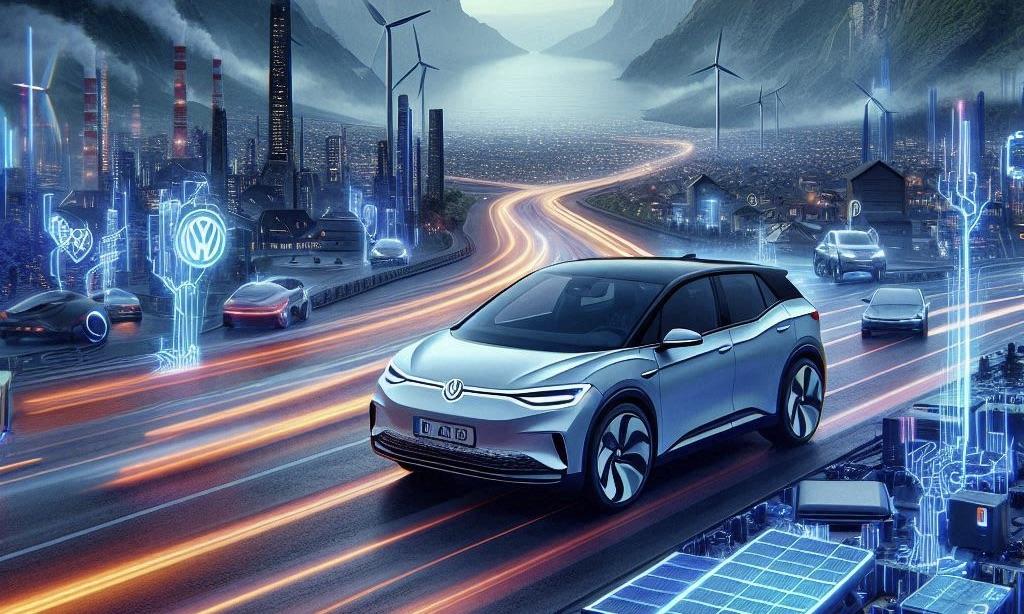
Due to persistent software-related issues, Volkswagen is facing delays in its next-generation vehicle models, including the electric ID.4. Initially scheduled for 2028, the ID.4's release has been postponed to 2029, impacting Volkswagen's plans for autonomous driving advancements.
Volkswagen Faces Software Issues, Delays Next-Gen ID.4 and T-Sport EVs to 2029 and 2031
Volkswagen is experiencing persistent software-related complications, which have postponed numerous next-generation vehicle models, including the electric ID.4.
According to a report published by the German outlet Handelsblatt earlier this month, Volkswagen's Scalable System Platform (SSP) software is causing a delay in the development of the next-generation ID.4. The initial SSP-based vehicles were anticipated to be introduced in 2028. However, the ID.4 is now scheduled to be released in 2029 at the latest, and the electrified T-Sport has been postponed from 2028 to at least 2031.
The SSP, initially anticipated to be implemented on nearly all of Volkswagen's 2025 and subsequent models held great promise. However, over the past few years, the automaker has encountered consistent complications with its software subsidiary, Cariad, leading to delays and restructuring.
The SSP, a key component in Volkswagen's roadmap to achieving Level 4 autonomous driving, was expected to be adopted by Audi and Porsche, Volkswagen's other brands. The Level 4 autonomous driving capability would have allowed the vehicle to perform all driving functions under certain conditions, significantly reducing the need for human intervention. However, the launch of the next-generation ID. 4 is now approximately 15 months behind schedule due to the delay in SSP development.
Software Issues Lead to Delays and Workforce Cuts at Volkswagen's Cariad, Impacting Partnerships and Product Launches
The software issues that have plagued ID. 4 since its inception have not only led to significant delays and a workforce reduction of up to 2,000 at Cariad, Volkswagen's software subsidiary, but they have also impacted the company's partnerships. These issues have caused delays in product launches, affecting the company's ability to deliver on its commitments.
Last month, Volkswagen and Rivian announced a $5 billion investment in the electric vehicle manufacturer. This investment is part of Volkswagen's strategy to develop next-generation software-defined vehicle (SDV) platforms compatible with their respective electric cars. Volkswagen is commencing its investment with a $1 million banknote that will be converted into Rivian stock following the pair's official approval in Germany to establish a joint venture to manufacture electric vehicles (EVs).







