


 Australia Tightens Student Visa Rules, Targets Migration Cut by 2028
  Berkshire Hathaway Eyes Bigger Stakes in Japan’s Top Trading Houses
  Texas Republicans Turn Against AI Data Centers as Election Backlash Grows
  US Delegation Visits Myanmar, Secures Release of American Adam Castillo
  American Airlines Eyes Capacity Cuts as High Fuel Prices Persist
  France Urges Faster AI Push Despite Safety Risks
  Brazil Warns EU of Retaliation Over Animal Products Ban
  Trip.com Shares Rise as Q2 Earnings Beat Estimates
  Guterres Urges Stronger Global AI Safeguards Ahead of UN Assembly
  Supertanker Orders Surge as US-Iran War Reshapes Oil Trade
  ICE Agent Arrested in Minneapolis Over Venezuelan Man Shooting
  Australia Defends Social Media Algorithm Law Amid US Concerns
  France Targets Shein, Temu With Fast-Fashion Fees
  Rosenblatt Starts Nokia at Buy on AI Networking Growth
  FCC Approves Foreign Investment in $110B Paramount-Warner Bros. Deal
  US Judge Dismisses Imran Ahmed Deportation Lawsuit
  Japan, U.S. Discuss $19 Billion GlobalFoundries Chip Plant


 Add as a preferred source on Google
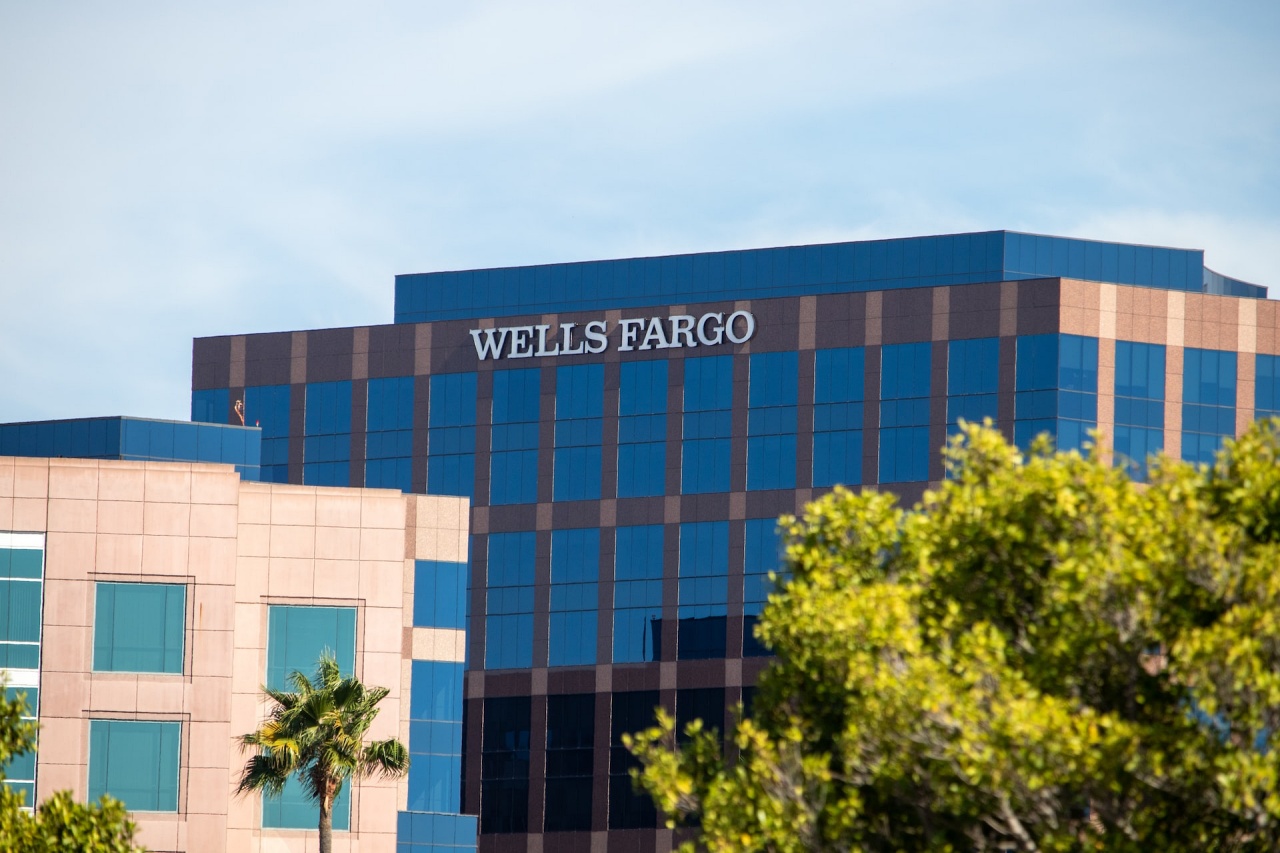
Wells Fargo banker Chenyue Mao, who had been barred from leaving China for several months, has now been permitted to return to the United States, according to sources familiar with the matter. Mao has already departed China, marking the end of a months-long exit ban that had raised concerns among multinational businesses.
The decision follows high-level negotiations between U.S. and Chinese officials in Madrid, where both countries struck a deal to transfer TikTok’s ownership to U.S. control. It remains unclear if Mao’s case was directly linked to these talks, but her release coincides with efforts to ease tensions in the ongoing U.S.-China trade conflict.
China’s Foreign Ministry previously stated Mao was prevented from leaving due to involvement in a criminal case and was required to cooperate with an investigation. Officials reiterated that China handles exit and entry matters according to its legal system.
Mao has worked at Wells Fargo for over a decade and currently leads its international factoring business, helping global clients manage cross-border financing and working-capital strategies. Her expertise in receivables financing makes her a key figure in the bank’s international operations.
The exit ban had heightened fears among foreign companies that employees could face legal risks in China, adding to broader concerns about the business environment amid escalating trade tensions. Neither Wells Fargo, the U.S. government, nor Mao have commented publicly on the case.
Her release may provide relief to foreign businesses worried about staff mobility in China, though it also highlights the geopolitical complexities faced by global firms operating in the country.







