


 China Resumes US Soybean Purchases After Trump-Xi Summit
  FBI Denies Report of Kash Patel’s Russia Visit
  US Justice Department Drops Prosecution of Ex-CIA Analyst Sue Mi Terry
  MI5 Warns of Rising Iran, Russia Threats and AI Bioweapon Risks
  IMF Warns US Debt Crisis Needs Fiscal Action, Urges China to Boost Consumption
  Trump Confirms US Intelligence Sharing With Ukraine Amid Russian Strikes
  Zelenskiy Seeks New US Talks to Revive Ukraine-Russia Peace Negotiations
  US Recalls Nicaragua Envoy After Ambassador Rejection
  Netanyahu Rejects Preemptive Iran Strike Ahead of Israel Election
  US Supreme Court Denies Release of Anti-ICE Activist Kyle Wagner
  Trump Announces Massive Oil and Mineral Exploration Plans in Greenland
  Zelenskiy Says Trump’s Support for Russia Is ‘Painful’
  Trump Warns Houthis Over Attacks, Considers Erdogan Intervention
  Gaza Olive Harvest Collapses as War Destroys Farmland
  Most Americans Oppose Election Betting on Prediction Markets, Poll Finds
  US Senate Midterms 2026: Key Races That Could Flip Control
  US Condemns China Sanctions on Taiwan Allies Belize and Paraguay


 Add as a preferred source on Google
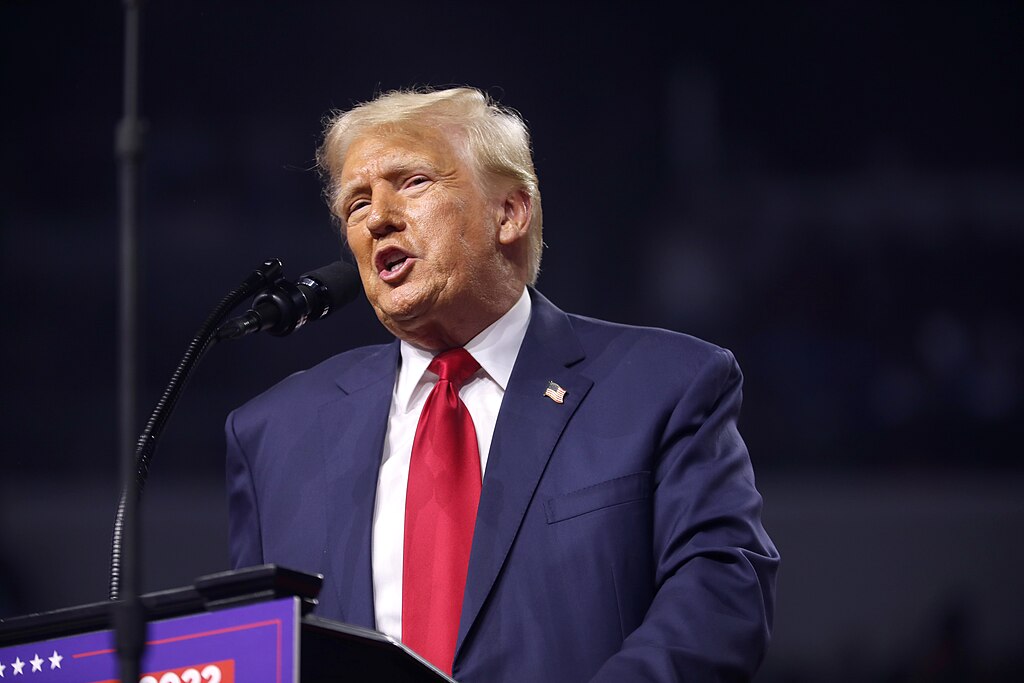
In 2025, President-elect Donald Trump is pushing for a sweeping initiative to develop green jobs in the United States, aiming to tackle climate change while boosting the economy. His plan revolves around creating a sustainable, green economy by investing in renewable energy, promoting clean technology, and enhancing job opportunities for American workers in the rapidly growing green sector.
One of the core components of Trump’s green jobs plan is to incentivize private companies to invest in clean energy technologies, including solar, wind, and nuclear power. He intends to create favorable tax policies and regulatory reforms to ensure that these industries thrive, providing new employment opportunities across the country. Trump envisions that these jobs will primarily be in fields such as renewable energy production, electric vehicle manufacturing, and the development of sustainable infrastructure.
Trump’s proposal also includes an emphasis on job retraining programs, aimed at workers in industries that may be displaced by the transition to green energy. These programs would help individuals acquire the necessary skills to work in the growing fields of renewable energy and energy efficiency. By focusing on workforce development, Trump’s plan seeks to ensure that American workers are not left behind in the green economy, but rather are positioned to succeed in the new industries of the future.
Additionally, Trump is advocating for the expansion of green job opportunities in rural areas, where he believes that investments in clean energy can revitalize local economies and create jobs. This initiative would involve partnerships with private companies to build renewable energy infrastructure, such as wind farms and solar installations, in regions where unemployment is high and economic opportunities are limited.
However, Trump’s green jobs plan has sparked controversy, particularly due to his past opposition to climate change policies and his support for the fossil fuel industry. Critics argue that his focus on private sector solutions and deregulation could undermine efforts to reduce carbon emissions and transition to cleaner energy. They also express concerns about the environmental impact of his proposals, questioning whether they will be sufficient to meet the urgent challenges of climate change. Some environmental advocates worry that Trump's plan may favor corporate interests over the long-term sustainability of the planet.
In contrast, supporters of the plan argue that it offers a pragmatic approach to tackling climate change while ensuring economic growth. They believe that the private sector, when incentivized properly, can drive the innovation needed to create sustainable, green jobs without sacrificing economic prosperity.
Trump’s green jobs initiative is part of his broader economic vision for 2025, which aims to balance environmental responsibility with job creation. As the debate over climate change intensifies, the effectiveness and fairness of Trump’s approach will likely remain a key point of contention among policymakers, business leaders, and environmental groups.







