


 IMF Warns US Debt Crisis Needs Fiscal Action, Urges China to Boost Consumption
  MI5 Warns of Rising Iran, Russia Threats and AI Bioweapon Risks
  Kim Jong Un Showcases ICBM Ahead of Possible Trump Meeting
  Italy’s Meloni Warns US-Russia Diesel Deal Could Weaken Ukraine Sanctions
  Elon Musk Donates $366 Million to 2026 US Midterms
  Trump Warns Houthis Over Attacks, Considers Erdogan Intervention
  Flavio Bolsonaro Backs Brazil’s 40-Hour Workweek Reform Ahead of Runoff
  US Senate Midterms 2026: Key Races That Could Flip Control
  Trump Denies Russia and China Are Helping Iran in U.S. Conflict
  Jordan Bardella Antisemitism Allegations Threaten Le Pen’s Campaign
  US Justice Department Drops Prosecution of Ex-CIA Analyst Sue Mi Terry
  Container Ship Sinks in Strait of Hormuz as Iran Attacks Escalate
  Zelenskiy Says Trump’s Support for Russia Is ‘Painful’
  UN Urges Talks on Lebanon Peacekeeping Mission Extension
  US Condemns China Sanctions on Taiwan Allies Belize and Paraguay
  US Supreme Court Denies Release of Anti-ICE Activist Kyle Wagner


 Add as a preferred source on Google
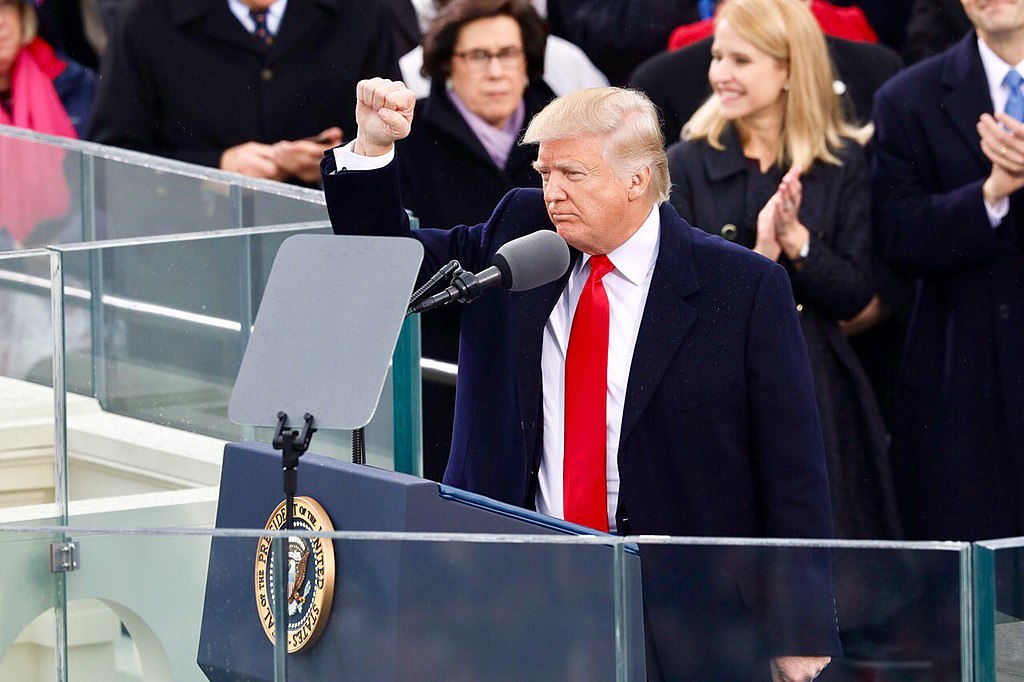
A recent CNN panel discussion ignited controversy when Democratic strategist Julie Roginsky suggested that former President Donald Trump might deploy the military to use lethal force against American citizens opposing his immigration policies. This assertion has intensified debates over the potential domestic use of military power.
Allegations of Military Force Against Civilians
During a segment on CNN's "NewsNight," Roginsky addressed Trump's proposal to utilize "military assets" for enforcing deportations. She posited that such measures could lead to the military confronting Americans attempting to prevent the removal of migrants, potentially resulting in the use of deadly force. Her comments left fellow panelists visibly taken aback, with some expressing skepticism about the likelihood of such extreme actions.
Trump's Stance on Military Deployment
Trump has previously indicated a willingness to deploy the military domestically under certain circumstances. In an October 2024 interview with Fox News, he mentioned the possibility of using military force against what he termed "the enemy from within," referring to "radical left lunatics."
These statements have raised concerns about the potential for military involvement in civilian affairs.
Public Reaction
Roginsky's remarks have sparked a wide array of reactions on social media:
-
@LibertyLover: "Deploying the military against civilians? This is a dangerous path!"
-
@PatriotGuard: "If true, this is deeply troubling. We must uphold democratic principles."
-
@CivicSentinel: "Such claims need thorough investigation. The implications are serious."
-
@JusticeWarrior: "Using military force against citizens is a hallmark of authoritarian regimes."
-
@PolicyWatcher: "This discussion underscores the need for clear boundaries between military and civilian roles."
-
@DemocracyDefender: "Allegations like these erode trust in our institutions. Transparency is crucial."
Expert Perspectives
Former Secretary of Defense Mark Esper has expressed concerns about Trump's inclination to use the military in domestic situations. He noted that during Trump's presidency, there was a tendency to consider military solutions for civil unrest, which he viewed as inappropriate roles for the armed forces.
Implications for Civil-Military Relations
The discussion highlights the delicate balance required in civil-military relations. The Posse Comitatus Act generally prohibits the use of federal military personnel in domestic law enforcement, underscoring the importance of maintaining a clear separation between military and civilian spheres to preserve democratic norms.







