


 Elon Musk Donates $366 Million to 2026 US Midterms
  Italy’s Meloni Warns US-Russia Diesel Deal Could Weaken Ukraine Sanctions
  China Warns Taiwan Over South China Sea Coast Guard Incident
  Netanyahu Rejects Preemptive Iran Strike Ahead of Israel Election
  Gaza Olive Harvest Collapses as War Destroys Farmland
  Trump Warns Houthis Over Attacks, Considers Erdogan Intervention
  US Justice Department Drops Prosecution of Ex-CIA Analyst Sue Mi Terry
  Flavio Bolsonaro Backs Brazil’s 40-Hour Workweek Reform Ahead of Runoff
  SpaceX Starlink Restrictions Disrupt Ukraine Military Operations
  Zelenskiy Says Trump’s Support for Russia Is ‘Painful’
  Kim Jong Un Showcases ICBM Ahead of Possible Trump Meeting
  US Condemns China Sanctions on Taiwan Allies Belize and Paraguay
  Zelenskiy Seeks New US Talks to Revive Ukraine-Russia Peace Negotiations
  Trump Announces Massive Oil and Mineral Exploration Plans in Greenland
  Jordan Bardella Antisemitism Allegations Threaten Le Pen’s Campaign
  Trump Denies China, Russia Are Helping Iran in War


 Add as a preferred source on Google
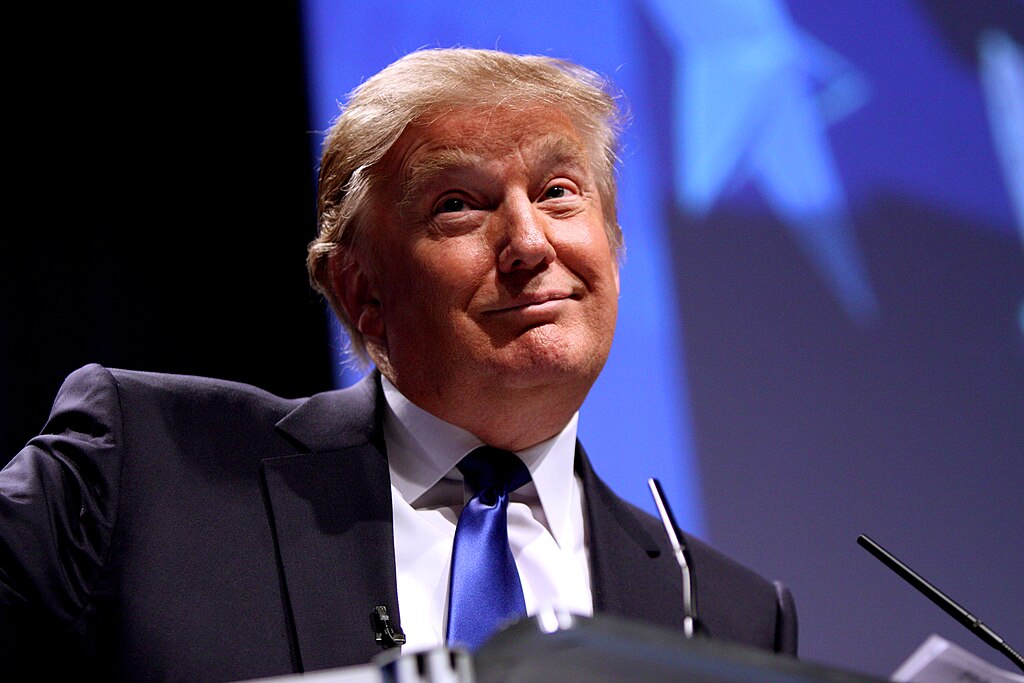
President-elect Donald Trump’s plans for funding public libraries in 2025 are stirring nationwide debate. As libraries face increasing challenges in a digital age, Trump’s policy proposal seeks to restructure their funding mechanisms, favoring privatization and corporate partnerships over traditional federal support. This move, his administration argues, is aimed at making libraries more self-sufficient, but critics warn it could jeopardize access to public knowledge.
The proposal includes reduced federal grants, encouraging states and municipalities to form alliances with private companies to maintain and expand library services. Trump’s administration contends that this approach will lead to innovation, allowing libraries to incorporate modern technologies such as digital lending, maker spaces, and AI-driven educational tools.
“Libraries are the heart of community education,” an administration official stated. “But they need to adapt to modern challenges. By partnering with corporations, they can ensure long-term survival.”
Privatization and Tech Investments: Opportunity or Threat?
Central to Trump’s policy is a significant reduction in federal funding allocated through programs like the Library Services and Technology Act (LSTA). Instead, local governments would compete for private grants to fund infrastructure updates and technological innovations. This shift is intended to promote efficiency and reduce dependency on federal resources.
Under the proposal, tech companies like Amazon, Google, and Microsoft are expected to play a prominent role. These firms could provide funding, technology, and expertise to libraries, potentially transforming them into hubs for digital learning and innovation.
Critics, however, fear this approach might erode libraries’ public-serving ethos. By relying on corporate sponsors, libraries could face restrictions on the content they offer or be pressured to promote commercial interests over unbiased information access.
Additionally, opponents argue that underserved communities, which often rely most heavily on public libraries, might suffer under this model. Without robust federal support, smaller libraries may struggle to secure private partnerships, exacerbating educational inequities.
Netizens React to Trump’s Controversial Library Plans
The policy has sparked heated discussion online, with reactions highlighting both support and skepticism:
- @LibraryLover93: “Trump’s library funding cuts will hurt rural areas the most. Not everyone has access to corporate-backed resources!”
- @TechIsFuture: “Finally, someone is pushing libraries into the 21st century! Tech partnerships are long overdue.”
- @EqualAccessNow: “This policy is dangerous. Libraries should remain public spaces, not billboards for tech giants.”
- @DigitalLearner21: “Corporate sponsorship isn’t evil if it helps libraries survive. But transparency is key!”
- @SmallTownReader: “Our library is already underfunded. I doubt private companies care about small communities like mine.”
- @InfoEquality: “Public libraries are about access for all, not profit margins. This is a step in the wrong direction.”
Balancing Innovation with Accessibility
While Trump’s push for modernizing libraries reflects an understanding of their evolving role, critics point out significant risks. Many worry that privatization could compromise libraries’ mission to provide free and equitable access to information.
Experts suggest that instead of slashing federal funding, the administration should focus on hybrid models. Combining public funding with private innovation might ensure libraries can modernize without sacrificing accessibility or neutrality.







