


 Elon Musk Donates $366 Million to 2026 US Midterms
  Zelenskiy Seeks New US Talks to Revive Ukraine-Russia Peace Negotiations
  US Supreme Court Denies Release of Anti-ICE Activist Kyle Wagner
  IMF Warns US Debt Crisis Needs Fiscal Action, Urges China to Boost Consumption
  Gaza Olive Harvest Collapses as War Destroys Farmland
  US Justice Department Drops Prosecution of Ex-CIA Analyst Sue Mi Terry
  Trump Denies China, Russia Are Helping Iran in War
  Trump Warns Houthis Over Attacks, Considers Erdogan Intervention
  US Senate Midterms 2026: Key Races That Could Flip Control
  Zelenskiy Says Ukraine Received No Warning Before Russian Missile Attack
  MI5 Warns of Rising Iran, Russia Threats and AI Bioweapon Risks
  China Warns Taiwan Over South China Sea Coast Guard Incident
  UN Urges Talks on Lebanon Peacekeeping Mission Extension
  FBI Denies Report of Kash Patel’s Russia Visit
  Trump Announces Massive Oil and Mineral Exploration Plans in Greenland
  Most Americans Oppose Election Betting on Prediction Markets, Poll Finds
  US Condemns China Sanctions on Taiwan Allies Belize and Paraguay


 Add as a preferred source on Google
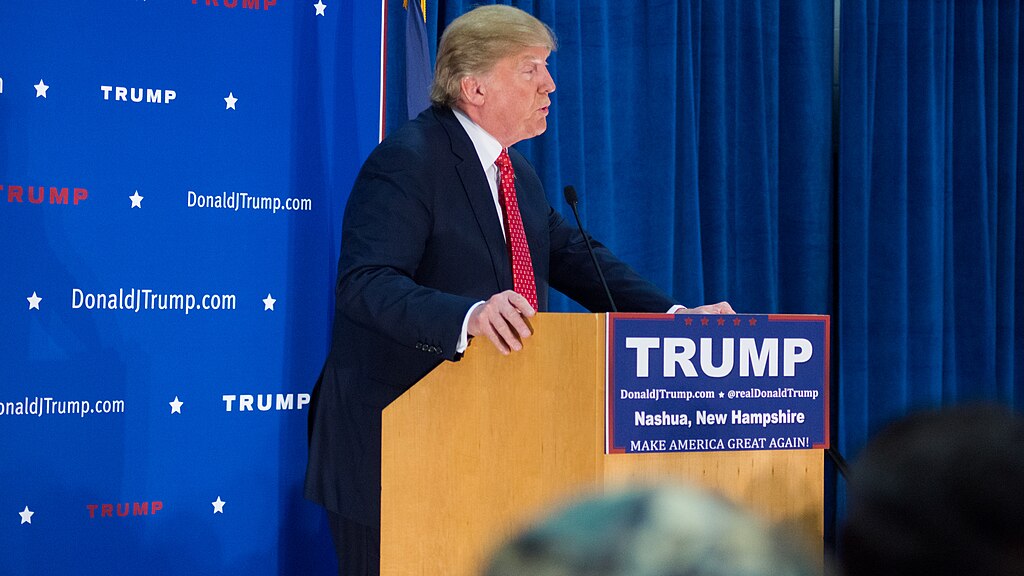
President-elect Donald Trump has unveiled a strategic plan aimed at accelerating electric vehicle (EV) adoption across the United States in 2025. The ambitious initiative, part of his broader energy and economic agenda, seeks to balance job creation, innovation, and energy independence. Despite his past skepticism toward EVs, Trump now seems intent on positioning America as a leader in the rapidly evolving automotive industry.
The plan includes incentives for domestic EV manufacturers, infrastructure development, and workforce retraining programs. Trump has also vowed to address supply chain issues, particularly concerning rare earth minerals essential for EV batteries. However, the proposal has drawn both praise and criticism, with some questioning whether the administration can meet its ambitious targets.
Key Focus Areas: Jobs and Infrastructure
At the heart of Trump’s EV agenda lies a commitment to revitalizing American manufacturing. The president-elect has pledged substantial tax credits for automakers producing EVs domestically. He also plans to roll out a $50 billion investment package for expanding EV charging infrastructure, ensuring that rural and urban areas alike benefit from accessible charging stations.
Moreover, Trump’s workforce retraining programs aim to equip traditional auto industry workers with skills needed for EV manufacturing. "We’re ensuring American workers are prepared for the EV revolution," said a transition team spokesperson.
To address concerns about the availability of raw materials, Trump plans to strengthen partnerships with countries rich in lithium and cobalt reserves. Simultaneously, his administration is expected to ramp up domestic mining operations, a move likely to spark environmental debates.
Mixed Reactions to the Plan
Trump’s sudden pivot toward supporting EVs has stirred a wave of reactions online, with social media users offering a range of perspectives:
- @EVAdvocate2025: “It’s about time! America can’t afford to fall behind in the EV race. Good move by Trump!”
- @GreenEarthNow: “How can Trump promote EVs while ignoring environmental safeguards? This is all about profits, not sustainability.”
- @MidwestWorker23: “If it brings jobs to Detroit and Ohio, I’m all for it. Let’s rebuild American manufacturing!”
- @TechieOnWheels: “Charging stations are great, but what about the grid? We need renewable energy to power this revolution!”
- @EcoCritic: “This is just a way for big corporations to get richer. Trump’s plan lacks real environmental responsibility.”
- @PatriotAutoFan: “EVs and energy independence? Finally, a plan that puts America first without relying on foreign oil!”
The mixed reactions underscore the polarizing nature of Trump’s shift on EV policy, particularly given his administration’s previous rollback of emissions regulations.
Challenges Ahead for Trump’s Vision
While the plan has drawn praise for its focus on infrastructure and job creation, experts caution that implementation will be key. Significant hurdles include ensuring sufficient grid capacity to support widespread EV adoption and navigating the environmental impacts of increased mining activity.
Critics also question the feasibility of retraining large numbers of workers within a short timeframe. Additionally, Trump’s reliance on partnerships with foreign mineral suppliers could face geopolitical roadblocks, complicating efforts to secure a stable supply chain.







