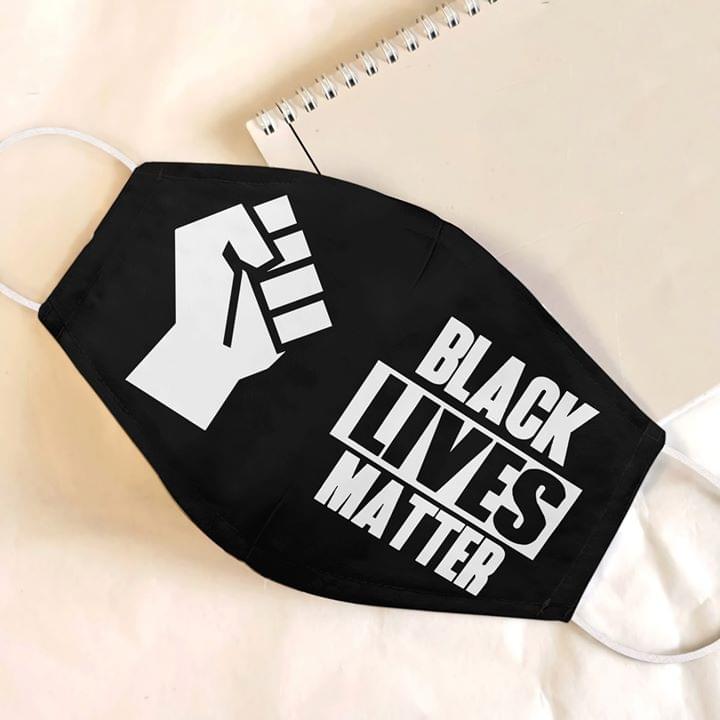
Whole Foods Market Inc. claims in a motion filed in Boston federal court that it is lawful to prohibit employees from wearing Black Lives Matter face masks at work to enforce a neutral dress code.
The company's lawyers pointed out that Title VII of the Civil Rights Act of 1964, which prohibits racial bias in the workplace, does not make it to ban any "visible slogans, messages, logos or advertising" in the workplace.
They added that the question is whether Title VII nullifies a facially neutral dress code policy prohibiting the wearing of slogans and messages on clothing in the workplace.
The 14 plaintiffs who are black, white, Asian, and Latino accused Whole Foods of selectively enforcing its dress code by banning Black Lives Matter masks while allowing other masks bearing other political messages or sports team logos.
Whole Foods said store managers told workers wearing Black Lives Matter apparel asked them to change their masks for violating the dress code.
Some who ignored the warnings were disciplined.
Savannah Kinzer, a white employee at a Cambridge Massachusetts store, was also fired after also accumulating disciplinary points for other infractions.
Whole Foods insists that for the plaintiffs to prove associational discrimination, they must allege an adverse employment action due to "unfounded stereotypes and assumptions."
The plaintiffs failed to do so.
The company said the plaintiffs' claims had nothing to do with stereotypes or assumptions about Black people.
Whole Foods added that the plaintiffs failed to exhaust administrative remedies on not first filing complaints with the Equal Employment Opportunity Commission, as mandated by Title VII.
A status conference has been scheduled for Tuesday.