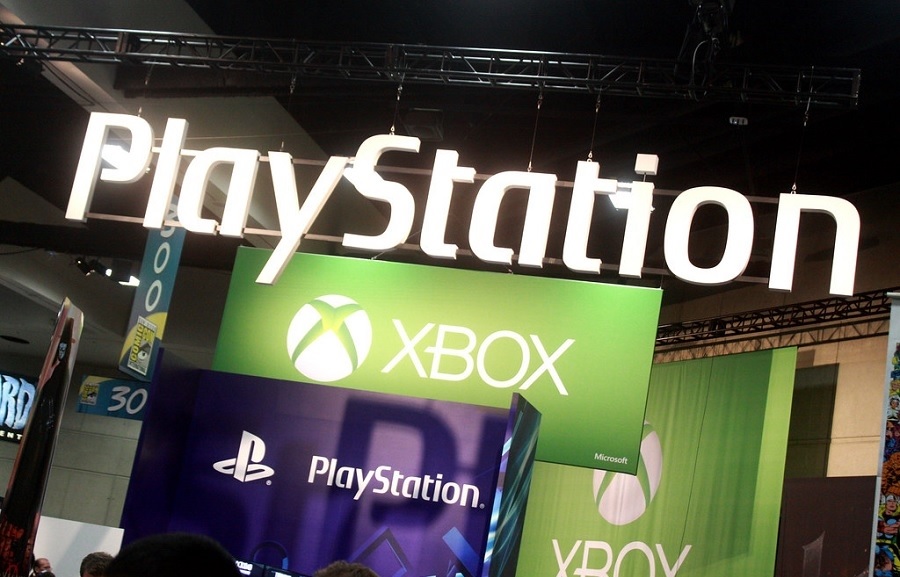
Microsoft still awaits the decision of regulators from over a dozen countries to approve its $68.7 billion acquisition of Activision Blizzard. But the company also appears to be working on getting on the good side of the deal’s biggest critic — Sony PlayStation.
The Xbox parent told the New York Times that it reached out to Sony last Nov. 11. Microsoft said it offered the PlayStation maker a deal that would guarantee the release of “Call of Duty” games on its gaming system for at least 10 years. The report noted that Sony has yet to comment on Microsoft’s revelation.
A merger as significant as the one that Microsoft and Activision Blizzard are trying to get approved has, unsurprisingly, raised concerns among video game fans, rival companies, and authorities. Sony has been one of the companies that have provided its opinion on several ongoing regulatory reviews of the merger, with the main focus being the future availability of “Call of Duty.”
Sony is not convinced that Microsoft will not use the merger, should it be approved, to sway console players away from PlayStation by making “Call of Duty” exclusive to Xbox. Microsoft Gaming CEO Phil Spencer has repeatedly dismissed this concern, insisting that the first-person shooter will not be removed from PlayStation nor will it require Sony to support Xbox Game Pass to access the franchise.
To Sony and PlayStation fans, however, a 10-year deal may not be enough guarantee as it is not the same as Spencer’s promise to never remove “Call of Duty” from PlayStation consoles. Spencer had previously explained in an interview with the Decoder podcast why signing a contract that has no defined period is not feasible.
“This idea that we’re going to write a contract that says ‘forever’ doesn’t make sense to any lawyer. There is obviously a business relationship between the royalty exchanges and other things,” the Xbox chief explained. “You’re not going to give up any ability to do what you need to do and the flexibility with the business in the future.”
Microsoft also appears to be trying to redirect the discussions away from “Call of Duty” by insisting that its bigger incentive in closing the deal is to get the Activision-Blizzard-King expertise in the mobile gaming market. In the publisher’s financial results for the last three quarters, its mobile gaming revenue has been overwhelmingly higher than PC and consoles combined. In Q3 2022, the company reported a $932 million revenue from mobile games, while its PC/console revenue was at $699 million.
Decoder’s Nilay Patel commented that Microsoft is essentially trying to acquire King’s “Candy Crush” and not “Call of Duty.” To which Spencer said, “Yes, the idea that Activision is all about ‘Call of Duty’ on console is a construct that might get created by our console competitor and maybe some players out there.”
The Microsoft-Activision Blizzard merger needs to be approved in 16 territories before it can be finalized, which both companies hope will be done by summer 2023. But, so far, the deal has only been approved by regulators in Brazil and Saudi Arabia. And the deal is under intense scrutiny from competition watchdogs in major markets, including the European Union and the United Kingdom, which have both launched their respective “Phase 2” investigations.
As for the United States Federal Trade Commission, the New York Times reported that it has more than 10 staff members looking into the transaction. The same report also suggested, citing two sources, that the FTC may be considering a legal challenge against the merger, as it reportedly asked if other companies are willing to put their concerns into sworn statements.