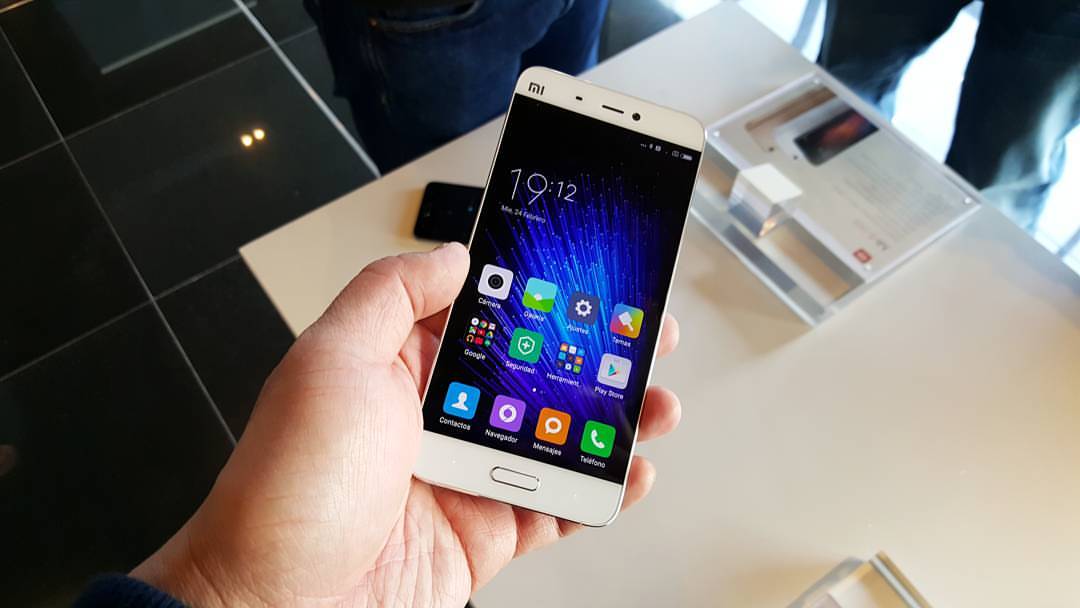
“Xiaomi” is a rising brand in Asia and has even generated a lot of interest in the U.S. thanks to some of its products that were greatly anticipated, but never reached American soil. New developments give hope to customers who want the Chinese company’s products though, as “Microsoft” is transferring rights to some of its patents to “Xiaomi,” which could effectively allow it to sell its wares in the country without infringing on patent copyright laws.
“Xiaomi's” global division vice president, Hugo Barra, tweeted about the development.
"Expanding the Xiaomi-Microsoft partnership: new deal for Office & Skype pre-install, IP cross-license and patent transfer agreement,” he wrote.
Expanding the Xiaomi-Microsoft partnership: new deal for Office & Skype pre-install, IP cross-license and patent transfer agreement
— Hugo Barra (@hbarra) June 1, 2016
The concern over patent copyrights is apparently one of the biggest reasons for why the Asian juggernaut failed to enter the U.S and other developed markets. However, with the deal it struck with “Microsoft,” phones and other devices made by “Xiaomi” might finally hit American stores.
According to Computerworld though, the trade-off is that “Xiaomi” will need to integrate “Microsoft’s” products in their Android devices. As such, all of their phones and tablets will include “Microsoft Office” in them, along with “Skype.”
Sourcing the Wall Street Journal, Computerworld noted that the deal involves the transfer of over 1,500 patents. However, it isn’t clear if Android patents were included in the deal. IDC vice president for devices research Bryan Ma doesn’t seem to think so.
“Either way, Xiaomi was trying to build up its patent portfolio, particularly to help it in its overseas efforts, so this sounds like it gives them a nice boost,” he said.
Considering that the Chinese company is facing heavy competition from the likes of South Korea’s “Oppo” in its own backyard, expanding to American and European markets is its best shot at remaining competitive. To do this, it will have to build up its patent portfolio even more than it already has.