


 Bank of America Predicts Yen Rebound as USD/JPY Faces Risks
  Oil Prices Fall as Russia Signals Higher Diesel Exports
  European Auto Stocks Rise as EU-China Trade Deal Targets Hybrid Imports
  US Dollar Rises for Fourth Week as Fed Rate Hike Bets Grow
  Nasdaq Falls as Oil Prices Surge Ahead of Bank Earnings
  Trump Secures Russian Diesel Deal as US Fuel Prices Surge
  Oil Prices Surge Above $106 After Deadly Saudi Airport Attack
  Trump Defends Russian Diesel Deal Amid US Sanctions Backlash
  Fed's Hammack Urges Faster Rate Hikes to Fight Inflation
  Gold Prices Rise Above $4,200 as Russia-Ukraine Energy Truce Eases Oil Concerns
  Gold Prices Rebound as Dollar Weakens Ahead of US Inflation Data
  Trump Calls for Zelenskyy Replacement Amid Russian Diesel Deal
  US Dollar Near 18-Month High Ahead of Inflation Data
  IMF Maintains 2027 Global Growth Forecast at 3.4% Amid Rising Risks
  UK Finance Minister Healey Calls for Fiscal Discipline Amid Global Risks
  Global Stocks Mixed as Oil Falls Ahead of US Earnings


 Add as a preferred source on Google
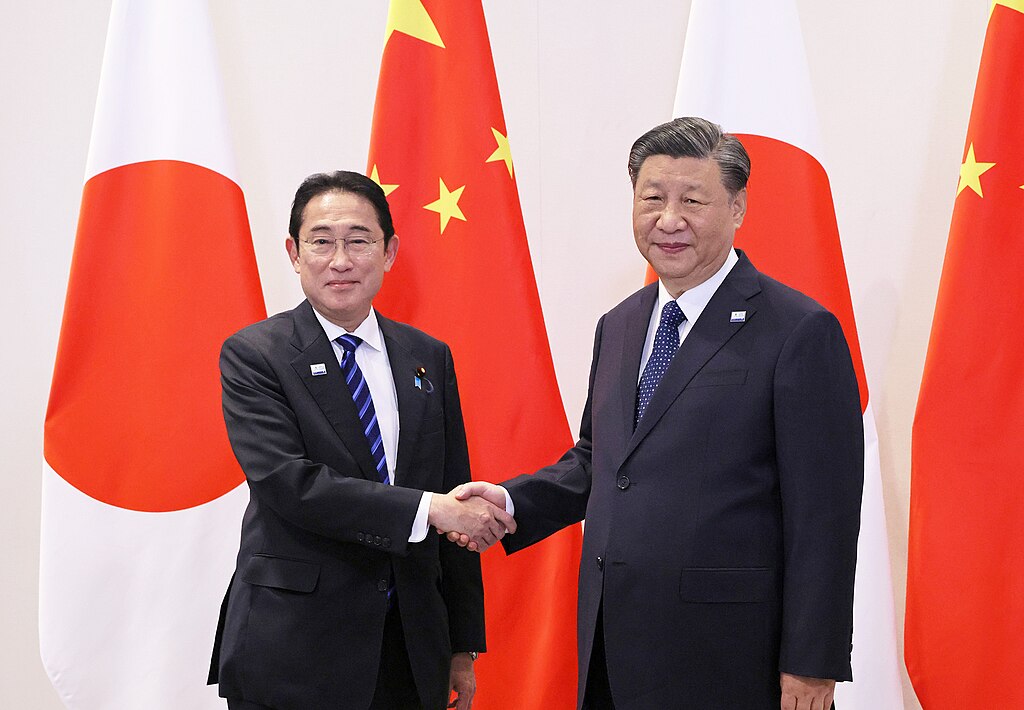
President Xi Jinping announced comprehensive plans to bolster the finances of China’s indebted local governments. By transferring more revenue from the central government to regional authorities, including a larger share of the consumption tax, Xi aims to address the debt crisis and stimulate economic growth.
Xi Unveils Comprehensive Plan to Strengthen Finances of China’s Indebted Local Governments
The governing Communist Party unveiled its long-term blueprint for the world's second-largest economy. In contrast, President Xi Jinping unveiled comprehensive plans to strengthen the finances of China's indebted local governments.
On July 21, the official Xinhua News Agency published a nearly 22,200-character resolution in which China's top leader outlined strategies for resolving the debt crisis that regional authorities are currently experiencing. Those plans were centered on transferring additional revenue from the central to local coffers, such as enabling regional governments to receive a more significant portion of the consumption tax.
According to Ding Shuang, the chief economist for Greater China and North Asia at Standard Chartered Plc, Xi's proposals represent the "third major taxation and fiscal reform" in recent history. The other significant changes he identified were the 1994 decision to increase the proportion of revenue central governments receive over regional authorities and a series of decisions that began in 2013 that permitted localities to issue bonds independently.
“The central government’s income was set too high, and now it’s being adjusted,” Ding said of the framework set under then-President Jiang Zemin. The changes “will alleviate the imbalance between the central and local government’s spending responsibilities and income,” he added.
This month, Xi presided over a twice-a-decade conclave in Beijing, during which approximately 400 senior officials supported his vision for advanced manufacturing to stimulate China's $17 trillion economy. The resolution from that conclave indicated that the top leader is refining policies to mitigate risks, but his overarching plans have not significantly changed.
Chinese policymakers face pressure to address the 66 trillion yuan ($9.1 trillion) hidden debt crisis and rebalance the economy. Foreign leaders have accused Beijing of utilizing exports to offset sluggish domestic demand. By providing regions with a more significant share of the consumption tax, it is possible to resolve both issues by encouraging officials to increase consumer spending and providing them with a new source of finances.
Nevertheless, the imposition of further taxes on products has the potential to stifle sentiment among Chinese consumers, who are already hesitant to spend due to a property slump affecting their primary wealth source. Last month, retail sales experienced their lowest growth rate since December 2022, as China's second-quarter development figures failed to meet expectations.
Chinese Officials Grant Cities More Autonomy in Property Markets, Focus on National Security
Additionally, officials committed to granting city governments greater autonomy in governing local property markets, consistent with the policies implemented over the past two years that have enabled localities to address the housing downturn more effectively. According to Bloomberg, they also committed to constructing additional subsidized housing and reforming the pre-sale model, which has resulted in developers' inability to deliver millions of homes that have already been paid for by residents.
In a distinct statement, China's most influential leader since Mao Zedong declared that the four-day conclave had elevated national security to a "more prominent" status, implying that it had surpassed the economy. Nevertheless, the official resolution declared that Beijing would endeavor to "establish constructive interactions" between security and development.
In addition, officials expressed their intention to "investigate and implement a national unified population management mechanism," which could potentially expand Beijing's surveillance architecture. That was the initial instance of senior executives employing that phrase.
“Xi’s emphasis on security shows that the development is eventually aimed at protecting national security,” said Alfred Wu, an associate professor at the National University of Singapore’s Lee Kuan Yew School of Public Policy.
He also noted that the report primarily used "sprinkling" vague measures rather than signifying concrete changes, which may have led investors to believe their expectations for the Third Plenum were too high.
The absence of policy signals in the initial communiqué released following the conclusion of the gathering on July 18 elicited a negative response from the market. A meeting of the 24-man Politburo, responsible for formulating economic policies for the year in July, may reveal additional details later this month.
In 2013, when investors anticipated disclosing the new president's long-term vision, Xi last employed the Third Plenum to formulate economic reform. The nation's foremost leader has since established his authority through a third term that defies precedent. He has effectively communicated his strategy for transitioning the country from boom-and-bust debt cycles. That was reflected in the resolution, which continued his long-term vision.
Xi Emphasizes ‘High-Quality Development’ and Technological Innovation to Propel China's Economic Growth
The report conspicuously promoted "high-quality development," a vague slogan generally interpreted to emphasize the quality of economic growth over its absolute pace. It is centered on Xi's aspirations to advance China's economy by leveraging technological innovation to ascend the value chain.
China's Top leaders have also pledged to implement policy enhancements to promote the development of sectors such as artificial intelligence, new materials, and quantum technology, including "revolutionary breakthroughs in technologies." Additionally, the nation committed to developing more manageable supply chains for sectors such as advanced materials and integrated circuits.
Developing processors and AI is essential to Beijing's overarching objective of replacing technology from the United States, which is increasingly attempting to encircle China. According to economists, technology self-sufficiency is one of the top three economic issues that Chinese leaders must address in the medium—to long-term.
“I think the third plenum did not change the government’s policy objectives,” said Zhiwei Zhang, president and chief economist at Pinpoint Asset Management, “but it introduced new measures to achieve such objectives.”







