


 German 2-Year Yield Hits 2023 High as Rate Hike Bets Rise
  Gold Prices Fall as Hot U.S. Inflation Boosts Fed Rate Hike Bets
  UK Economy Grows 0.4% in July, Beating Forecasts
  US Futures Fall as Fed Meeting, Oil Surge Rattle Markets
  Oil Prices Surge as Houthi Attacks Raise Saudi Supply Fears
  UK Wage Growth Slows as BoE Rate Decision Looms
  Oil Prices Surge as Houthi Attacks Deepen Hormuz Supply Fears
  BOJ Set to Raise Rates to 1.25% as Inflation Risks Build
  Hormuz Vessel Traffic Drops to Single Digits
  US Treasury Yields Near 5% as Oil Fuels Inflation Fears
  Japanese Yen Retreats as Dollar Rises Ahead of Fed, BOJ Rate Decisions
  EUR/USD Eyes 1.17 as Fed Decision Could Weigh on Dollar
  Finland Raises 2026 Growth Forecast as Exports and Investment Surge
  Goldman Sachs Forecasts Fed Rate Hike as Inflation Risks Rise
  Dollar Rises as Fed Hike Bets Weigh on Asian Currencies
  Treasury Buyback Fails to Cool Long-Term Yields
  Global Central Banks Brace for More Rate Hikes as Inflation Risks Rise


 Add as a preferred source on Google
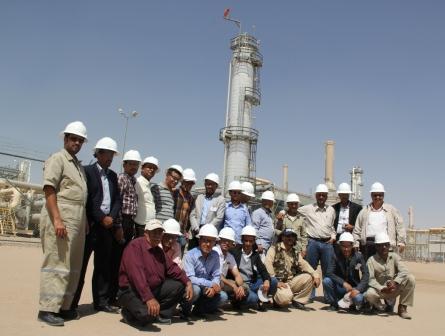
Yemen aims to increase its crude oil production by 25 percent to 75,000 barrels per day in the coming months to recover from the drastically reduced output caused by the civil war.
Yemen produced around 127,000 barrels per day before the conflict and is estimated by the US Energy Information Administration to have about 3 billion barrels of oil reserves.
The civil war has shuttered its Aden refinery and damaged its infrastructure, said Aws Abdullah Al-Awd, the energy minister of Yemen's internationally recognized government under President Abdrabbuh Mansur Hadi.
Consequently, there were doubts about Yemen's ability to rehabilitate the sector soon.
According to Awd, they have put forward a plan to reexport crude oil from the Marib and Shabwa oil fields and have rehabilitated the Al-Nashama oil port on the Arabian Sea.
Yemen has two primary crude oil streams, with Marib producing light and sweet crude and Masila proving medium-gravity and more sulfur-rich variety.
The country is also creating more pipelines and raising the 600,000 barrels of storage capacity at Nashima port, which is much less than the 3 million barrels in Houthi-controlled Ras Issa port.
The minister added that with improved security and speedy recovery of global energy markets, Yemen could resume the production and exportation of liquefied natural gas from the Balhaf facility by next year.
France's Total operated the plant.







