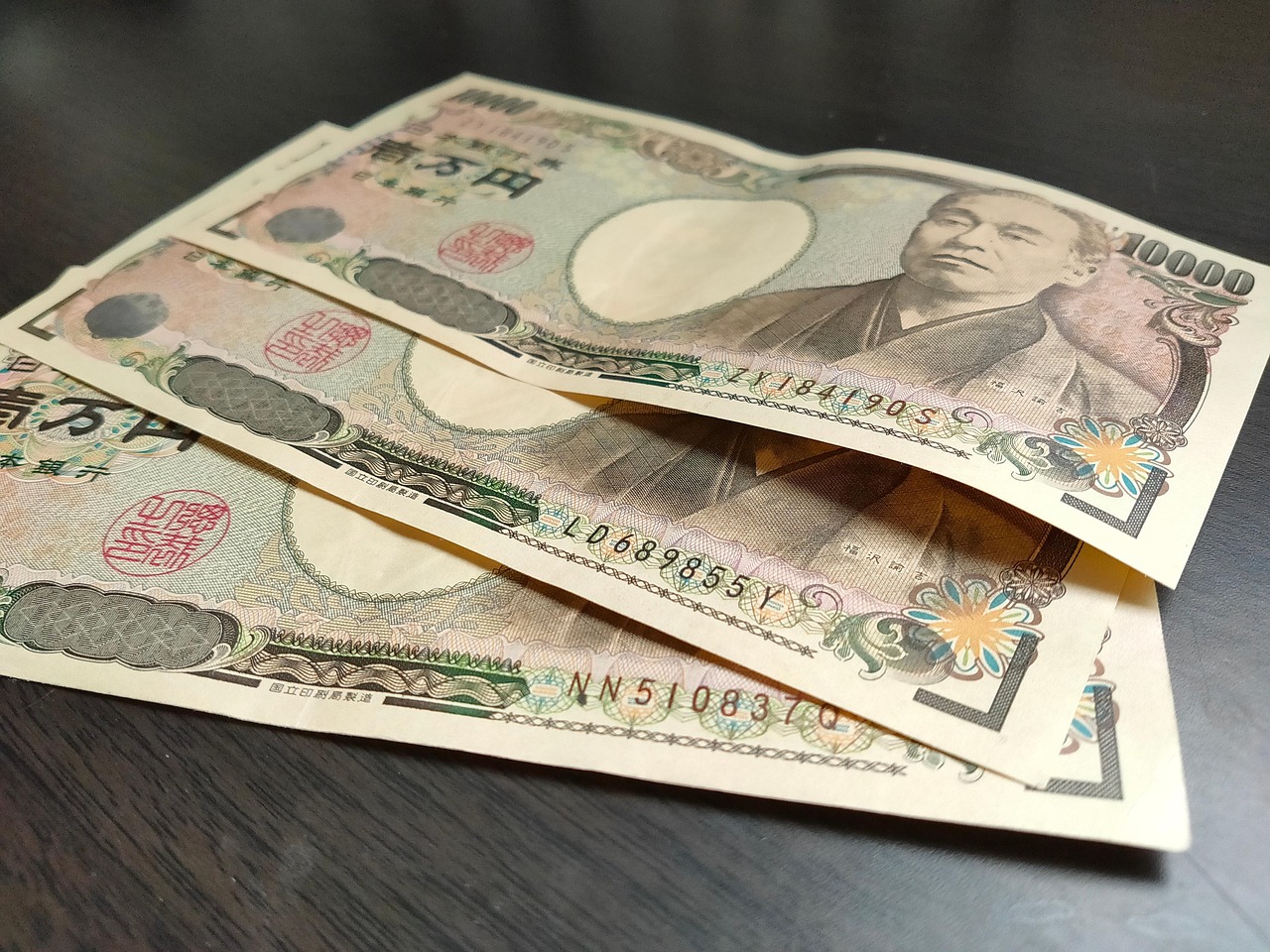
The Japanese yen stabilized on Tuesday after two consecutive sessions of strong gains, as currency traders stayed alert to the possibility of coordinated foreign exchange intervention by U.S. and Japanese authorities. Speculation around such intervention has driven renewed interest in the yen, which has surged nearly 3% over the past two trading days, reversing weeks of depreciation against the dollar.
The yen’s rebound has pushed the dollar/yen exchange rate back toward the 153–154 range, with the currency last trading around 154.24 per dollar, well above Friday’s low near 159.23. Market participants noted that recent “rate checks” by U.S. and Japanese officials, a move often interpreted as a precursor to intervention, helped slow further yen weakness. A Reuters source reported that the New York Federal Reserve contacted dealers about dollar/yen rates on Friday, while Japanese officials confirmed close coordination with U.S. counterparts on currency matters.
The stronger yen has added pressure to the U.S. dollar, which is already struggling amid domestic political uncertainty. Concerns over a potential U.S. government shutdown, unpredictable policymaking under President Donald Trump, and growing questions around Federal Reserve independence have weighed heavily on the greenback. The dollar index, which measures the currency against a basket of peers, has fallen more than 1% so far this year and hovered near a four-month low around 97.05.
In broader currency markets, dollar weakness supported gains in major rivals. The euro traded near $1.1878 after recently touching a four-month high, while sterling hovered around $1.3678. The Australian and New Zealand dollars also remained firm, benefiting from spillover selling of the U.S. currency.
Attention is now turning to the Federal Reserve’s two-day policy meeting, though analysts say political developments may overshadow interest rate expectations. Ongoing investigations involving Fed leadership and speculation about Chair Jerome Powell’s future have raised concerns about central bank independence, a factor many strategists see as a downside risk for the dollar. While the threat of coordinated intervention has made investors cautious about pushing the yen lower, analysts warn that if no action materializes, markets may once again test Japanese authorities’ resolve.