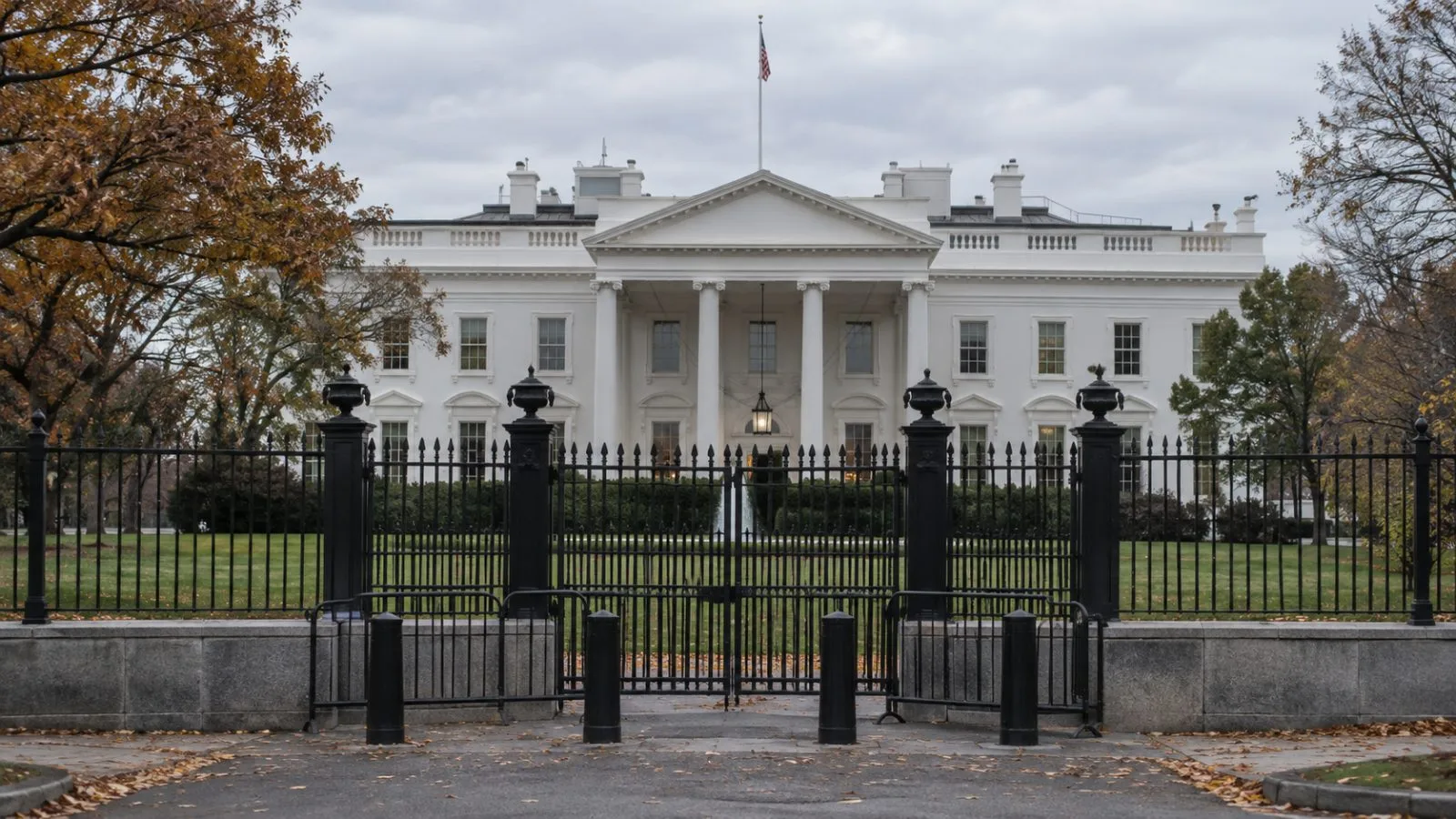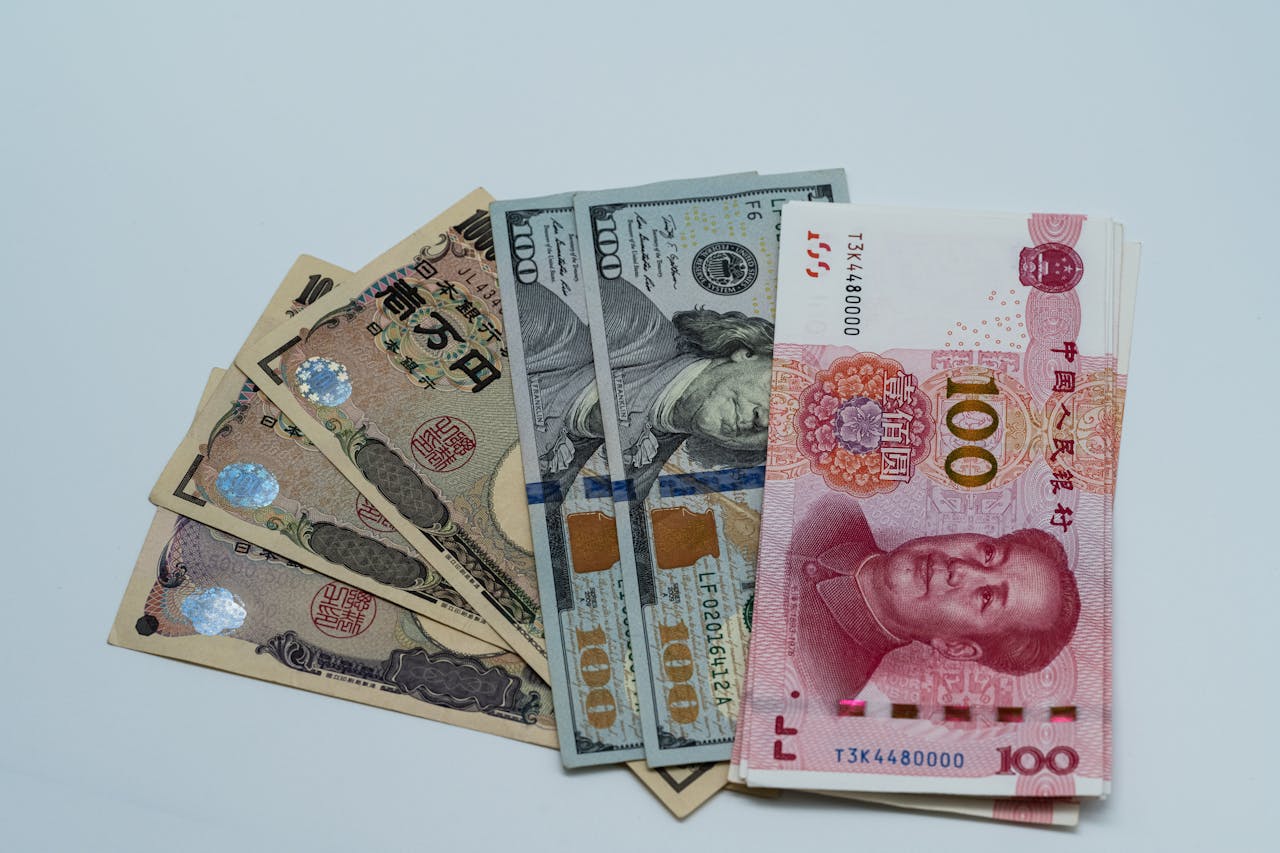
The Japanese yen weakened to a two-week low on Tuesday, falling to 146.44 per dollar, after U.S. President Donald Trump announced 25% tariffs on goods from Japan and South Korea. The move is the latest in Trump’s escalating trade war, with the new tariffs set to take effect on August 1. The South Korean won also dropped nearly 1% overnight before recovering slightly to 1,370.20 per dollar.
Markets remain volatile amid uncertainty surrounding Trump’s tariff strategy. Although the original deadline was July 9, Trump extended it and indicated a willingness to adjust if trade partners make alternative proposals. Despite this flexibility, investor sentiment has been rattled.
“There’s still a lot of uncertainty around the final tariff rates and which countries will face which levels,” said Carol Kong, currency strategist at Commonwealth Bank of Australia. “This is just the beginning—we’ll likely see more developments soon.”
Japan’s Prime Minister Shigeru Ishiba stated that Japan would continue trade negotiations with the U.S., aiming for a mutually beneficial deal. Meanwhile, South Korea sees the new deadline as an extended grace period and plans to intensify talks with Washington.
The dollar held steady, with the dollar index at 97.40, maintaining most of Monday’s 0.5% gains. The euro rebounded 0.27% to $1.1741, while the British pound edged up 0.17% to $1.3626. The Australian and New Zealand dollars also regained some ground after heavy losses in the prior session.
Markets now turn to the Reserve Bank of Australia, which is expected to cut interest rates further amid slowing economic growth. Analysts project a 3.1% terminal rate by early 2026, citing continued inflation concerns and weak investment outlook.