
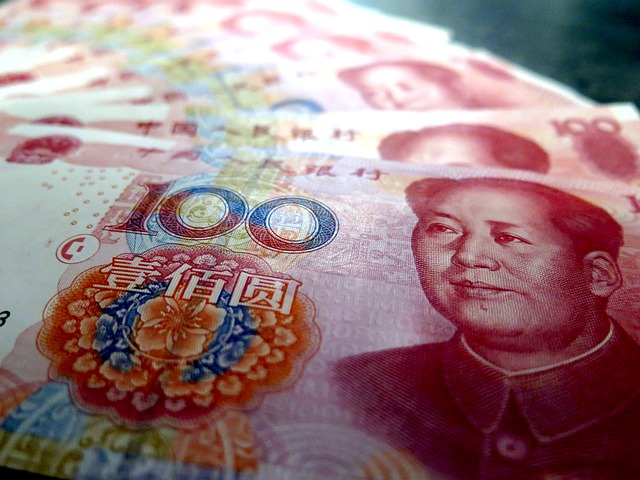
Since the beginning of the year, depreciation in Yuan rattled global markets. As of now, Yuan is trading at 6.57 per Dollar, down 1.25% this year and 6% in last six months.
While some might consider depreciation of Yuan as positive factor for China's massive export sector, it is not likely to bear well for its property market, especially for Real Estate corporations. That is due to overleveraging in the sector and especially in Dollar terms. Ultra low interest rate in US and Yuan's appreciation since 2005 have influenced this trend.
Since 2005 till 2015, Yuan appreciated against Dollar by almost 25% but that trend is n reverse gear now. Since 2014, low, Yuan is down almost 105 against Dollar.
China's property sales rose 21.7% last year and prices have recovered in tier I and II cities since mid of last year, but further depreciation is likely to place these corporations under strain as leverage will rise significantly. That is however, bad news for not just the real estate sector but banks too. Real Estate accounts for China's 30-40% of overall bank lending. Loans have taken against mortgages.
So Yuan's depreciation may not be in China's best interest.

