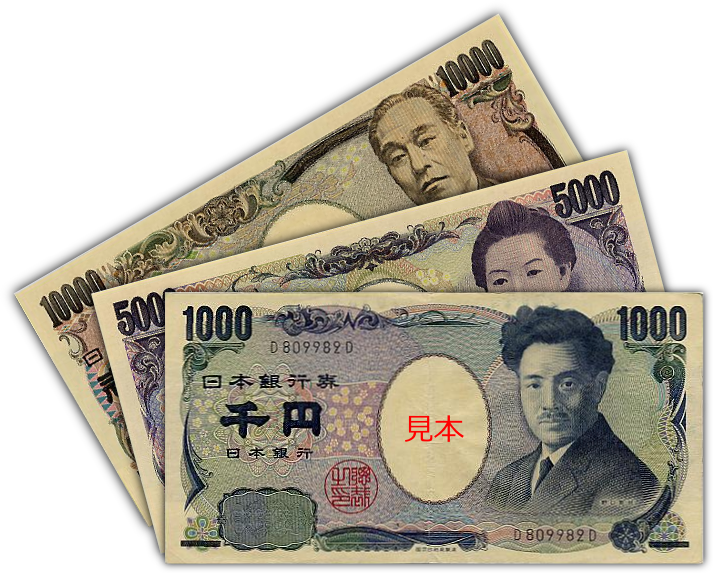
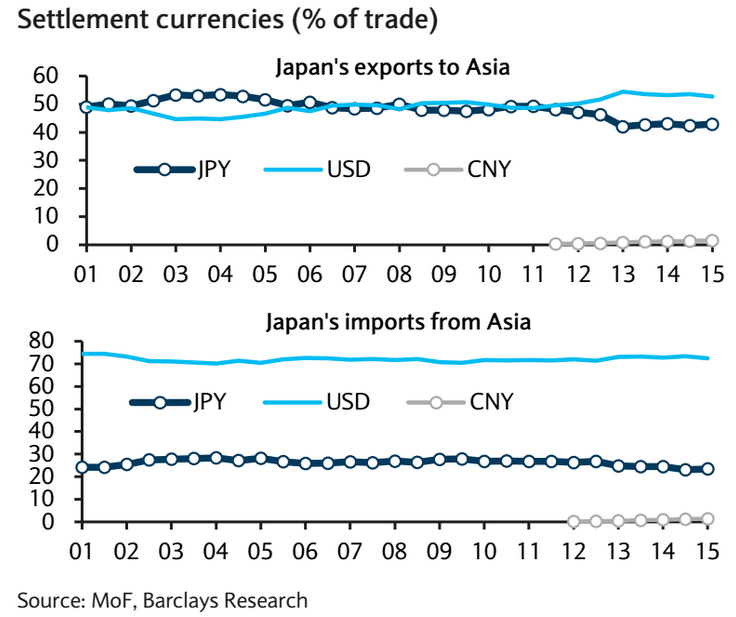
Since April 2013 the BoJ has ploughed 170 trillion yen ($1.37 trillion) into a radical quantitative easing programme in an effort to jolt its flagging economy out of decades of deflation. BoJ relies heavily on a solid pick-up in overseas demand and thus export profits to help fuel a rise in wages that in turn would underpin growth in domestic consumption and a virtuous cycle that would push inflation towards its 2 percent target. A growing number of Japan's central bankers are concerned that PBoC's currency devaluation move will likely hit Asian demand harder than expected, threatening a Japanese export rebound.
China's devaluation of the yuan exposes an undefended flank in the Bank of Japan's efforts. Japan's inflation remains barely above zero, for all the firepower thrown at it. Many central bankers are wary of the rising costs of the programme, the potential for asset bubbles, and the distortion to markets - especially the government bond market, which is increasingly dominated by the BOJ. Some also fear the programme lets central government off the hook on fiscal reform, too.
When the BOJ reviews its long-term forecasts in October, there is a possibility that it would be very reluctant - and at this point still unlikely - to act again, but if China's woes hit exports enough to push Japan into recession this quarter, it cannot be ruled out. There is yet a political pressure for BOJ action, government officials have even signalled that further BOJ easing would be unwelcome if it spurs further falls in the yen, pushing up import costs and denting consumption.
But a new slump in oil prices, weak domestic consumption and fragile overseas demand have rekindled market speculation the BOJ may be forced to ease in October. For now, Japanese policymakers remain sanguine on the yuan's devaluation. As long as it doesn't go much further than the 3 percent, an uptick in cheaper Chinese imports will have a negligible impact on its efforts to raise inflation.
Some analysts suspect the political tide could turn if the economy remains weak, especially with premier Shinzo Abe's support slipping ahead of upper house elections next year. While Economics Minister Akira Amari said there were no plans to prepare a fresh stimulus package, some lawmakers are already calling for extra fiscal spending of around 3 trillion yen.
"The BOJ has blamed oil for tame inflation, but the economy has also been too weak to accelerate inflation," said Hideo Kumano, chief economist at Dai-ichi Life Research Institute. "If growth remains weak enough to trigger fiscal spending, the BOJ probably has no choice but to deploy stimulus too." he added.
USD/JPY made intraday low at 123.79 today and currently trading at 123.96 levels.