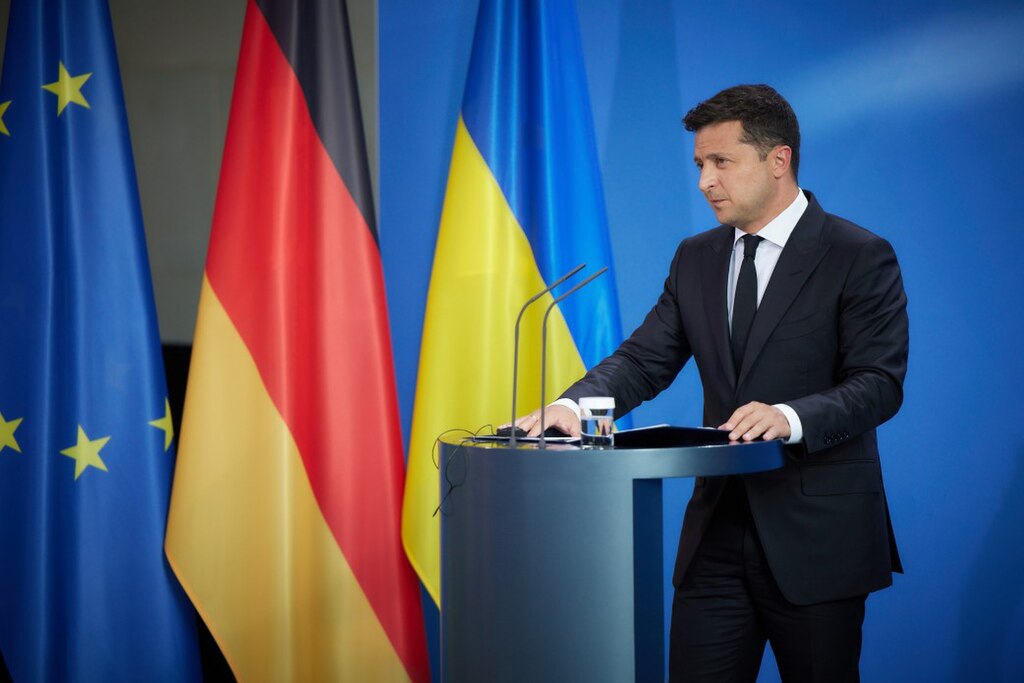
Ukrainian President Volodymyr Zelenskiy expressed cautious optimism ahead of U.S.-brokered peace talks between Ukraine and Russia scheduled in Geneva next week. Speaking at the Munich Security Conference, Zelenskiy said he hopes the negotiations, involving Ukrainian, Russian, and American delegations, will be meaningful and productive. However, he voiced concern that Ukraine is being asked “too often” to make concessions, while Russia’s responsibilities remain unclear.
The upcoming Geneva peace talks come as former U.S. President Donald Trump pushes for a ceasefire to end Europe’s largest conflict since World War II. Zelenskiy emphasized that while Ukraine supports diplomatic efforts, discussions frequently focus on Ukrainian compromises rather than Russian ones. He called for tougher sanctions on Russia and increased weapons supplies to strengthen Ukraine’s position at the negotiating table.
A key obstacle in the Ukraine-Russia conflict remains territorial control. Moscow is demanding that Kyiv cede the remaining 20% of the eastern Donetsk region still under Ukrainian control. Zelenskiy firmly rejected this proposal, stating that Ukraine will not surrender its land. Instead, he signaled openness to discussing a U.S. proposal involving a free trade zone in parts of Donetsk while freezing the current 1,200-kilometer front line.
Zelenskiy also questioned Russia’s decision to replace its chief negotiator with Kremlin adviser Vladimir Medinsky, suggesting the move may be an attempt to delay progress. Ukrainian officials have previously criticized Medinsky for failing to engage constructively in negotiations.
Ukraine insists that a ceasefire must include international monitoring and a prisoner-of-war exchange. Zelenskiy estimates Russia is holding around 7,000 Ukrainian troops, while Kyiv holds more than 4,000 Russian soldiers. He also warned that Europe’s limited role in negotiations is a “big mistake” and urged stronger European involvement in securing lasting peace.
With Russia occupying roughly 20% of Ukrainian territory, including Crimea and parts of Donbas, the stakes remain high. As winter air strikes strain Ukraine’s energy infrastructure, Kyiv continues pressing allies for decisive action to end the war on fair terms.