


 Elon Musk Eyes Semiconductor Manufacturing Expansion With $15 Billion Terrafab Project
  Moonshot AI Executives Seek Settlement Ahead of Hong Kong IPO
  Apple Supplier Luxshare Sees Limited Impact From US Patent Probe
  Nvidia’s China AI Chip Market Share Falls to 34% as Huawei Gains Ground
  Epic Games Delays Disney Shooter, Shifts to AI-First Development
  Trump Buys Up to $25M in Meta Stock, Invests in SpaceX Debt
  Arm Breaches Qualcomm License Deal, Jury Awards $2
  AT&T Sells Mexico Wireless Business to Televisa for $2 Billion
  Citi Upgrades Galaxy Digital Stock, Raises Price Target to $28
  OpenAI Revenue Hits $50 Billion, Below Earlier $70 Billion Estimate
  Samsung, SK Hynix Shares Fall as China's CXMT Advances DRAM Technology
  Arm Shares Fall Over 3% After Qualcomm Wins License Dispute
  OpenAI Uses AI to Uncover Hidden Recording Device, FBI Makes Arrest
  Arthur Hayes Announces FLOP Testnet Launch Within Weeks
  Robinhood Chain Eyes Priority Gas Auctions for Faster Trades


 Add as a preferred source on Google
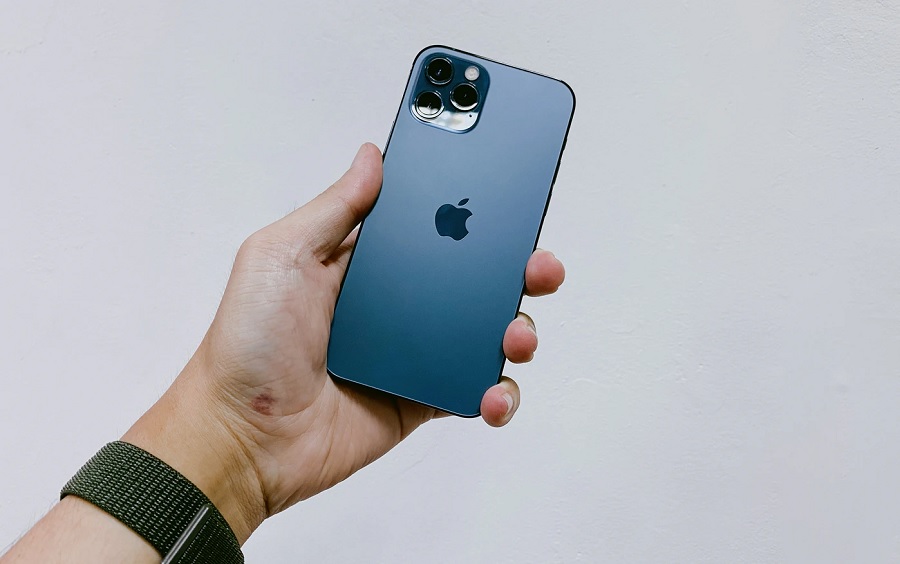
The addition of 5G connectivity is one of the main selling points of the iPhone 12 series this year. However, it is understandable if some users prefer to have it disabled for a variety of reasons.
Despite the promised faster speed of 5G, the truth is many places around the world where iPhone 12 is being sold still have LTE as the best mobile network option. That means, to some users, there is just no use in having the 5G connection activated. Turning off 5G, or mobile data connection in general, can also be a personal preference. Some papers show connecting to the internet through cellular data consumes way more battery than using Wi-Fi.
How iPhone 12 users can disable 5G when it’s not needed
Navigating through iPhone 12’s 5G options is quite simple. Start by opening the Settings app, then open the Cellular page, and choose Cellular Data Options. Under the Voice & Data menu, iPhone 12 users will find three options -- 5G On, 5G Auto, and LTE. Choosing LTE means the device will not use 5G data regardless of the battery status or network availability.
The 5G Auto option uses iPhone 12’s Smart Data mode that automatically activates LTE connection whenever the device detects the 5G network speed is not any better. The 5G On option will have the device connect to a 5G network always whenever it is available in the area. But the Apple Support page notes, “This might reduce battery life.”
iPhone 12 availability, pricing
All four models under the iPhone 12 series are now available. Aside from 5G, Apple also improved the devices by using OLED panels for its screens. MagSafe support has also been added, so users can now buy magnetic accessories such as wireless chargers.
The new addition to the lineup is the iPhone 12 mini, which Apple claims to be the smallest 5G smartphone in the market with a 5.4” display for as low as $699. The standard size model with 6.1” screen is still available starting at $799. Both devices are available in five colors -- White, Black, Blue, Red, and Green.
Apple also launched two Pro models this year to complete the series, and their prices are noticeably unchanged from last year. This is worth noting considering the new features and specs upgrades. The iPhone 12 Pro comes with a 6.1” screen while the iPhone 12 Pro Max sports a 6.7” display. Apple added the LiDAR scanner on both models for prices that start at $999 and $1,099, respectively.
Featured photo by Bagus Hernawan on Unsplash







