


 Trump Lifts 25% Tariff on Indian Goods in Strategic U.S.–India Trade and Energy Deal
  US Pushes Ukraine-Russia Peace Talks Before Summer Amid Escalating Attacks
  Sydney Braces for Pro-Palestine Protests During Israeli President Isaac Herzog’s Visit
  New York Legalizes Medical Aid in Dying for Terminally Ill Patients
  Anutin’s Bhumjaithai Party Wins Thai Election, Signals Shift Toward Political Stability
  Trump Says “Very Good Talks” Underway on Russia-Ukraine War as Peace Efforts Continue
  Trump Congratulates Japan’s First Female Prime Minister Sanae Takaichi After Historic Election Victory
  Federal Judge Restores Funding for Gateway Rail Tunnel Project
  Japan Election 2026: Sanae Takaichi Poised for Landslide Win Despite Record Snowfall
  China Warns US Arms Sales to Taiwan Could Disrupt Trump’s Planned Visit
  Netanyahu to Meet Trump in Washington as Iran Nuclear Talks Intensify
  Bosnian Serb Presidential Rerun Confirms Victory for Dodik Ally Amid Allegations of Irregularities
  U.S.-India Trade Framework Signals Major Shift in Tariffs, Energy, and Supply Chains
  Antonio José Seguro Poised for Landslide Win in Portugal Presidential Runoff
  Trump Administration Appeals Court Order to Release Hudson Tunnel Project Funding
  Japan’s Prime Minister Sanae Takaichi Secures Historic Election Win, Shaking Markets and Regional Politics


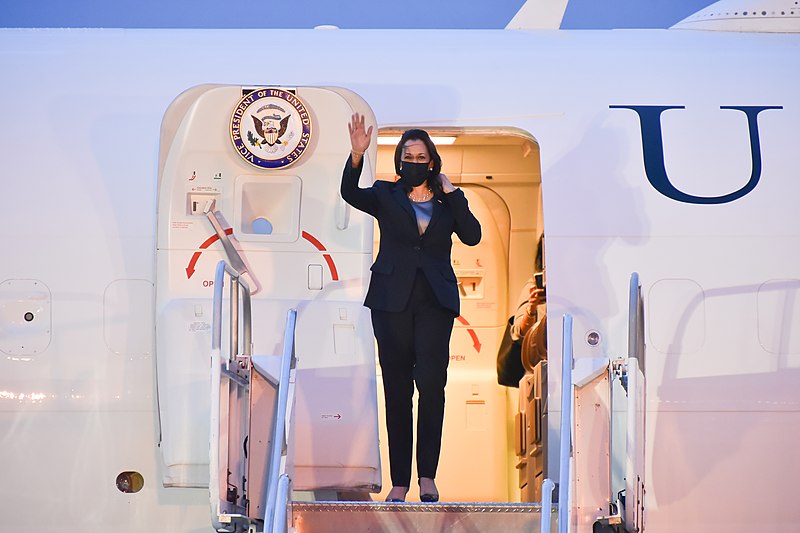
Vice President Kamala Harris wraps up her visit to Southeast Asia this week in her visits to Singapore and Vietnam. Prior to visiting Hanoi, Harris’s trip to the country was delayed out of concerns of a possible incident of the so-called Havana syndrome.
After Harris’s visit to Singapore, her trip to Vietnam was delayed by a few hours, following concerns relayed to her office by the US Embassy in Vietnam of a possible mysterious health incident. The “anomalous” health incident is a term used by the government that refers to the Havana syndrome that has affected US diplomats over the years.
“Earlier this evening, the Vice President’s traveling delegation was delayed from departing Singapore because the Vice President’s office was made aware of a report of a recent possible anomalous health incident in Hanoi, Vietnam. After careful assessment, the decision was made to continue with the Vice President’s trip,” said US Embassy Hanoi spokesperson Rachel Chen.
White House Press Secretary Jen Psaki also assured reporters during the press briefing at the time of Harris’s safety. Psaki was also pressed on whether Harris or her staff were possibly being targeted, and she said that no additional assessments were made during the time. However, Psaki confirmed that the officials that were affected by the mysterious health issue were not traveling with Harris but did not say how many officials suffered from the mysterious condition.
During Harris’s visit to Vietnam, making her the first US Vice President to visit the country, she gave the assurance that the US government will continue to work with its allies to protect the women and children that may get left behind in Afghanistan in light of the recent evacuation efforts being made.
“There’s no question that any of us who are paying attention are concerned about that issue in Afghanistan,” said the vice president regarding the protection of women and children in the war-torn country that has now surrendered to the Taliban.
Harris’s visit also comes as the Biden administration looks to restore ties with Asian countries, especially as tensions remain with China and its rising influence over the region.













