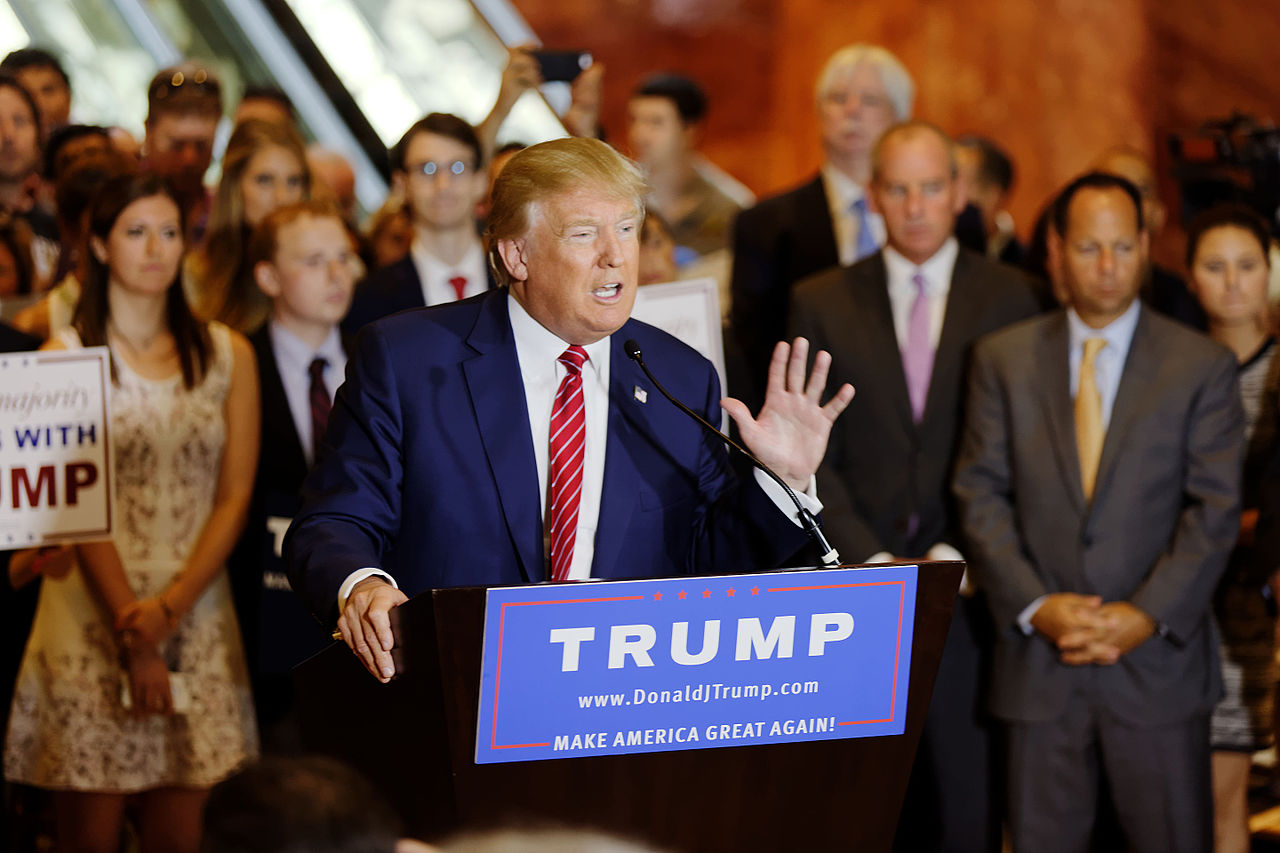
Practically every single major news organization, online publication, and newspaper entities in the U.S. predicted that Hillary Clinton would win the 2016 presidential election. None of them got it right, and their shock was apparent during the moments leading up to the pronouncement of Donald Trump’s victory. However, it turns out that there was one entity that accurately predicted the election’s outcome. It was the artificial intelligence built by a startup company in India.
While every single poll said that Clinton would clinch the presidency, the AI MogIA created by Genic.ai predicted otherwise, Futurism reports. It drew from over 20 million points for its data, condensed the information and came up with what was likely the most accurate analysis of the recently concluded election.
Some of its biggest data points included Google, Twitter, YouTube, and so many others, finally arriving at the one conclusion that everyone should have seen coming had they paid attention. Trump was going to win because the people wanted him to win.
This isn’t the first time that MogIA was able to make accurate predictions either. It also knew the results of the last three presidential elections since 2004 before they were even announced, CNBC reports, and it was only getting smarter since then.
According to its creator, Sanjiv Rai, every single time the AI made a prediction about elections, it invariably came true. This is largely because of the data it has been fed once the internet really started becoming a huge part of everyday life.
"If Trump loses, it will defy the data trend for the first time in the last 12 years since Internet engagement began in full earnest," Rai had written to CNBC before the results were called.
Considering exactly what happened, it would be safe to say that MogIA is effectively better than every single poll, every single analyst, and every single news organization that got the election results wrong. With this in mind, the possibility of AIs replacing journalists has just become much bigger.