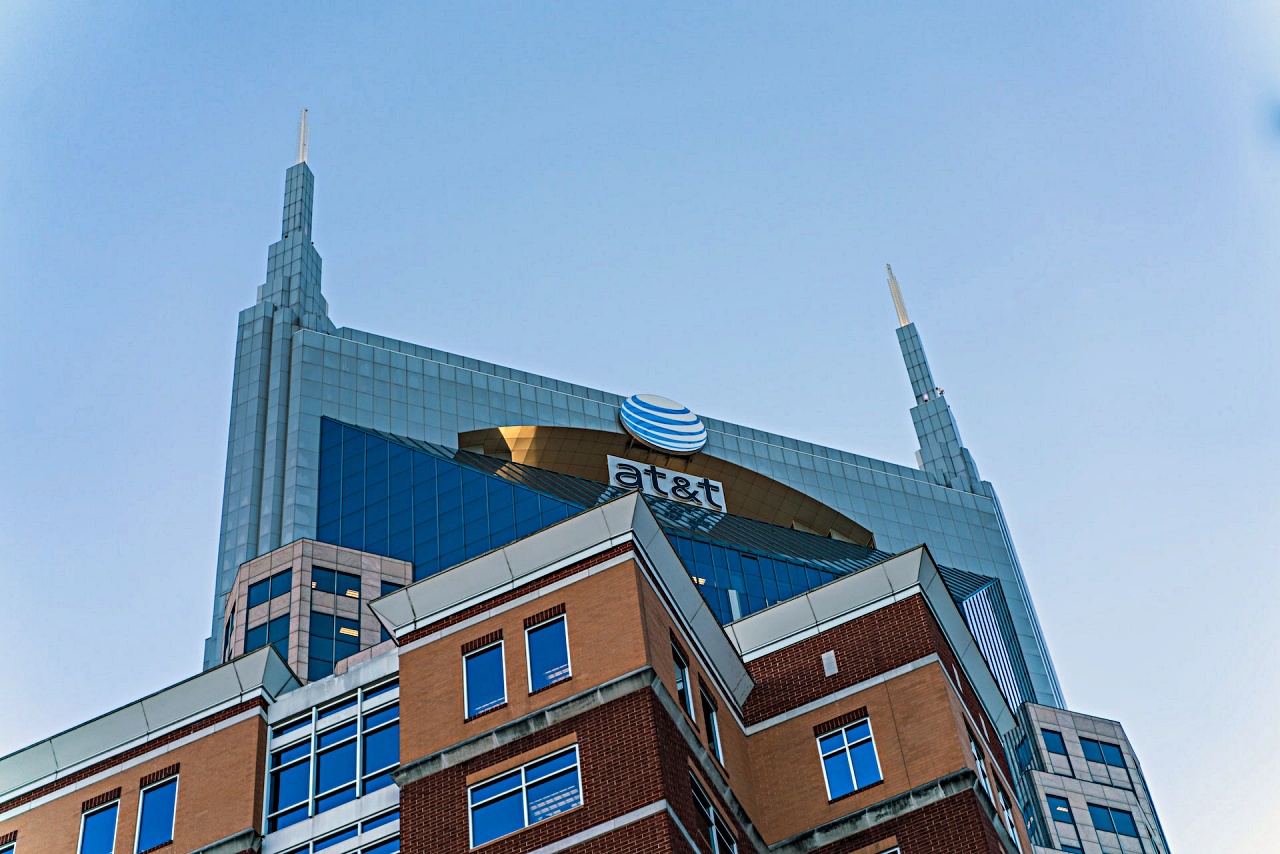
AT&T Inc. is set to pay a $6.25 million penalty to the U.S. Securities and Exchange Commission as it agreed to settle its lawsuit case over alleged selective leakage of financial information to analysts at Wall Street.
AT&T Inc. reportedly disclosed non-public information to the analysts, and according to Reuters, three company executives - Christopher Womack, Michael Black, and Kent Evans are involved in the case. The SEC said that the trio violated the Regulation Fair Disclosure (Reg FD) bill for their actions of leaking information.
In the SEC filing, it was stated that each of them also agreed to pay another $25,000 penalty without admission or denial of the allegations hurled against them. It was in March of last year when the commission filed the lawsuit after accusing AT&T and the three executives of forwarding or leaking details about its mobile phone business to 20 companies.
The securities regulator said their move is a violation of the law of fair disclosure, which the organization took on in 2000. The SEC adopted this decree to prohibit companies from discreetly releasing or revealing any non-public information to analysts or others, as this can help with leveling the playing field for investors.
Furthermore, the SEC said that AT&T's goal for the information leakage was to "manage" those analysts so they could lower their revenue forecasts. In this way, the actual results will be able to measure up to the diminished forecasts and avoid disappointing the investors who might push the company’s share price downwards.
“The goal was to induce enough analysts to lower their estimates so that the consensus revenue estimate would fall to the level that AT&T expected to report to the public—i.e., AT&T would not have a revenue miss,” part of the complaint against telecom company reads.
The company’s spokesman, Jim Greer, said through an email that AT&T is committed to complying with all the applicable laws and is well pleased to have a resolution with the SEC. A group of non-profit regulators also expressed satisfaction with the penalty against the telecom firm.
“We applaud the SEC for penalizing the company and three executives for this flagrant illegal conduct,” Bloomberg quoted the president and CEO of Better Markets, Dennis Kelleher, as saying in a statement. “But mere money penalties are too light to stop this widespread corporate practice of market manipulation by selectively disclosing material nonpublic information to handpicked firms, giving them a unique trading advantage to rip off unsuspecting investors.”
Better Markets is a DC-based nonprofit that was set up to make finance and government serve society in the right way. It also fights injustice and inequality and promotes economic security, opportunity, and prosperity for all Americans.
Photo by: Brendan Stephens/Unsplash