


 Yen Sinks as BOJ Rate Hike Fails to Impress Markets
  BOJ Raises Interest Rate to 31-Year High as Yen Weakens
  U.S. Stock Futures Fall as Iran, Oil and AI Risks Rattle Markets
  BlackRock’s Rick Rieder Favors Bonds Over Stocks as Treasury Yields Surge
  RBA Hikes Interest Rate to 4.60% as Inflation Risks Rise
  Asian Stocks Rise as Bond Yields Ease Ahead of U.S. Inflation Data
  Oil Prices Slide as Middle East Flows Recover
  Gold Prices Slip as High Treasury Yields Weigh on Bullion
  XRP Price Targets $1.70 as Bullish Momentum Builds
  Japan Factory Output Unexpectedly Falls 1.7% in August
  China Cuts Tariffs on U.S. Farm Goods but Excludes Soybeans
  Japanese Yen Retreats as Dollar Rises Ahead of Fed, BOJ Rate Decisions
  RBI Uses $10 Billion Currency Swaps to Drain Excess Rupee Liquidity
  Fed Unveils Stablecoin Rules Under GENIUS Act
  Gold Plunges 4% as Treasury Yields Surge and Fed Rate Hike Bets Rise
  U.S. Stock Futures Steady as AI, Rate Concerns Weigh


 Add as a preferred source on Google
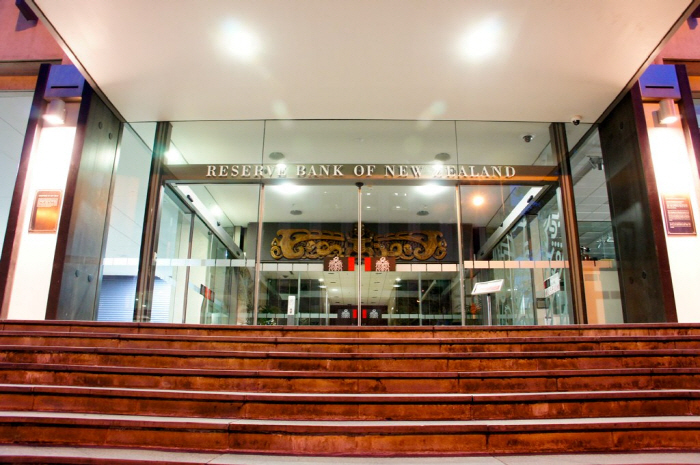
New Zealand has made history by appointing Anna Breman as the new Governor of the Reserve Bank of New Zealand (RBNZ), marking the first time a woman will lead the country’s central bank. Finance Minister Nicola Willis announced the appointment on Wednesday, highlighting Breman’s exceptional qualifications and leadership experience.
Breman, who is currently the First Deputy Governor at Sweden’s central bank, the Riksbank, will officially assume her role at the RBNZ on December 1. She was selected following an extensive global search in which over 300 potential candidates were considered. The RBNZ Board nominated her for the position, impressed by her technical expertise and broad experience in central banking.
According to Willis, Breman brings a strong combination of technical skills, strategic insight, and organizational leadership. Rodger Finlay, Deputy Chair of the RBNZ Board, welcomed the appointment, noting her depth of experience across monetary policy, financial stability, and payments systems. He also emphasized her academic background and years of service at the Riksbank’s Executive Board, which have provided her with significant international exposure.
Breman’s appointment is notable not only because she is the first woman to lead the RBNZ but also because she is the first foreign national in nearly four decades to hold the role. While rare, such appointments are not unprecedented—Canada’s Mark Carney served as Governor of the Bank of England in 2012, setting an example of international leadership in central banking.
New Zealand, known for its progressive milestones such as being the first self-governing nation to grant women the right to vote 135 years ago, has never before appointed a female governor to its central bank despite having three female prime ministers. Breman will succeed Christian Hawkesby, who has served as acting governor since April following Adrian Orr’s unexpected resignation.
Her leadership marks a significant step forward for both gender equality and international collaboration in the global financial sector.







