


 Is space worth the cost? Accounting experts say its value can’t be found in spreadsheets
  NASA Partners with Katalyst to Save Swift Observatory with Innovative Docking Mission
  NASA Artemis II: First Crewed Moon Mission Since Apollo Takes Four Astronauts on 10-Day Lunar Journey
  Trump Signs Executive Order to Boost AI Research in Childhood Cancer
  SpaceX Prioritizes Moon Mission Before Mars as Starship Development Accelerates
  Eli Lilly’s Inluriyo Gains FDA Approval for Advanced Breast Cancer Treatment
  Cogent Biosciences Soars 120% on Breakthrough Phase 3 Results for Bezuclastinib in GIST Treatment
  Blue Origin New Glenn Rocket Explodes During Launch Pad Test, Delaying Space Ambitions
  FDA Adds Fatal Risk Warning to J&J and Legend Biotech’s Carvykti Cancer Therapy
  SpaceX Delays Starship V3 Launch Ahead of Potential Record IPO


 Add as a preferred source on Google
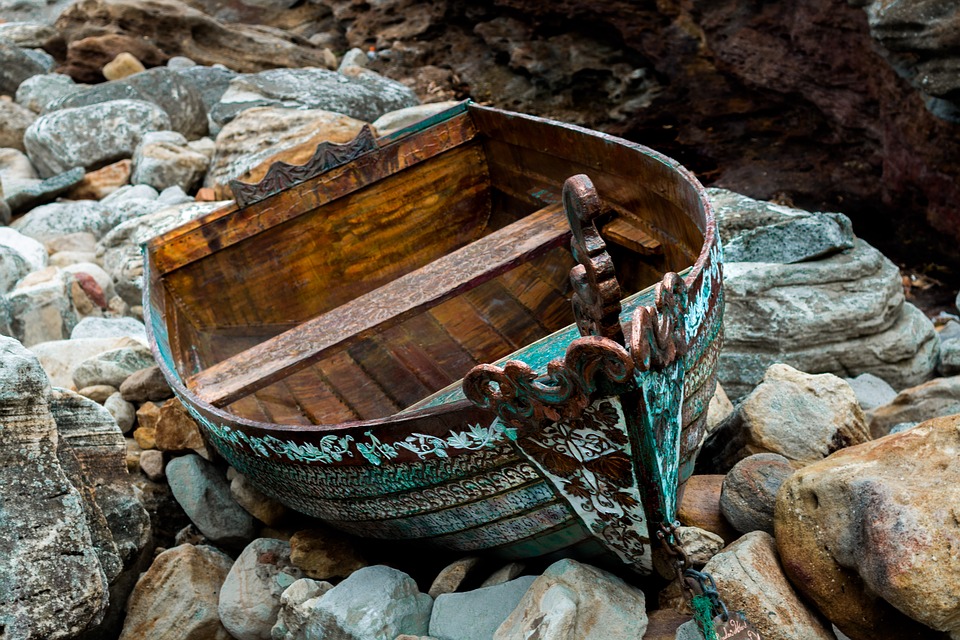
In the 1980s, a fisherman named Manuel Polanco spotted a shipwreck off the coast of Mexico. Upon further analysis, archaeologists were able to provide some possible information on the ancient wreck.
Express reports that the ship, found on the coast of Quintana Roo in the Yucatan Peninsula, was believed to be over 200 years old. Among the items found in the wreck were a 2.5 meter long cannon and pig ingots that may have been used as the ship’s ballast. According to archaeologist Laura Carrillo Marquez of Mexico’s National Archaeological Institute, many details about the ship have yet to be determined, but based on the anchor and cannon that was found, it appeared to be similar in design to the 18th-century English ships.
The wreck was found in what is locally known as “Nightmare Reef” or “Sleep-robbing reef” due to the dangers it presents to sailors that are sailing over this part of the ocean. The reef itself is large and the waters are shallow, making it an unfavorable spot for ships to sail over.
“Little by little, a sailboat from the late eighteenth and early nineteenth-century begins to reveal its history in the waters around Chinchorro Bank, in the Yucatan Peninsula. The underwater archaeologists theorize how the crew of that vessel made a last effort to avoid the catastrophic event,” said the Institute in a statement.
Archaeologists have delayed further excavations of the wreckage until the coronavirus pandemic has blown over.
Speaking of discoveries, in Egypt, archaeologists performed a scan on the Great Pyramid that led to a finding that appeared to be hiding in plain sight. In 2019, in the program Egypt’s Unexplained Files, archaeologist Glen Dash explained how the purpose of the pyramids was not just a tomb for royals in ancient Egypt, but was also a way to provide for their king’s resurrection at the time.
It was revealed that while performing a scan on the pyramid, they found a series of holes on the ground, which he believes was done by the builders. In the holes in the ground, builders placed posts in them at a certain time of year, during the autumn equinox. These posts would then cast shadows on the ground, which would be used as directional reference points in building the pyramid.







