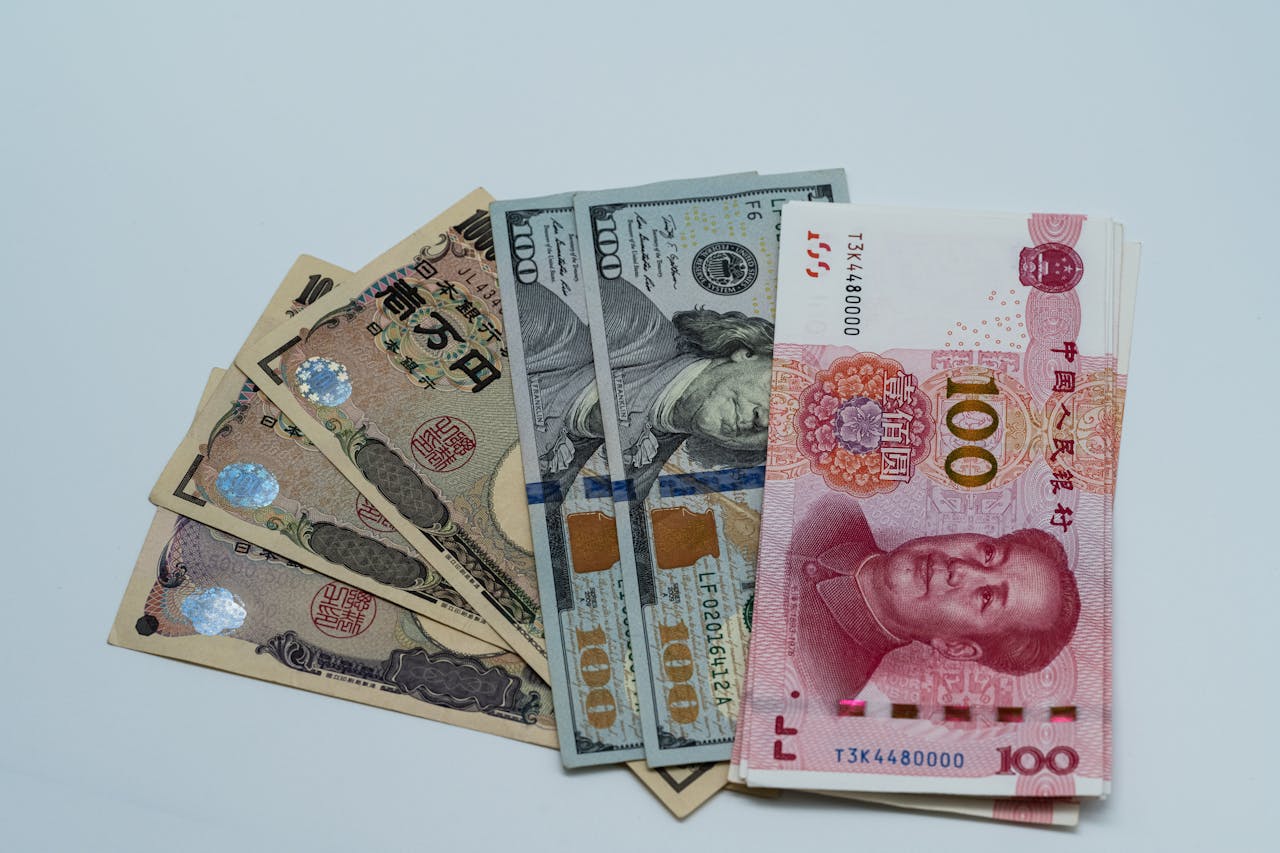
Most Asian currencies weakened on Monday as escalating U.S. action against Venezuela rattled global markets and fueled demand for the U.S. dollar as a safe-haven asset. Heightened geopolitical uncertainty weighed on investor risk appetite across the region, pushing the dollar higher and pressuring regional foreign exchange markets.
The dollar strengthened after Washington reportedly detained Venezuelan President Nicolas Maduro and transported him to the United States to face potential legal action. U.S. President Donald Trump stated that the U.S. would exert control over Venezuela until a new leader is elected, while also threatening possible action against other nations opposing U.S. policy, including Iran and Colombia. His renewed comments on a potential U.S. takeover of Greenland further added to global market unease. As a result, the dollar index and dollar index futures both rose around 0.3% during Asian trading hours, reflecting growing demand for safety amid geopolitical risk.
In Japan, the yen continued to weaken despite signals from the Bank of Japan that further interest rate hikes remain on the table. USD/JPY climbed roughly 0.2%, hovering near levels last seen in early 2025. BOJ Governor Kazuo Ueda reiterated that rate increases would continue if inflation and economic conditions align with forecasts, echoing guidance from December’s 25-basis-point rate hike. However, investors remained skeptical about the effectiveness of verbal intervention, especially as concerns grow over Japan’s fiscal constraints and limited scope for aggressive currency market intervention.
The Chinese yuan stood out as a notable exception to the broader regional weakness. The currency hovered near its strongest level in two and a half years, supported by fresh stimulus measures from Beijing aimed at boosting consumer spending. A 62.5 billion yuan subsidy program for electronics and consumer goods, along with consistently strong daily midpoint fixes from the People’s Bank of China, helped underpin the yuan. Even slightly softer services sector data failed to derail its momentum.
Elsewhere in Asia, currencies remained under pressure. The Australian dollar slipped, the South Korean won weakened notably, and the Indian rupee edged back above the 90 level against the dollar, reflecting cautious sentiment as global geopolitical risks continue to dominate currency markets.