Global markets traded cautiously on Tuesday as investors weighed the impact of U.S. tariffs and shifting Asian currency dynamics. The U.S. dollar rebounded slightly after recent losses, while fears over economic fallout from rising trade barriers remained elevated.
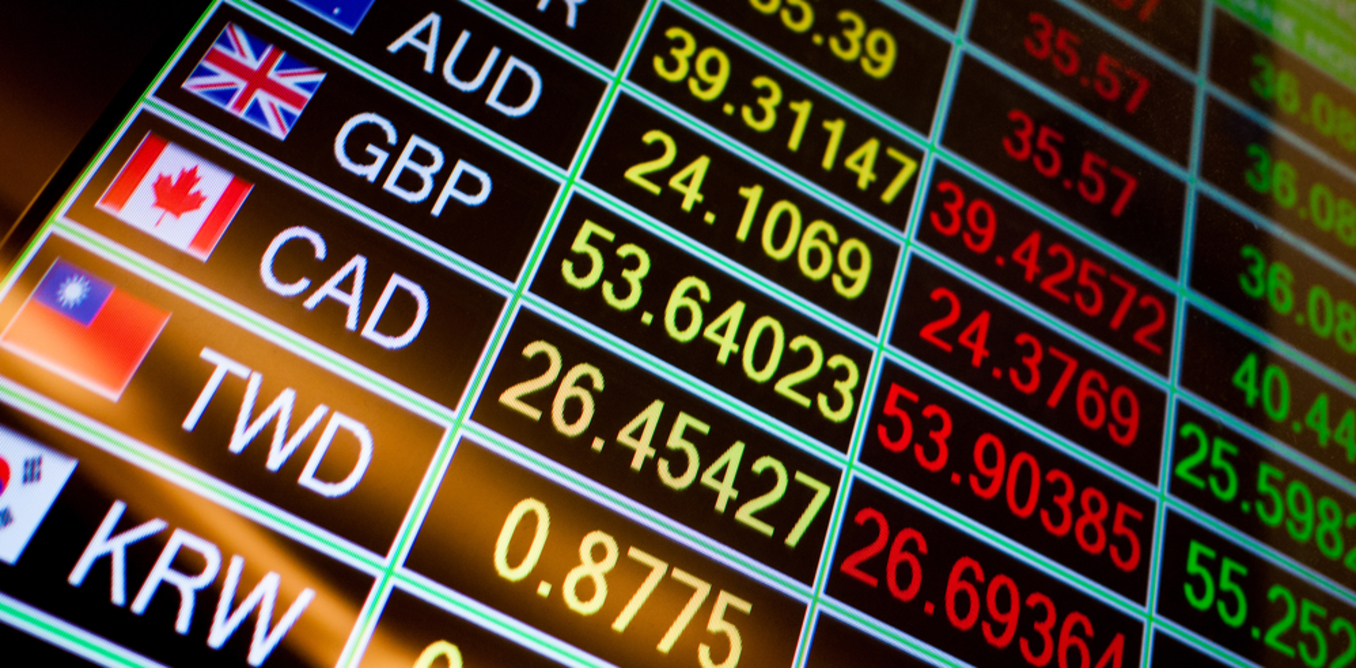
The Taiwan dollar surged nearly 8% in just two days, hitting a near three-year high, sparking speculation that Asian central banks may allow currency appreciation to ease trade tensions with Washington. The rally triggered concerns of a “reverse Asian currency crisis,” especially as institutions reevaluate unhedged U.S. Treasury exposure. Hong Kong's central bank intervened, buying $7.8 billion to maintain its currency peg, while China’s yuan climbed to 7.23 per dollar—its strongest since March.
Equities were mixed across Asia. MSCI’s Asia-Pacific index excluding Japan dipped 0.2%, Taiwan stocks fell 0.3%, and Hong Kong’s Hang Seng slipped 0.2%. Chinese blue-chips edged higher after a holiday break.
Investor sentiment remains fragile amid hopes for renewed U.S.-China trade talks. President Trump said securing a fair deal with China remains a priority, though recent moves—including a surprise 100% tariff on foreign-made films—have added confusion.
Meanwhile, oil prices steadied near four-year lows after OPEC+ pledged to boost output. Gold rose to a one-week high as investors sought safety.
All eyes are now on the U.S. Federal Reserve’s decision on Wednesday. Markets expect no rate change but seek signals on how the Fed will respond to inflation risks driven by tariffs. Analysts anticipate up to 75 basis points in rate cuts this year, with a possible move in July.
Robust U.S. services data and rising input costs signal inflationary pressure, reinforcing expectations that monetary policy will turn dovish to cushion economic shocks.