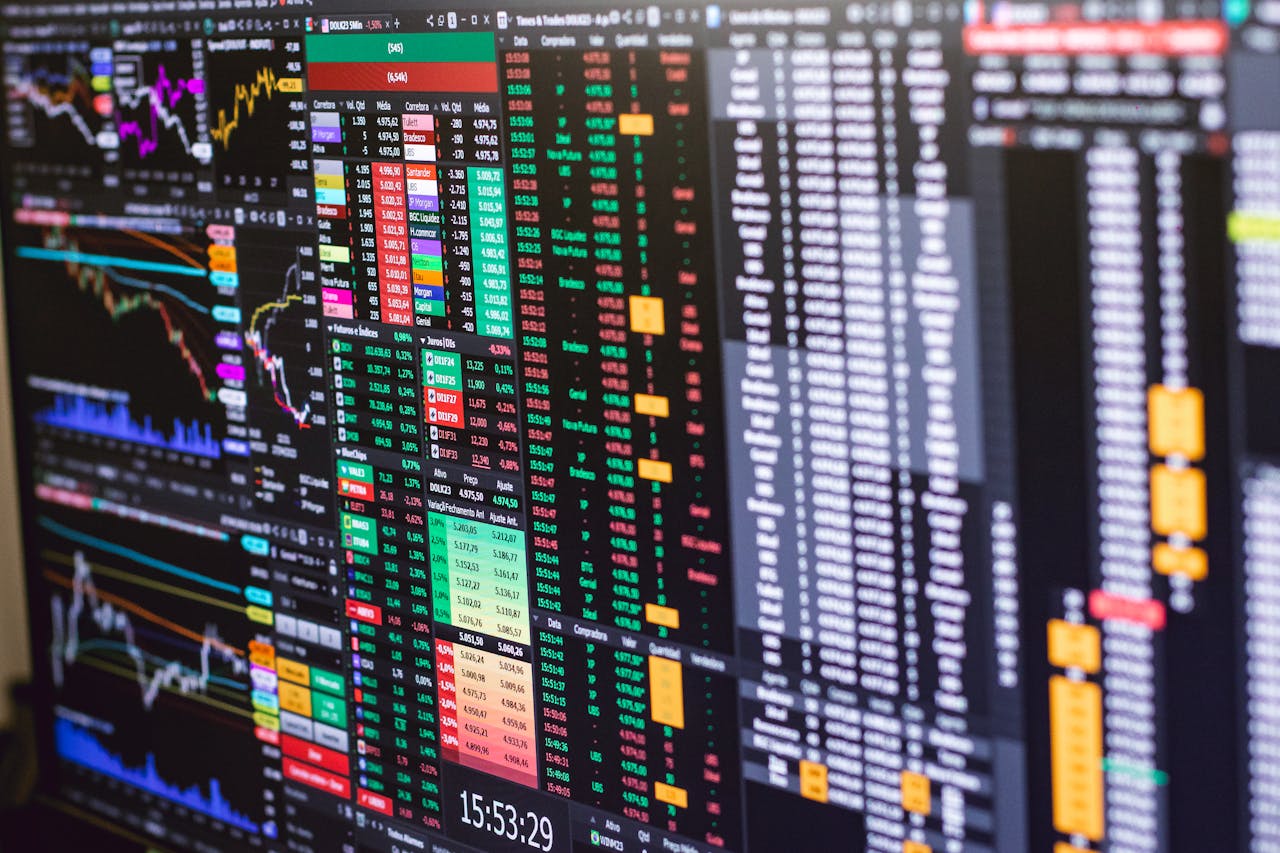
Asian stock markets hovered near four-year highs on Tuesday, supported by Wall Street’s record close, as investors awaited major corporate earnings and developments in U.S. tariff negotiations with key trade partners.
Japan’s markets reopened after a holiday, reacting modestly to weekend election results. Prime Minister Shigeru Ishiba’s ruling coalition lost ground in upper house elections, but Ishiba pledged to stay in office. The yen held steady at 147.46 per dollar after rallying 1% on Monday. Japanese equities opened higher but pared gains, while bond markets remained calm, with most of the political outcome priced in.
Commonwealth Bank economist Kristina Clifton noted that Ishiba’s weakened leadership could lead to more fiscal stimulus, potentially pressuring the yen and Japanese government bonds.
MSCI’s Asia-Pacific index excluding Japan briefly touched its highest since October 2021 and remains up 16% year-to-date. Meanwhile, the S&P 500 and Nasdaq hit new highs on Monday, driven by Alphabet and other tech giants ahead of a wave of earnings.
Investor attention remains fixed on the August 1 deadline for U.S. trade deals. Tensions with the EU are mounting, with Brussels considering retaliation. Clifton emphasized that trade agreements with Japan and the EU are pivotal, adding that the dollar could weaken further against the euro and pound depending on the deal outcomes.
The euro held firm at $1.1689, while the dollar index stood at 97.905. Concerns over the Federal Reserve’s independence persist, fueled by President Trump’s criticism and comments from Treasury Secretary Scott Bessent.
The Fed is expected to keep rates unchanged in July, but markets anticipate potential rate cuts starting in September. In commodities, oil prices slipped as fears of a U.S.-EU trade war raised demand concerns. Brent crude fell to $68.97, while WTI eased to $66.99.