Australia marked a national day of reflection on Sunday to honour the victims of a deadly gun attack that struck a Hanukkah celebration at Sydney’s Bondi Beach a week earlier, killing 15 people and injuring dozens more. The memorial came as Prime Minister Anthony Albanese announced a comprehensive review of Australia’s law enforcement and intelligence agencies amid heightened concerns over terrorism and antisemitism.
At 6:47 p.m., the exact time the attack began, Australians observed a minute of silence. Television and radio broadcasts paused, flags on government buildings flew at half-staff, and tens of thousands gathered at Bondi Beach for a large memorial under tight security. Police snipers were positioned on rooftops, patrol boats monitored nearby waters, and authorities urged calm and vigilance nationwide.
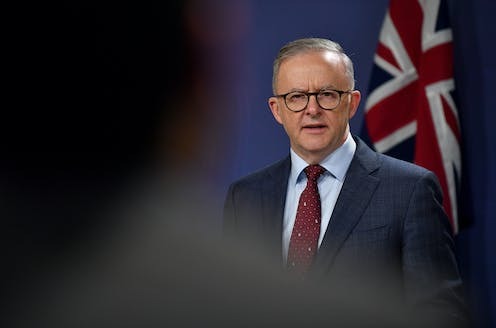
Prime Minister Albanese attended the memorial wearing a kippah but did not speak. He was met with boos from some in the crowd, reflecting criticism that his government has not done enough to counter rising antisemitism since the outbreak of the Gaza war. Leaders from across the country joined community members, victims’ families, and faith representatives to pay tribute.
David Ossip, president of the New South Wales Jewish Board of Deputies, addressed the crowd, saying the attack had shaken the nation’s sense of safety. He invoked the message of Hanukkah, emphasizing hope and resilience in the face of tragedy. The father of Ahmed al Ahmed, praised as the “Bondi Hero” for disarming one of the attackers, also shared words of solidarity with grieving families.
Authorities confirmed the shooting is being investigated as an antisemitic terrorist attack inspired by Islamic State. Investigators say the incident exposed gaps in gun licensing checks and intelligence sharing between agencies. In response, Albanese announced a nationwide gun buyback and an independent review of federal police and intelligence structures, powers, and information-sharing processes, due to conclude by the end of April.
Security has been increased across Australia following a series of antisemitic incidents, including attacks on synagogues and Jewish-owned property. New South Wales has also pledged legislation to ban the display of symbols linked to terrorist organizations. Officials say these steps are essential to protect communities and prevent further extremist violence.