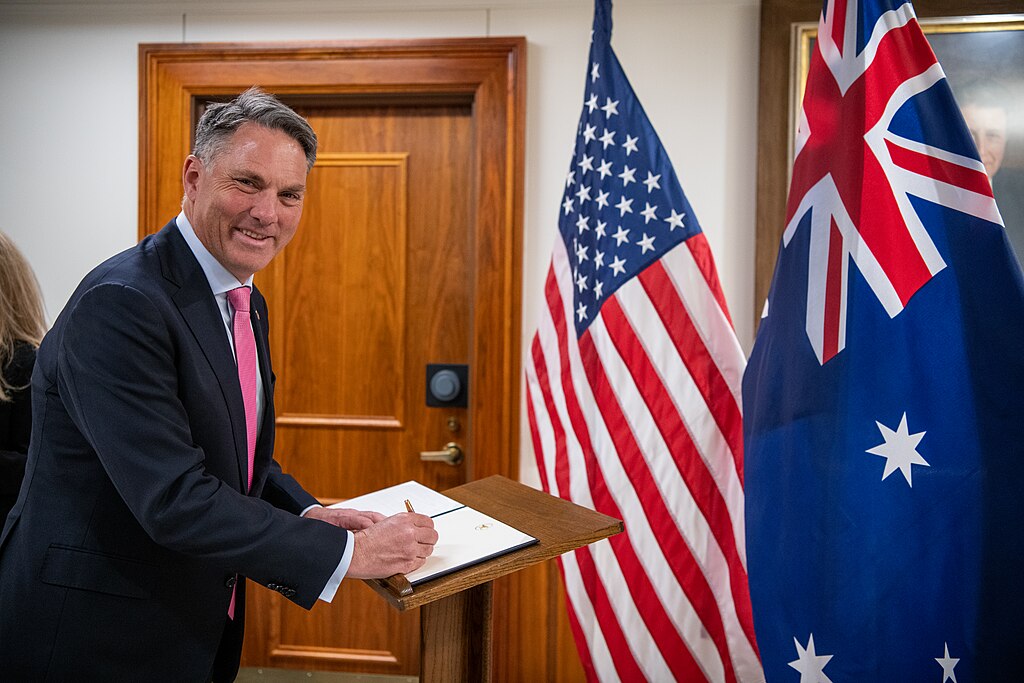
Australian Defence Minister Richard Marles has called for increased transparency from China regarding its military modernization and regional deployments. Speaking at the Shangri-La Dialogue in Singapore, Marles stressed the need for open communication, particularly amid growing concerns about China's assertive presence in the Pacific.
Marles emphasized that while Australia values its strategic relationship with China, it remains concerned about the lack of "strategic reassurance" accompanying China's military growth. He highlighted the importance of transparency in both China’s military buildup and its exercises, stating such openness is essential for a productive bilateral relationship.
Tensions rose in February when three Chinese warships conducted live-fire drills in the Tasman Sea, prompting complaints from Australia and New Zealand over the short notice and resulting disruptions, including the diversion of 49 commercial flights. Although the drills complied with international law, Marles criticized the lack of communication and their disruptive nature.
Marles noted that Australian surveillance closely monitored the Chinese task force throughout its operations, demonstrating Australia’s vigilance. “From the moment Chinese warships neared Australia, they were tailed and tracked by our assets,” he said, adding that Australia had detailed insights into the objectives and capabilities being tested by China.
Chinese officials, however, defended the exercises as routine operations in international waters. Analysts suggest such drills signal Beijing’s intent to develop a global navy capable of sustained power projection in the Indo-Pacific.
In response to China’s expanding military footprint, Australia is ramping up its defense spending—aiming to raise it from 2% to 2.4% of GDP by the early 2030s. This includes a $2 billion payment to support U.S. submarine shipyards, securing three Virginia-class nuclear-powered submarines from 2032 in the nation’s most ambitious defense project to date.