


 Gold Holds Near Seven-Week Low as Fed Rate Hike Bets Rise
  China Industrial Profit Growth Slows as Weak Demand Offsets AI Gains
  Japan Warns Markets Over Yen Weakness
  RBA Hikes Interest Rate to 4.60% as Inflation Risks Rise
  Fed Unveils Stablecoin Rules Under GENIUS Act
  Trump Eyes $54 Billion South Korean Investment in Alaska LNG
  Global Central Banks Brace for More Rate Hikes as Inflation Risks Rise
  South Korea Exports Set for 16th Monthly Gain on AI Chip Demand
  BOJ Raises Interest Rate to 31-Year High as Yen Weakens
  Japan Factory Output Unexpectedly Falls 1.7% in August
  Oil Prices Slide as Middle East Flows Recover
  RBA Says ASX Still Falls Short on Governance and Risk Controls


 Add as a preferred source on Google
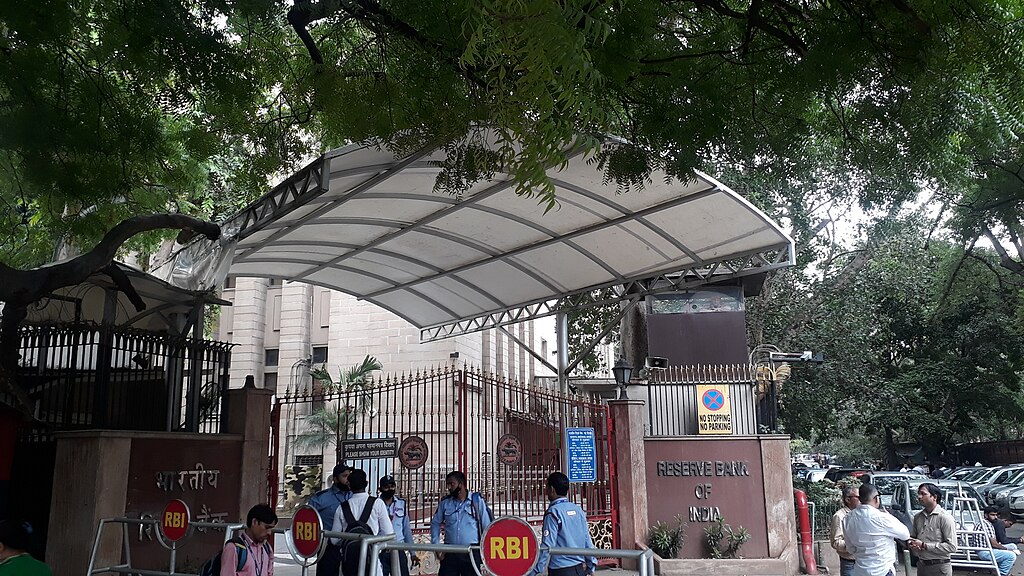
The Reserve Bank of India (RBI) delivered a widely expected 25-basis-point cut to its key repo rate on Friday, lowering it from 5.50% to 5.25% as policymakers moved to support economic growth amid easing inflation. The Monetary Policy Committee (MPC) voted unanimously for the rate reduction and maintained a neutral stance, emphasizing flexibility to respond to shifting macroeconomic conditions.
Governor Sanjay Malhotra noted that inflation has “eased significantly,” with price pressures softening across major sectors. Reflecting this trend, the RBI revised its consumer inflation forecast for FY26 down to 2%, compared with its earlier estimate of 2.6%. Malhotra described the current landscape as a “goldilocks” moment for India, marked by robust GDP growth, strong demand, and rapid disinflation—even as the rupee briefly touched new lows.
The central bank reinforced confidence in India’s economic momentum, projecting real GDP growth at 7% for Q3 FY26, 6.5% for Q4, and an upgraded 7.3% for the full fiscal year, up from 6.8%. These outlooks come on the heels of official data showing that the economy expanded 8.2% in the July–September quarter—its fastest pace in 18 months—supported by healthy consumption, strengthened manufacturing activity, and rising private investment.
Alongside the rate cut, the RBI introduced liquidity-support measures aimed at ensuring the smooth functioning of financial markets. These include up to 1 trillion rupees in open market operations and a $5 billion dollar-rupee buy-sell swap to stabilize bond markets and maintain steady credit flows.
Despite the optimistic tone, Malhotra acknowledged external uncertainties and pockets of weakness in leading indicators. The rupee traded at 90.02 against the U.S. dollar, hovering near its record low of 90.5. Even so, the MPC highlighted that sufficient policy space remains to bolster growth as economic activity continues to outperform expectations.







